
(916) 390-0025






AC Repair or Replacement? A Sacramento Homeowner’s Guide
Admin Capital City Comfort • September 18, 2026
How to Compare Repair History, Equipment Condition, Comfort, and Replacement Options
When an air conditioner needs an expensive repair, homeowners often ask whether repairing the existing system or replacing it is the better decision. There is no reliable answer based on equipment age alone. A useful recommendation starts with a diagnosis and considers the complete condition of the system.
Start with a clear diagnosis
Before comparing costs, ask what failed, why it failed, and whether another condition contributed to the problem. A failed electrical component, restricted airflow, drainage problem, refrigerant issue, or control fault can have very different implications. Replacing a part without checking the system around it can leave the underlying cause unresolved.
When AC repair may make sense
Repair may be reasonable when the problem is isolated, the equipment is otherwise in serviceable condition, replacement parts are available, and the system has not developed a pattern of breakdowns. Consider how well the system cooled the property before the current failure. If comfort, airflow, humidity control, and operating noise were acceptable, a properly diagnosed repair may restore useful service.
Questions to ask include:
- Is the failed part the main problem or a symptom of another issue?
- Are the indoor and outdoor components compatible and in similar condition?
- Has the system needed repeated repairs?
- Are there known airflow, duct, electrical, or drainage problems?
- Is the quoted repair covered by a parts or labor warranty?
When AC replacement may be worth considering
Replacement becomes worth comparing when repairs are frequent, a major component has failed, needed parts are difficult to obtain, comfort remains uneven, or the system has ongoing performance problems. Equipment age matters, but it should be considered alongside maintenance history, installation quality, system sizing, and the present condition of both the indoor and outdoor equipment.
A replacement estimate should be more than a model number and a price. The contractor should evaluate the property, discuss comfort concerns, and explain the proposed equipment and scope of work.
Look beyond the equipment box
New equipment cannot correct every comfort problem by itself. Duct restrictions, leakage, poor return-air pathways, inadequate insulation, thermostat location, or improper system sizing may affect performance. Depending on the project, a complete plan may also address electrical requirements, condensate drainage, equipment access, controls, permits, and commissioning.
Compare the full options
Ask for a written explanation of the repair and replacement choices. For a repair, understand the work being performed, the expected warranty, and any related condition that should be corrected. For replacement, compare capacity, efficiency, equipment pairing, warranties, included accessories, permit responsibilities, and the steps used to verify operation after installation.
The lowest initial price is not always the lowest total cost, and the most expensive option is not automatically the best fit. The useful comparison is between complete scopes of work that address the same needs.
Signs that deserve prompt service
Request professional help when the system blows warm air, starts and stops repeatedly, trips breakers, produces burning odors or smoke, develops ice, leaks water near the indoor equipment, or makes unusual electrical or mechanical sounds. Avoid repeated breaker resets or do-it-yourself work inside energized HVAC equipment.
Questions to ask your HVAC contractor
- What did testing show?
- What caused the failure?
- Are there other conditions affecting performance?
- What is included and excluded from each option?
- How will the proposed work address comfort and airflow?
- What warranties apply?
- What maintenance will the equipment need?
Ac repair and replacement in Sacramento
Capital City Comfort provides residential and commercial HVAC diagnosis, repair, maintenance, installation, and replacement throughout its listed service area. Review the AC Repair and AC Replacement Sacramento pages on CapitalCityComfort.com, or call (916) 390-0025 to discuss service for your address. California contractor license #1071686.
Frequently asked questions
Does an older air conditioner always need replacement?
No. Age is one factor. Diagnosis, repair history, equipment condition, comfort, efficiency, part availability, and the scope of a proposed replacement all matter.
Should I replace both indoor and outdoor equipment?
Matched equipment and system compatibility should be evaluated for the specific property. Ask the contractor to explain the proposed pairing and why it is appropriate.
Can new equipment fix uneven rooms?
It may help when the existing equipment is the cause, but uneven comfort can also involve ductwork, airflow, insulation, building exposure, or system sizing. Those conditions should be evaluated before choosing equipment.
Use a Decision Worksheet Before Choosing
Repair-versus-replacement discussions can become confusing when diagnosis, equipment features, project timing, and payment options are mixed together. Separate them into a few clear questions. First establish what is wrong. Then understand what a repair would address. Finally compare a complete replacement proposal and decide how each option fits the property and your plans.
Write down the confirmed findings
Ask the contractor to explain the evidence behind the diagnosis and distinguish confirmed findings from conditions that still need evaluation. Record the failed component or identified problem in the language used in the estimate. If you do not understand a term, ask what it means for operation and why the proposed work is appropriate.
A clear diagnosis is useful even if you ultimately replace the system. It helps explain the current interruption and prevents the replacement decision from resting only on a general statement that the equipment is old. If the issue is intermittent, ask what uncertainty remains and whether additional observation or testing would change the recommendation.
Summarize the service history
List previous repairs, approximately when they occurred, and whether the same symptoms returned. A series of invoices may represent one recurring issue or several unrelated events. Ask how the history affects the current recommendation rather than assuming that any past repair makes replacement necessary.
Also describe how the system performed before the latest failure. Was the whole home comfortable? Did one room remain warm? Was noise a concern? A repair may restore the previous level of operation, while a separate comfort issue could still need attention. Keep those goals distinct when comparing options.
Define the repair option precisely
Record what the repair includes, what it costs, and which related conditions are being addressed. Ask whether any findings remain outside that scope. Review applicable parts and labor warranty terms and any conditions that affect coverage. Keep the written explanation with the estimate.
No repair can promise an exact remaining life for every other component. Ask what is known about the system's condition and what cannot be predicted. A realistic explanation of uncertainty is more useful than a guarantee that one part replacement will make the entire system trouble-free for a fixed number of years.
Define the replacement option just as carefully
Record the proposed indoor and outdoor equipment, controls, installation work, and related modifications. Ask which existing items will remain and how compatibility has been considered. Discuss electrical requirements, drainage, duct connections, access, removal, and any applicable permit or inspection responsibilities.
Ask how the new system is intended to address the concerns you reported. If one room is uncomfortable, identify whether the proposal includes distribution or building-related work. New equipment may be part of the answer, but the estimate should not leave you guessing about whether that room is included in the project's goals.
Compare the choices against your priorities
Your priorities may include restoring cooling quickly, reducing recurring interruptions, improving a particular room, coordinating with a renovation, or managing the initial expense. Write them in order. The technical recommendation should explain the available paths; your priorities help determine which path is practical for you.
If more than one person owns or manages the property, review the same written information together. Agree on which questions remain before approving work. This is especially useful when one person meets the technician and another makes the spending decision.
Read Estimates as Complete Proposals
Check what is included and excluded
Two replacement estimates can name similar equipment while including different work. Put the scopes beside each other and mark differences in controls, duct work, electrical changes, equipment supports, access, removal, and finish repairs. Ask for clarification on missing items instead of assuming they are included.
If concealed conditions could affect the project, ask how additional work would be evaluated and approved. Keep any revised scope in writing. A clear process for changes helps you understand the commitment even when every condition cannot be known at the first visit.
Review warranty information separately
Manufacturer coverage and installation-related coverage may have different terms. Ask which documents apply, whether registration is needed, and what maintenance or other requirements affect coverage. Do not assume a broad warranty statement covers every part, labor charge, or future condition.
For the existing system, ask whether current coverage applies to the diagnosed repair and what evidence is needed to confirm that. Coverage can change the comparison, but it should be verified for the equipment and circumstances rather than treated as automatic.
Keep operating-cost estimates in context
If projected savings are presented, ask about the assumptions: utility rates, weather, equipment operation, thermostat settings, and the building's condition. Your actual usage may differ from an example calculation. A higher efficiency rating is useful information, but it is not a promise of a particular bill.
Compare the installed price and any payment agreement separately from uncertain future costs. If a rebate or other incentive is mentioned, verify current eligibility and requirements with the relevant program. Do not subtract an unconfirmed amount from the project budget as though it were guaranteed.
How Different Situations Change the Conversation
An otherwise dependable system has one diagnosed fault
Ask whether the remaining equipment appears serviceable and whether the proposed repair reasonably addresses the failure. Review parts availability, warranty terms, and any other findings. A focused repair may be worth considering, especially if the system previously met your needs and no broader issue has been identified.
Several breakdowns have interrupted cooling
Review the pattern and the cost of the current repair alongside the complete replacement scope. Ask whether the failures are related and whether any underlying condition remains. Repeated inconvenience matters to the decision, but it should be discussed with the actual history rather than a general rule about the number of repairs.
The equipment works, but comfort is uneven
Request an assessment that considers air distribution and building conditions. Describe the rooms, time of day, and any changes to the property. Replacing equipment without understanding the comfort complaint can leave an important goal unresolved. Ask which part of the proposal addresses the uneven temperatures.
A major renovation is planned
Tell the contractor what will change and when. The current repair and the future installation may serve different purposes. Ask whether the equipment decision should be coordinated with the renovation and what information is needed before final sizing or layout decisions are made.
You need a decision during a hot spell
Ask about current repair and installation availability, parts, and any conditions that affect scheduling. Avoid assuming that the fastest initial promise describes the full project. Review the essential scope and costs even when the situation feels urgent, and ask the contractor to identify the immediate decision separately from optional future work.
Make the Next Step Clear
Before authorizing work, you should be able to explain the chosen option in a few sentences: what is being done, why it addresses the concern, what it costs, what is excluded, and what happens next. If any of those points is unclear, ask for clarification. Keep the estimate and completed work record together.
For individualized help, visit AC Repair or AC Replacement Sacramento. Capital City Comfort uses flat-rate, upfront pricing with no hourly fee. Call (916) 390-0025 or request an estimate to discuss the equipment and goals for your property.

Buying a furnace filter for your Sacramento home? Learn how to check size, MERV compatibility, airflow direction, and when your filter needs replacement.
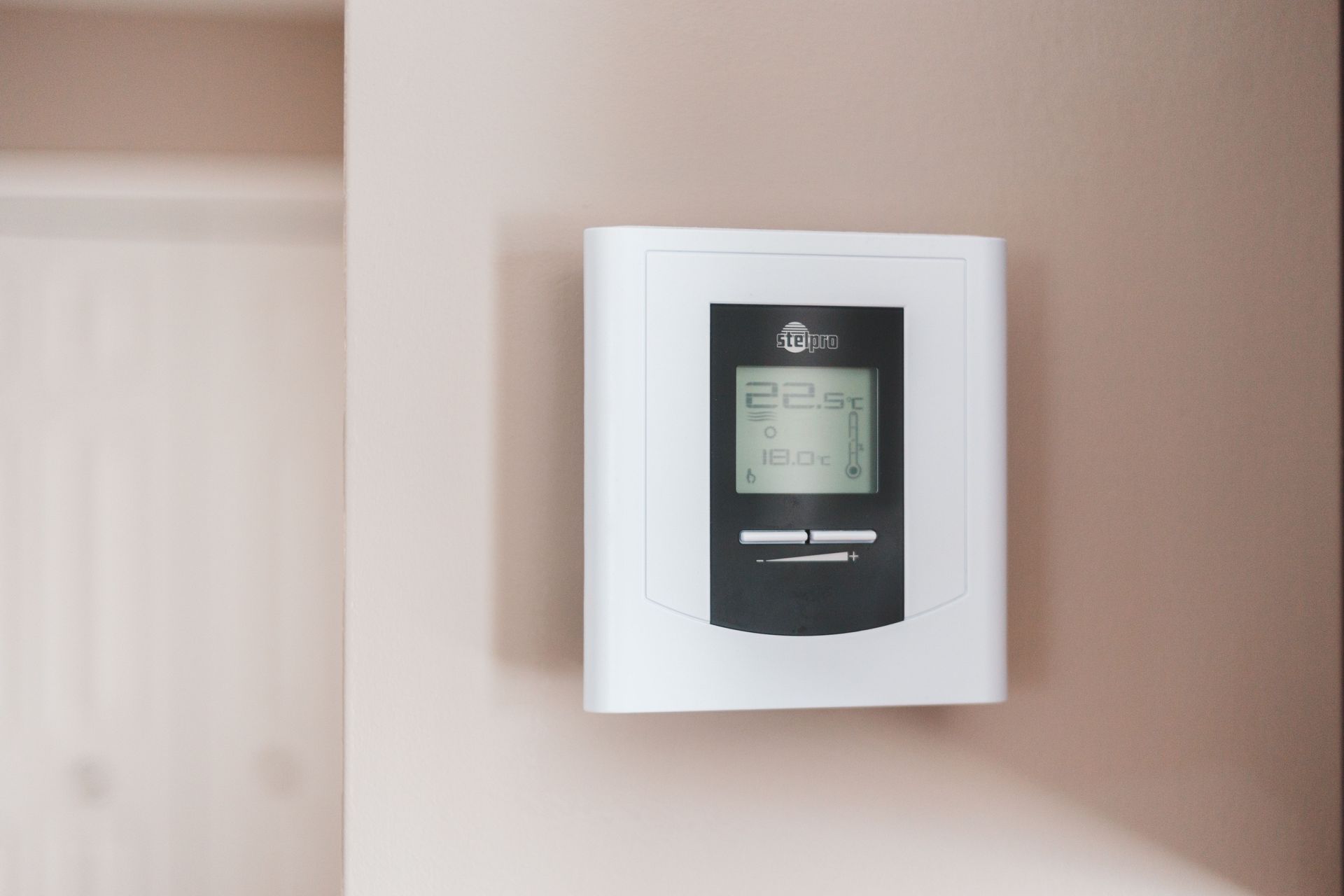
Heat in the morning, AC in the afternoon? Learn how thermostat modes, schedules, and fan settings can help Sacramento homes manage fall comfort.
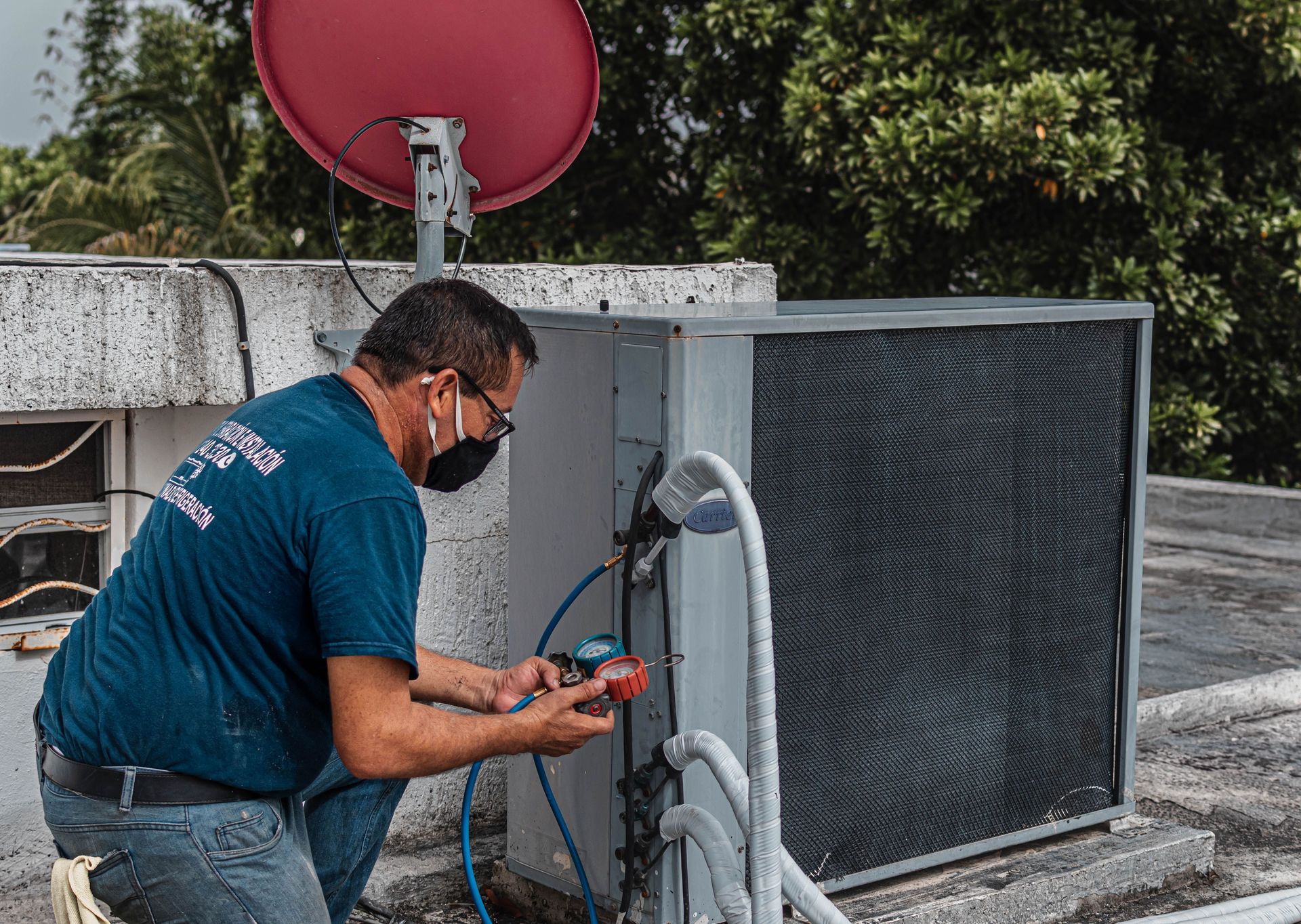
AC repair in Sacramento: learn common cooling symptoms, safe homeowner checks, what a thorough diagnosis includes, and how to weigh repair versus replacement.
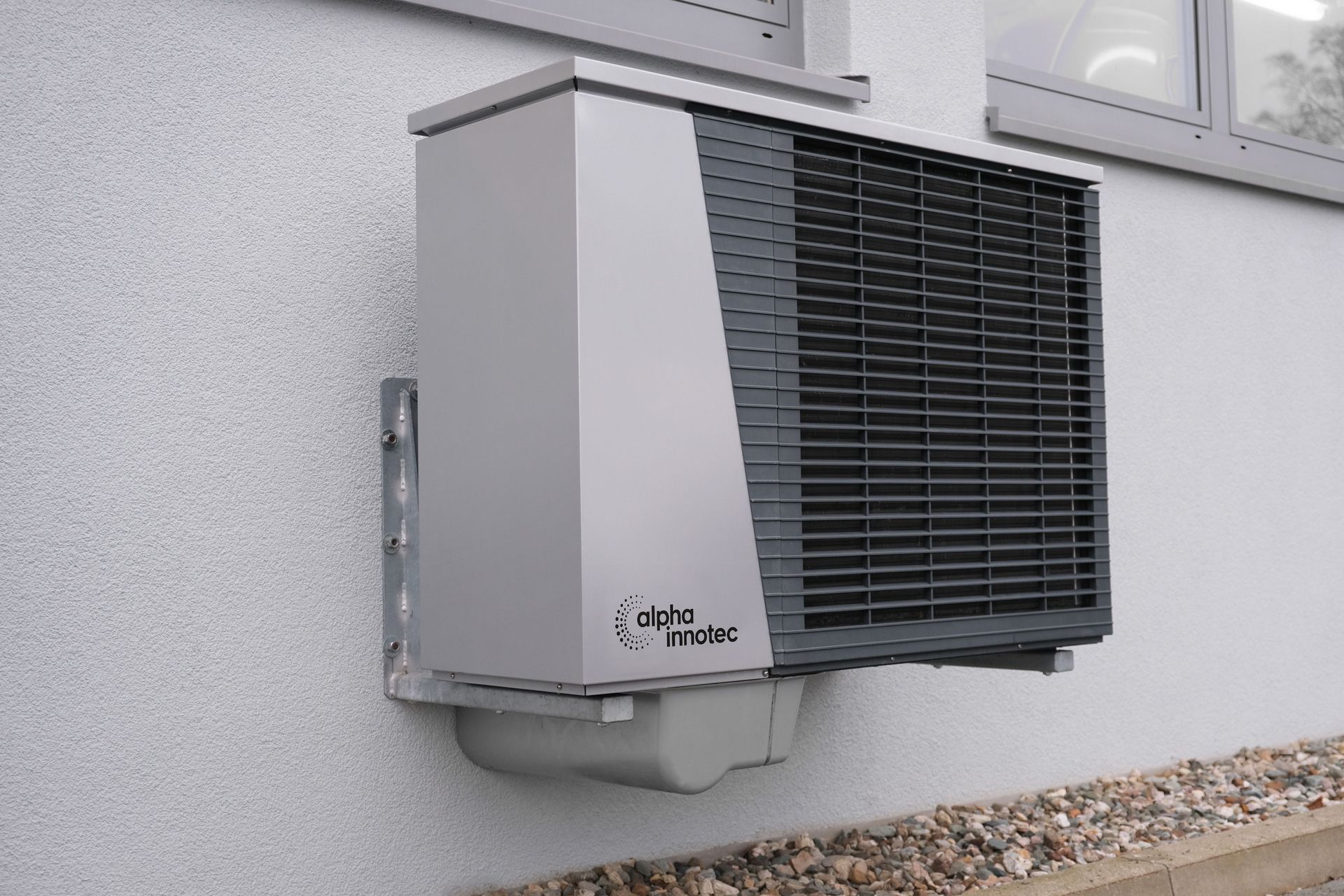
Should you cover an outdoor AC unit during Sacramento’s rainy season? Learn what to check, why heat pumps are different, and how to prevent debris problems.
One Sacramento room hotter or colder than the rest? Learn what to check, what airflow problems may mean, and when to request HVAC diagnosis.
Planning a heat pump installation in Sacramento? Ask about sizing, ducts, electrical needs, written scope, and startup testing before choosing your system.
Should you run your AC during wildfire smoke in Sacramento? Learn about compatible filters, recirculation settings, cleaner-air rooms, and when to get help.
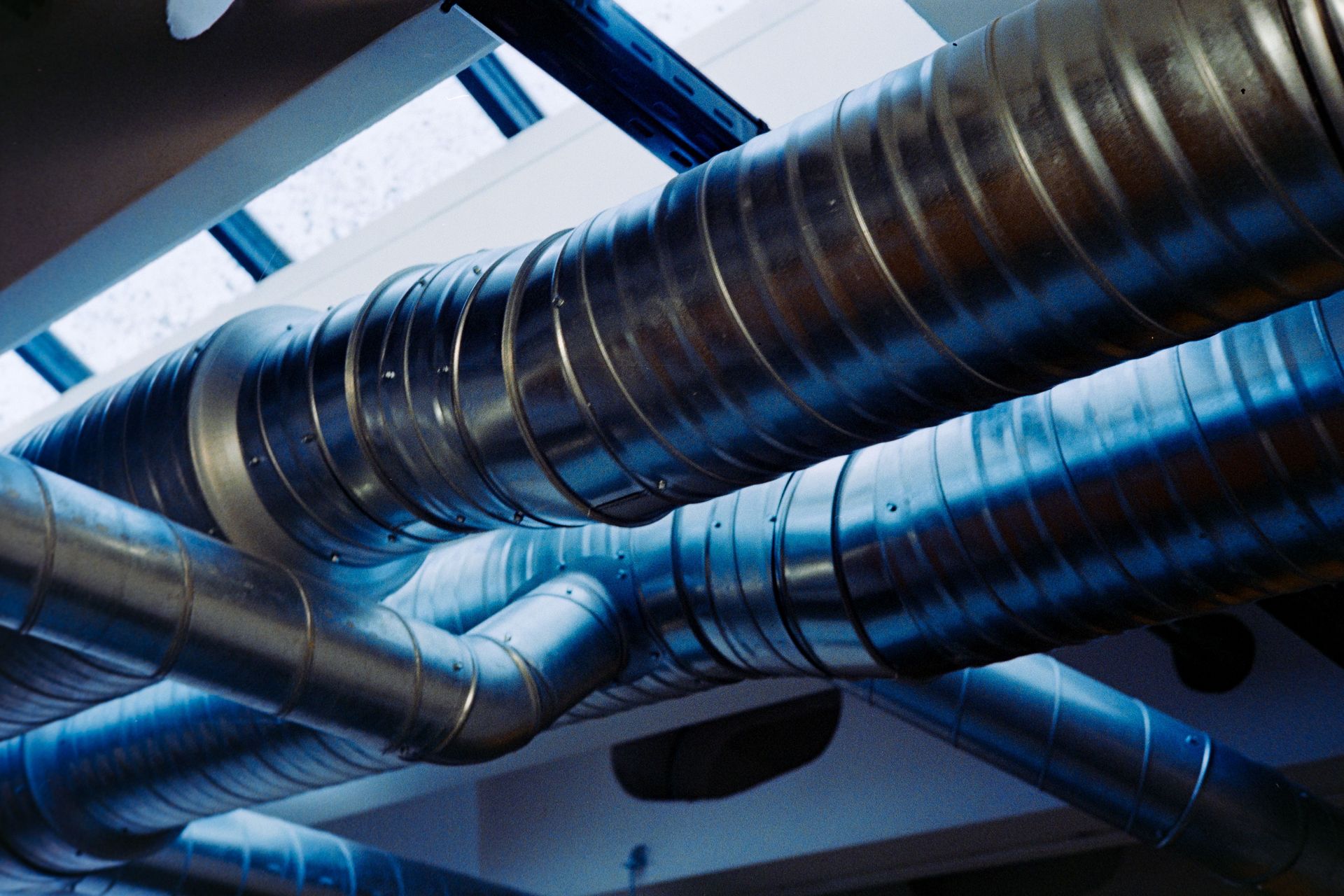
Learn when duct cleaning may be appropriate, what an inspection should cover, and how dust, airflow, pests, or moisture affect Sacramento duct systems.
Use this Sacramento furnace startup checklist to identify airflow, thermostat, noise, odor, and heating concerns before colder weather arrives.
Learn why an AC may run without cooling, which symptoms matter, and when to request professional AC repair in Sacramento.