
(916) 390-0025






Sacramento Furnace Startup Checklist Before Cold Weather
September 18, 2026
What Sacramento Property Owners Can Check Before the First Heating Call
The first cool evening is a common time to discover that a furnace is not operating as expected. A short, safe check before colder weather can help Sacramento property owners identify simple issues and describe useful symptoms when scheduling service.
1. check the thermostat
Set the thermostat to heat and choose a temperature above the current room temperature. If it uses replaceable batteries, check the display and follow the thermostat manufacturer’s battery instructions. Confirm that the fan setting is appropriate for normal operation. If the thermostat displays an error or equipment alert, write down the exact message instead of repeatedly changing settings.
2. inspect the air filter
A heavily loaded filter can restrict airflow and affect comfort. Use the filter type and size recommended for the equipment, install it in the correct airflow direction, and do not stack filters unless the system was specifically designed for that arrangement. If a new filter quickly becomes dirty, ask a technician to evaluate the return-air path and the source of the debris.
3. open and clear supply registers
Make sure supply registers and return grilles are not blocked by furniture, rugs, boxes, or curtains. Closing many registers can create airflow problems rather than improving efficiency. Note any room with unusually weak airflow, because that information can help identify a duct, balancing, blower, or equipment issue.
4. clear the area around the furnace
Keep stored materials away from the equipment and maintain safe access for service. Do not place flammable liquids or combustibles near a furnace. Outdoor vents and equipment openings should remain clear of obvious debris, but do not disassemble covers or reach into energized equipment.
5. listen to a complete heating cycle
After a call for heat, the system should proceed through its normal sequence and then shut off when the thermostat is satisfied. Watch for repeated starts and stops, delayed operation, weak airflow, unusual rattling, scraping, buzzing, or banging. Record when the sound occurs and whether heat reaches the rooms.
6. pay attention to odors
A brief dusty smell can occur when equipment is first used after sitting idle, but a persistent burning odor, smoke, melting-plastic smell, or electrical odor requires immediate attention. Turn the system off when it is safe to do so and request professional help. If you smell gas or suspect a fuel leak, leave the area and contact the gas utility or emergency services from a safe location. Do not operate switches or try to locate the leak yourself.
7. check carbon monoxide alarms
Carbon monoxide alarms are an important safety layer for properties with fuel-burning equipment. Test and maintain alarms according to the manufacturer’s instructions, replace batteries or units when required, and respond immediately to an alarm. An alarm is not a substitute for professional equipment inspection.
8. look for water or drainage concerns
Some high-efficiency furnaces and combined HVAC systems produce condensate. Water around the equipment, a backed-up drain, corrosion, or repeated safety-switch operation needs diagnosis. Addressing moisture early can help limit damage to nearby materials.
What professional heating maintenance should cover
The exact checklist depends on the equipment, but a qualified service visit may include inspection of operating controls, electrical connections, airflow, the thermostat, safety functions, venting, condensate components when present, and the heating sequence. The technician should explain observed conditions and any recommended work.
Call for furnace repair when
Request service if there is no heat, cool air continues during a heating call, airflow is weak, the furnace short-cycles, breakers trip, the system locks out, water appears near the equipment, or unusual sounds or odors persist. Avoid repeated resets because they can erase useful symptoms without correcting the cause.
Furnace service in Sacramento
Capital City Comfort provides residential and commercial heating diagnosis, repair, maintenance, installation, and replacement throughout its listed service area. Visit the Furnace Repair Sacramento, Heating Services, or Schedule Service pages on CapitalCityComfort.com. Call (916) 390-0025 to confirm service for your address. California contractor license #1071686.
Frequently asked questions
Why does my furnace blow cool air at first?
Some systems move air before full heat reaches the registers. If the air remains cool or the equipment never completes a normal heating cycle, schedule diagnosis.
Why does my furnace start and stop repeatedly?
Short cycling can involve airflow, thermostat, control, safety, venting, or equipment conditions. Testing is needed to identify the cause.
Should I wait until winter to schedule maintenance?
Scheduling before sustained cold weather can reveal operating concerns before the furnace is needed continuously, but service can be performed whenever symptoms or maintenance needs arise.
Make Your Startup Check Useful for a Service Visit
A seasonal check is most helpful when it produces a clear description of how the system behaves. You are not expected to test internal components or diagnose a failure. Keep your observations to accessible controls and occupied rooms, and stop if you encounter a safety concern. The information you collect should help a technician decide what needs evaluation.
Start with a short equipment record
Note the thermostat location, which areas the system serves, and any previous heating concern. If the home has more than one system, identify the affected area rather than assuming all equipment shares the same fault. Keep recent service paperwork available if you have it. Missing records should not delay a call for a current problem.
If equipment information is safely accessible, record it for future reference. Do not remove panels or enter an unsafe attic or crawl space to find a model number. You can describe the system as best you know it and let the service company explain what additional information will be gathered during the appointment.
Write down the sequence, not just the outcome
“The house does not get warm” is useful, but a sequence gives more detail. Note whether the thermostat displays a heating request, whether you hear the equipment start, whether air moves from the registers, and whether the system stops before the room warms. Describe only what you can observe safely.
If the problem happens intermittently, note the approximate time and whether another event occurred beforehand, such as a power interruption or thermostat adjustment. A pattern may help guide the evaluation. It does not establish the cause by itself, and you do not need to reproduce a fault repeatedly for the technician.
Identify where comfort differs
List rooms that remain cool and whether the difference has existed for a long time or appeared recently. Note any remodeling, furniture changes, or change in room use. A space that is now occupied all day may reveal a concern that was less noticeable when it was rarely used.
Ask whether the heating equipment, air distribution, or building conditions should be evaluated. A larger furnace is not automatically the answer to one cold room. The purpose of the service discussion is to understand which part of the system or property needs attention before choosing a remedy.
Record thermostat questions
If the thermostat schedule is confusing, write down what you want the system to do and what it currently does. Mention whether settings seem to change automatically or whether someone else manages the controls. Keep the operating manual available if you have it, particularly for a recently installed thermostat.
Ask for an explanation of the settings relevant to your equipment. A neighbor's controls may behave differently, even if the screens look similar. Avoid changing installer settings or opening wiring compartments to experiment. A clear description of the schedule concern gives the service company a better starting point.
Describe sounds accurately
Tell the technician when a sound occurs: at startup, while air is moving, just before shutdown, or after the cycle ends. Describe whether it is new, louder than before, or accompanied by a change in heating. If a safe recording is available, ask whether it would be useful to share.
A sound description is a clue rather than a diagnosis. Several components can produce similar noises, and duct or building movement may be different from an equipment fault. Avoid naming a failed part unless it has already been professionally identified. Report the observation and let the assessment establish the cause.
Keep safety concerns separate from routine scheduling
Do not treat a suspected fuel leak, smoke, or a carbon monoxide alarm as an ordinary maintenance question. Leave the area and contact the appropriate emergency services from a safe location when there is a suspected gas leak or an alarm. Follow emergency instructions rather than continuing the checklist. See PG&E's gas-safety guidance.
For non-emergency operating concerns, describe the symptoms when calling and ask about the appropriate service. Repeated shutdowns, unusual noises, or water around equipment should be reported rather than hidden by repeated resets. If you are unsure how to operate the equipment safely, ask for help before making changes.
Choose the Right Type of Appointment
Seasonal maintenance
If the furnace is operating normally and you want its condition reviewed, discuss a maintenance visit. Ask which checks and tasks are included for your equipment and how findings will be explained. A maintenance appointment can identify concerns, but it is not a guarantee against every future component failure.
Tell the company about any previous symptom even if it is not occurring now. A visit described only as routine maintenance may be planned differently from one involving an intermittent operating fault. Clear booking information helps set the scope and expectations.
Diagnostic repair service
If there is no heat, repeated stopping, persistent cool air, or another active concern, explain that when requesting service. Diagnosis is intended to identify the cause and the appropriate work. The technician may need to evaluate controls, airflow, equipment operation, or other components depending on the symptoms.
Ask what the proposed repair addresses and whether other concerns remain. A repair may restore a specific function without resolving an unrelated room-comfort issue. Keep the work description so future decisions can use the actual service history.
Replacement consultation
If repairs have become frequent or a major issue is found, ask whether it is useful to compare replacement. The comparison should include the condition of the remaining equipment, available parts, applicable warranty terms, and the full installed scope. Age alone does not decide the question.
Tell the contractor about future renovations, changes in building use, or plans to remain at the property. Those factors can affect timing and priorities. Ask which existing components could remain, what changes would be required, and how the proposal addresses the comfort concerns you reported.
Prepare the Property for the Technician
Clear a practical path to the thermostat and equipment, secure pets, and mention locked gates or access restrictions. Do not move hazardous materials or enter unsafe areas as part of preparation. Tell the company about anything that could affect access so it can advise on the appropriate arrangement.
For a rental property, business, or shared building, identify the site contact and the person who can authorize work. Gather occupant descriptions if the concern varies by area or time. Confirm how the technician should communicate findings if the decision-maker will not be present.
Have your questions ready. Useful topics include the diagnosed cause, the recommended scope, the cost, any additional findings, and the next care step. Capital City Comfort uses flat-rate, upfront pricing with no hourly fee, so you can review the proposal before deciding whether to proceed.
After the Visit: Keep the Record Simple
What was completed?
Retain the service description and note any parts or adjustments identified in the paperwork. If something could not be evaluated, ask why and whether a follow-up is recommended. Clear records help distinguish completed work from an unresolved question.
What should normal operation look like?
Ask the technician to explain the expected behavior for your equipment and controls. Keep the instructions with the thermostat manual. If operation changes later, record the new symptoms and timing rather than assuming the previous fault has returned.
What care is appropriate between visits?
Follow the manufacturer's filter and maintenance instructions, keep air grilles accessible, and maintain the agreed access around equipment. Ask about any task you do not understand. Routine care does not include bypassing controls, opening energized equipment, or attempting fuel-related repairs.
Where can I learn more about repair decisions?
Our Furnace Repair Sacramento page explains the problems we diagnose, how property conditions affect heating, and what to consider when comparing repair and replacement. For service, call (916) 390-0025 or use Schedule Service.

Buying a furnace filter for your Sacramento home? Learn how to check size, MERV compatibility, airflow direction, and when your filter needs replacement.
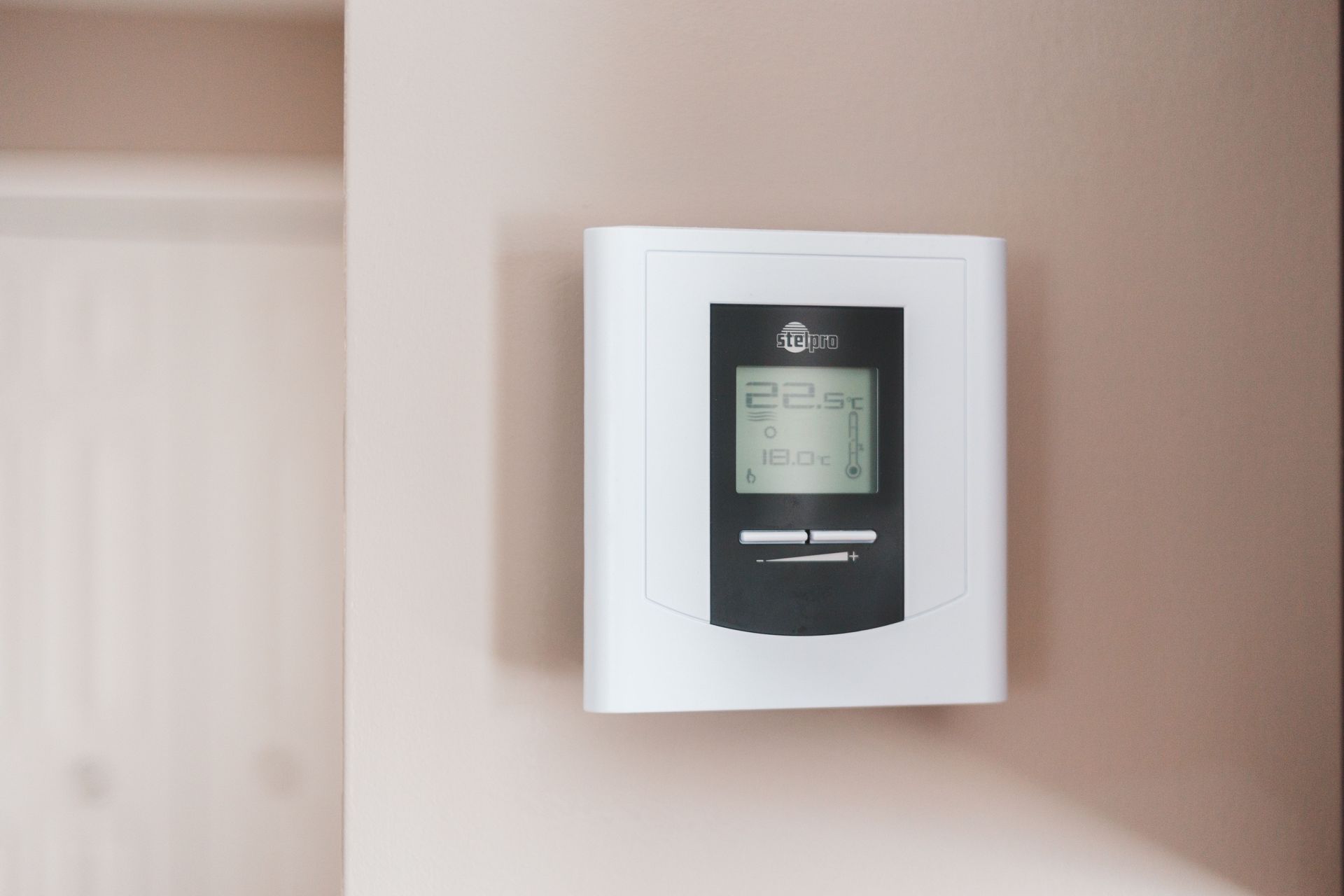
Heat in the morning, AC in the afternoon? Learn how thermostat modes, schedules, and fan settings can help Sacramento homes manage fall comfort.
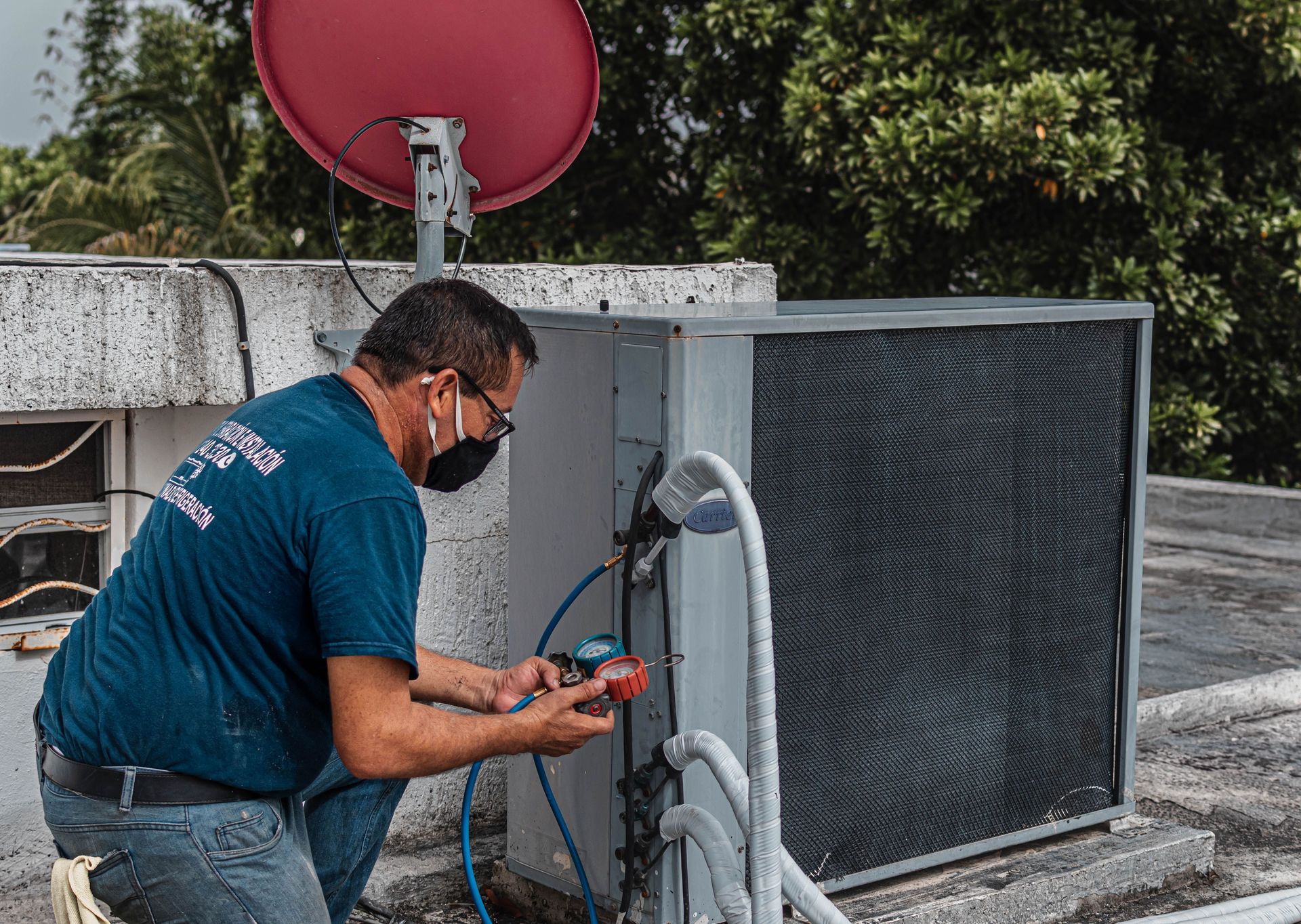
AC repair in Sacramento: learn common cooling symptoms, safe homeowner checks, what a thorough diagnosis includes, and how to weigh repair versus replacement.
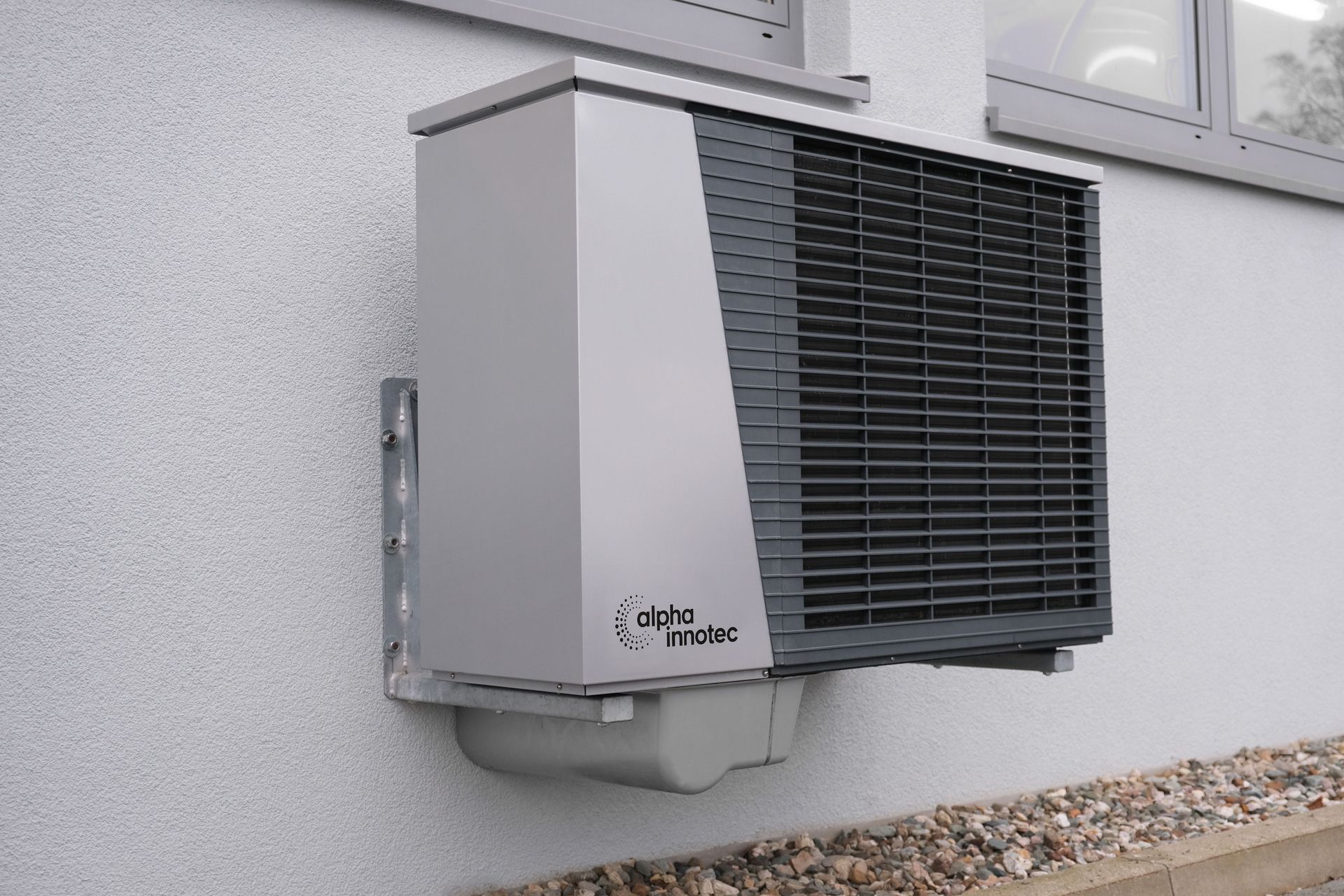
Should you cover an outdoor AC unit during Sacramento’s rainy season? Learn what to check, why heat pumps are different, and how to prevent debris problems.
One Sacramento room hotter or colder than the rest? Learn what to check, what airflow problems may mean, and when to request HVAC diagnosis.
Planning a heat pump installation in Sacramento? Ask about sizing, ducts, electrical needs, written scope, and startup testing before choosing your system.
Should you run your AC during wildfire smoke in Sacramento? Learn about compatible filters, recirculation settings, cleaner-air rooms, and when to get help.
Learn when duct cleaning may be appropriate, what an inspection should cover, and how dust, airflow, pests, or moisture affect Sacramento duct systems.
Compare AC repair and replacement factors for Sacramento homes, including diagnosis, repair history, comfort, sizing, and equipment condition.
Learn why an AC may run without cooling, which symptoms matter, and when to request professional AC repair in Sacramento.