
(916) 390-0025





Should You Run Your AC During Wildfire Smoke in Sacramento?
September 18, 2026
When smoke reaches the Sacramento region, shutting off the air conditioner is not automatically the right answer. Keeping the house cool matters, too. The useful question is whether your system can cool and filter indoor air while limiting smoke coming in from outside.
This is a preparation guide for Sacramento-area households—not a current air-quality alert. Check your address on AirNow and follow local emergency instructions before deciding what to do.
Start with your system’s air settings
EPA recommends keeping windows and doors closed during smoke events while maintaining a safe indoor temperature. For central HVAC with a controllable outdoor-air intake, follow the manufacturer’s instructions for recirculation or temporarily closing that intake. If you cannot identify the control, ask for help rather than guessing. Never obstruct a combustion-air opening or appliance exhaust.
EPA also recommends running the central fan in its “On” setting during smoke events when using an appropriate high-efficiency filter. That setting circulates air through the filter between cooling cycles; it does not mean lowering the temperature setting. See EPA’s wildfire and indoor-air guidance.
Choose a filter your HVAC system can handle
EPA recommends MERV 13 or higher for smoke filtration, with a professional determining what your system can accommodate. Compatibility and fit matter: do not assume the highest-rated filter will work in every system. Inspect it frequently during smoke and replace it when dirty. Ask an HVAC professional if you are unsure about allowable filtration or airflow. See EPA’s smoke-preparation guidance.
Before calling, write down the filter’s printed size and rating, the thermostat model, and where the filter is located. A photo of an accessible label can make the conversation more useful; there is no need to open equipment cabinets.
Prepare one cleaner-air room
A room where your household can spend time together gives you another option. EPA recommends a correctly sized portable air cleaner that does not generate ozone. Keep that room’s windows and doors closed, run the cleaner as directed, and avoid indoor particle sources such as candles, smoking, and frying food.
Do not let a closed-up home become dangerously hot. If you cannot keep cool, power fails, or smoke remains excessive indoors, seek a safer location. A cleaner-air room is not a substitute for an evacuation order. See EPA’s clean-room guidance.
Questions to keep beside your thermostat
Prepare a short household note before smoky conditions arrive:
- What filter size and rating has been approved for this system?
- Is there an outdoor-air control, and who has shown us how to use it?
- Where are the operating instructions and replacement filters?
- Where could we go if the house cannot stay cool?
For a Sacramento, Elk Grove, or Folsom home, the answers should describe the equipment at that address—not a generic setting copied from a neighbor’s thermostat.
Frequently asked questions
Does turning the thermostat lower remove more smoke?
A lower temperature target is not a substitute for filtration. EPA’s smoke guidance focuses on limiting outdoor smoke entry and filtering indoor air, including using the appropriate fan setting. Read the guidance.
Can a portable cleaner replace an evacuation plan?
No. A cleaner-air room is a way to reduce exposure while sheltering indoors, not permission to stay when authorities direct you to leave. EPA clean-room guidance.
What should I tell the HVAC company?
Give your service address, equipment type if known, filter information, and the concern: an unfamiliar ventilation control, filter-fit question, or difficulty keeping the house comfortable. Mention what you have already changed so the technician has a clear starting point.
Ask about your home’s HVAC setup
Capital City Comfort provides residential and commercial HVAC repair, maintenance, installation, and replacement throughout Sacramento and surrounding communities and is open 24/7. Call (916) 390-0025 or request service to discuss your equipment and confirm availability for your address. Availability varies by equipment, project, and scheduling.
Prepare a Household Plan Before Smoke Arrives
Most HVAC questions are easier to resolve before an active smoke event. Use a clear-weather day to identify your equipment, find its instructions, and discuss any unfamiliar controls with a qualified professional. The goal is a plan that another person in the household can understand, not a collection of settings copied from a different home.
Keep emergency instructions separate from equipment instructions. Air-quality information, evacuation orders, and public-health advice can change during an event. This article explains preparation questions; it does not establish whether your address is safe at a particular moment. Use AirNow and your local emergency authorities for current conditions and directions.
Make an equipment information sheet
Record the type of cooling system, thermostat model if known, filter location, and filter information that has been confirmed suitable for the equipment. Add the location of the operating manual and the contact number for service. If the home has more than one system, identify which rooms each one serves.
Photographs of accessible labels can help you keep the information organized. There is no need to open equipment cabinets or enter a difficult access area. If you cannot identify a component, write down the question and ask during a service visit. A clear “unknown” is more useful than an incorrect assumption.
Ask about ventilation controls specifically
A thermostat may control temperature and fan operation without showing every ventilation function in the building. Tell the professional about any separate wall controls, ventilation equipment, or recent upgrades. Ask which instructions apply to your installed configuration and which controls should be left alone.
Have the explanation written in plain language and identify the control by location. If a temporary setting is appropriate, ask how and when normal operation should be restored. Do not block openings or change unfamiliar equipment based only on appearance. Combustion-air and exhaust requirements are separate from ordinary room-air preferences.
Plan for filter questions in advance
Keep the approved filter details with your equipment record rather than relying on memory at the store. Ask how to check the filter safely, how to recognize that it needs attention, and what to do if the correct replacement is unavailable. Different filter products with similar dimensions may have different airflow characteristics.
If a previous filter change was followed by weaker airflow, noise, or operating problems, tell the technician. The timing does not prove the filter caused the issue, but it is useful background. Do not stack filters or improvise an installation without guidance for the particular system. For technical filtration recommendations, review EPA's wildfire and indoor-air guidance.
Separate cooling concerns from smoke concerns
A system that cannot maintain a comfortable temperature needs its own evaluation. Describe whether it was struggling before the smoke event, whether air is moving normally, and whether the problem affects all rooms. Mention anything you changed, including the thermostat schedule or filter, so the service conversation has a clear sequence.
An HVAC repair can address an equipment problem, but it does not establish the safety of outdoor conditions or replace an evacuation instruction. Likewise, a working air conditioner does not prove that every indoor-air concern has been resolved. Treat equipment operation and emergency decisions as related but distinct questions.
Decide who handles each task
In a shared household, identify who checks official updates, who knows the equipment settings, and who can arrange service. Make the instructions accessible to everyone who may need them. If a family member is away, another person should be able to find the service number and understand which changes have already been made.
For rental properties, clarify the landlord or property-manager contact and how to report a problem. Describe the issue and request equipment-specific guidance through the appropriate channel. Keep a record of the response and any agreed service arrangement so information is not lost between occupants and management.
Think through an alternative location
Before an event, discuss where the household could go if the home cannot remain cool or conditions become unsuitable. Consider transportation, pets, essential items, and how household members will communicate. Follow official instructions about available public facilities and evacuation routes; availability can change.
A plan is useful only if it can be acted on. Keep contact information current and avoid assuming that a location used during a previous event will be available again. If you have health-related questions about smoke exposure, discuss a personal plan with a healthcare professional. HVAC guidance cannot determine an individual's medical needs.
Keep a simple change log
If you adjust a setting under appropriate guidance, record what changed and when. If you replace a filter, note the product and date. If the system starts behaving differently, write down the symptoms rather than trying several additional changes at once. This record can make a later service call easier to understand.
Useful observations include reduced airflow, a room that becomes unusually warm, a new sound, or equipment that stops unexpectedly. Avoid diagnosing the cause from one observation. Tell the technician what happened first, what changed next, and whether normal operation returned.
Review the plan after conditions improve
Once current official guidance permits normal activities, review the equipment instructions and any temporary changes made during the event. Ask a professional about settings you are unsure how to restore. Check the manufacturer's care guidance and discuss any persistent performance concern.
Use the experience to improve the plan: Was the right filter information available? Could everyone find the instructions? Was the service contact clear? Did a room remain difficult to cool? Resolve those questions before the next event rather than assuming the same workaround should be repeated indefinitely.
Questions for Your Next HVAC Visit
Can you show me the controls that apply to this system?
Ask for a walkthrough of the installed equipment and any separate ventilation controls. Have the explanation tied to the actual model and configuration. If a feature is not present, record that too. This avoids trying to follow instructions intended for a system your property does not have.
Is the filter I am using appropriate?
Provide the printed filter information and describe how it fits. Ask whether the system's airflow and filter arrangement need evaluation before making a change. A rating alone does not answer every compatibility question, and a product that works in one building may not be the right choice in another.
What should I report if the home is difficult to cool?
Describe the time of day, affected rooms, thermostat setting, airflow, and any recent changes. Tell the company whether the issue began before or during the smoke event. That history helps distinguish an existing cooling concern from a new operating problem that needs attention.
Where should I keep the instructions?
Choose a location that household members can find easily, such as a shared digital folder and a short printed note near the equipment information. Include the service number, manual location, and the date the instructions were reviewed. Update the note when equipment or controls change.
Capital City Comfort can help you understand your HVAC setup and discuss repair or maintenance needs. Call (916) 390-0025 or request service with your address, equipment information if known, and the specific question you want answered.

Buying a furnace filter for your Sacramento home? Learn how to check size, MERV compatibility, airflow direction, and when your filter needs replacement.
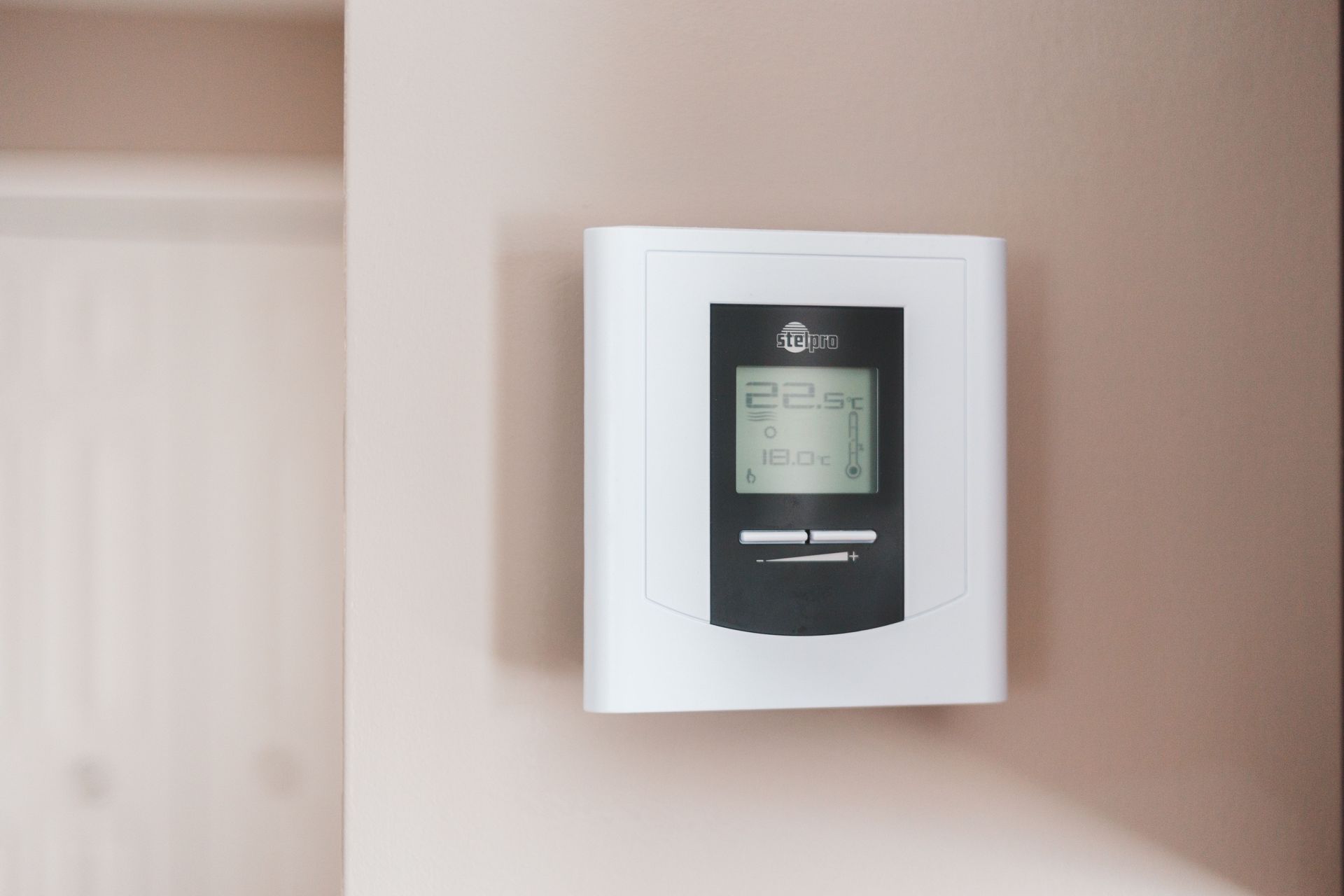
Heat in the morning, AC in the afternoon? Learn how thermostat modes, schedules, and fan settings can help Sacramento homes manage fall comfort.
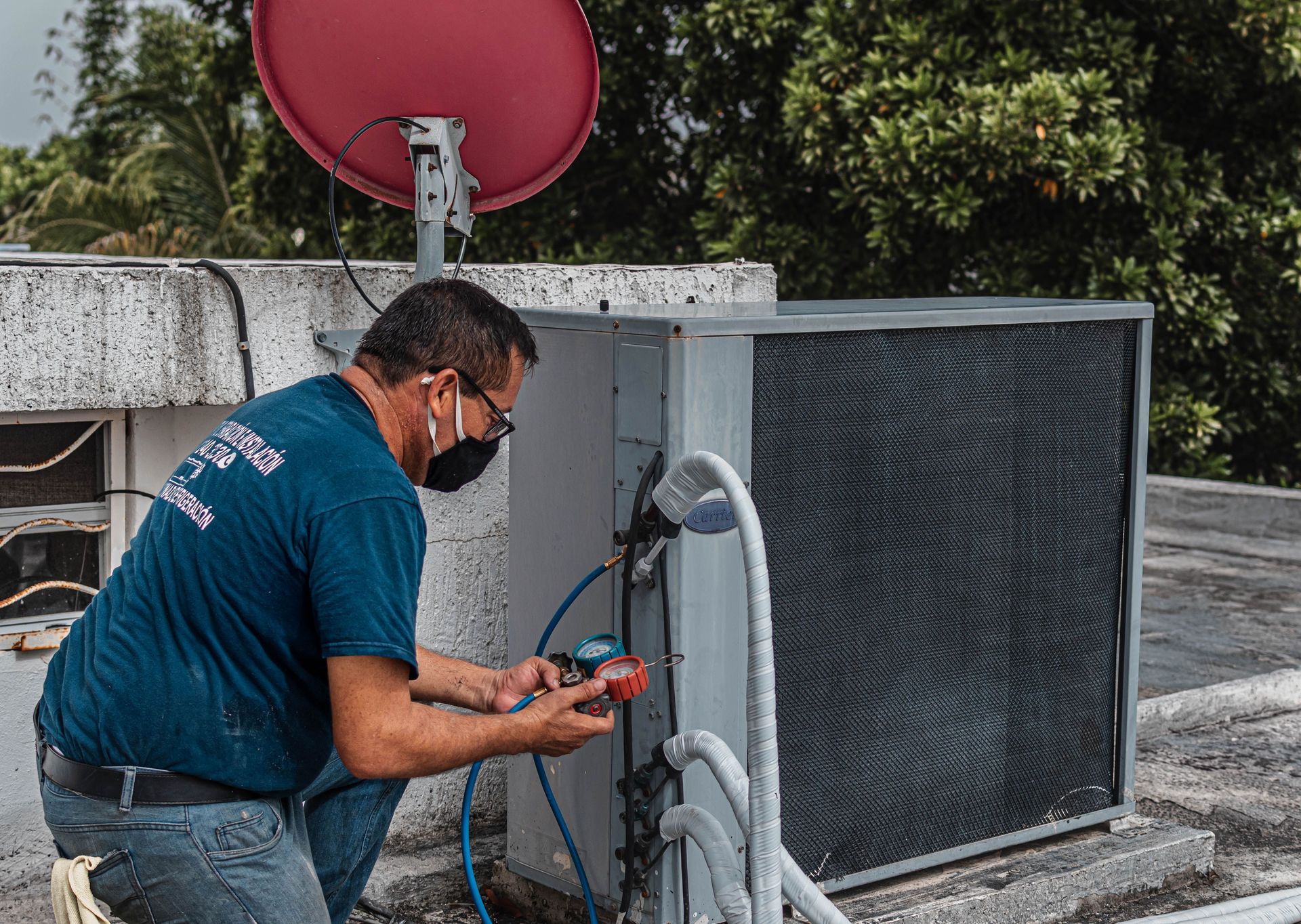
AC repair in Sacramento: learn common cooling symptoms, safe homeowner checks, what a thorough diagnosis includes, and how to weigh repair versus replacement.
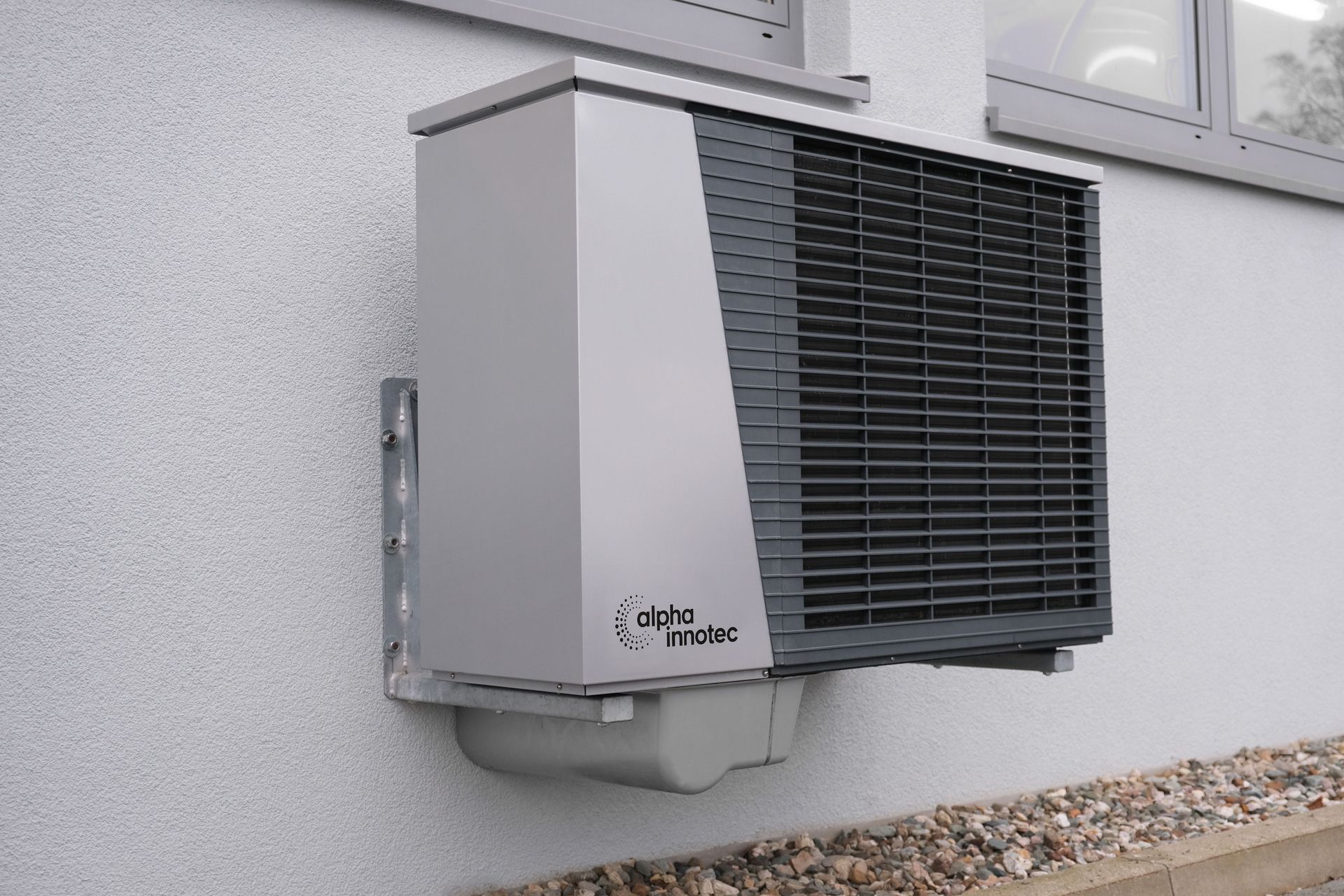
Should you cover an outdoor AC unit during Sacramento’s rainy season? Learn what to check, why heat pumps are different, and how to prevent debris problems.
One Sacramento room hotter or colder than the rest? Learn what to check, what airflow problems may mean, and when to request HVAC diagnosis.
Planning a heat pump installation in Sacramento? Ask about sizing, ducts, electrical needs, written scope, and startup testing before choosing your system.
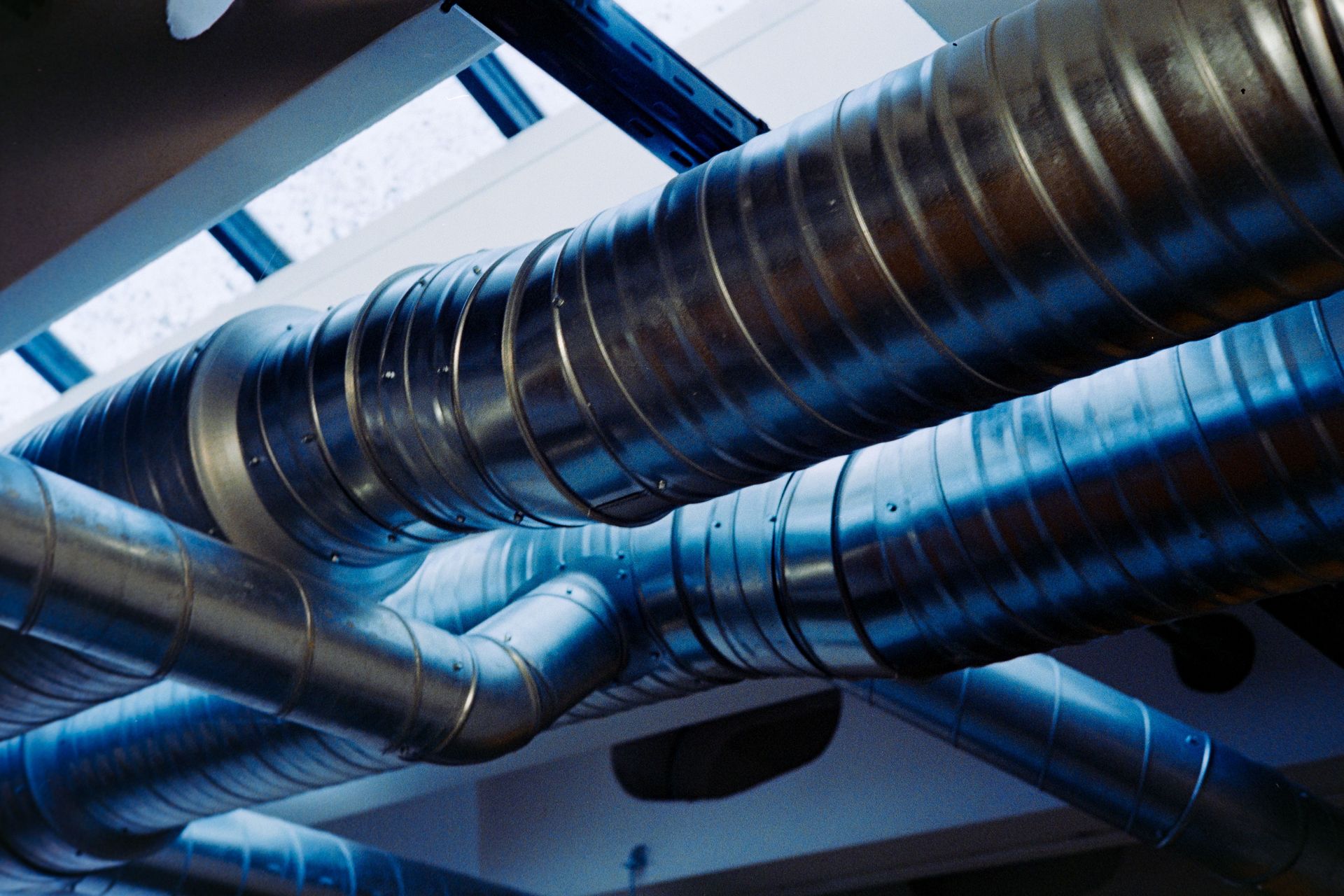
Learn when duct cleaning may be appropriate, what an inspection should cover, and how dust, airflow, pests, or moisture affect Sacramento duct systems.
Use this Sacramento furnace startup checklist to identify airflow, thermostat, noise, odor, and heating concerns before colder weather arrives.
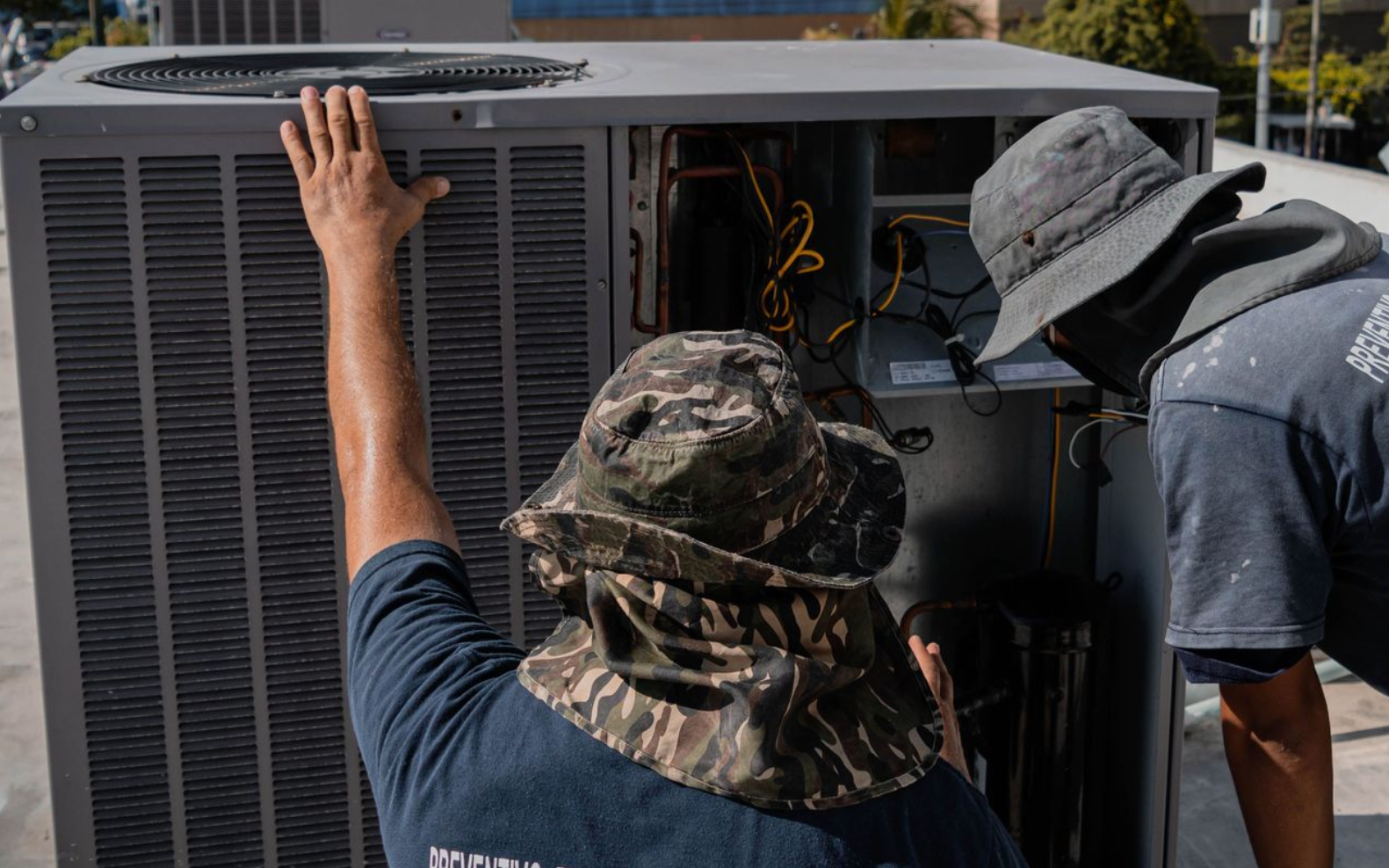
Compare AC repair and replacement factors for Sacramento homes, including diagnosis, repair history, comfort, sizing, and equipment condition.
Learn why an AC may run without cooling, which symptoms matter, and when to request professional AC repair in Sacramento.