


When most of a Sacramento property feels comfortable but one bedroom, office, or upstairs room does not, turning the thermostat farther up or down may not solve the real problem. The thermostat measures temperature near its own location. It cannot show whether every room is receiving the right amount of conditioned air.
Uneven temperatures can come from a simple obstruction, an airflow problem, duct condition, the building itself, or the way the HVAC system is controlled. The useful question is not just, “Why is this room uncomfortable?” It is also, “When does the difference appear, and what changes it?”
This guide explains safe observations you can make before scheduling service and what an HVAC evaluation may need to consider.
Start With the Pattern
Before changing vents or thermostat settings, compare the uncomfortable room with the rest of the property. A few details can make diagnosis more focused:
- Is the room uncomfortable during cooling, heating, or both?
- Does the problem occur all day or mainly in the afternoon or early morning?
- Is the room upstairs, over a garage, at the end of a duct run, or exposed to strong sunlight?
- Is airflow from the supply register weaker than airflow in nearby rooms?
- Does the room have a return-air grille, a clear path back to a central return, or neither?
- Did the problem begin after remodeling, moving furniture, replacing flooring, or installing a new thermostat?
Write down what you notice instead of repeatedly changing the thermostat. A consistent pattern helps separate an equipment problem from a room-specific airflow or building issue.
Check for Simple Airflow Obstructions
Look at the supply and return grilles serving the room. Furniture, rugs, curtains, storage boxes, and dust buildup can restrict airflow. Make sure the grilles are open and unobstructed.
Also check the HVAC filter. A filter that is heavily loaded with dust can restrict airflow throughout the system. Use the filter size and type appropriate for the equipment, and follow the equipment or filter manufacturer’s instructions. A higher filter rating is not automatically better for every system because the blower and ductwork still need to move the required amount of air.
Do not reach into equipment, remove safety panels, or use objects to clean inside a register. If airflow remains weak after visible obstructions are cleared, request an evaluation.
A Closed Door Can Change the Airflow Balance
Supply air entering a bedroom needs a path back to the return side of the system. If the room has no dedicated return and the closed door leaves very little transfer space, pressure can build in the room and reduce airflow.
Try comparing the room with the door open and closed during a normal heating or cooling cycle. A noticeable difference is useful information for a technician. The right correction depends on the home and may involve a return-air path, transfer grille, duct changes, or another solution. Cutting doors or adding openings without evaluating airflow, fire-safety requirements, and privacy needs can create new problems.
Duct Conditions May Affect Only Part of the Property
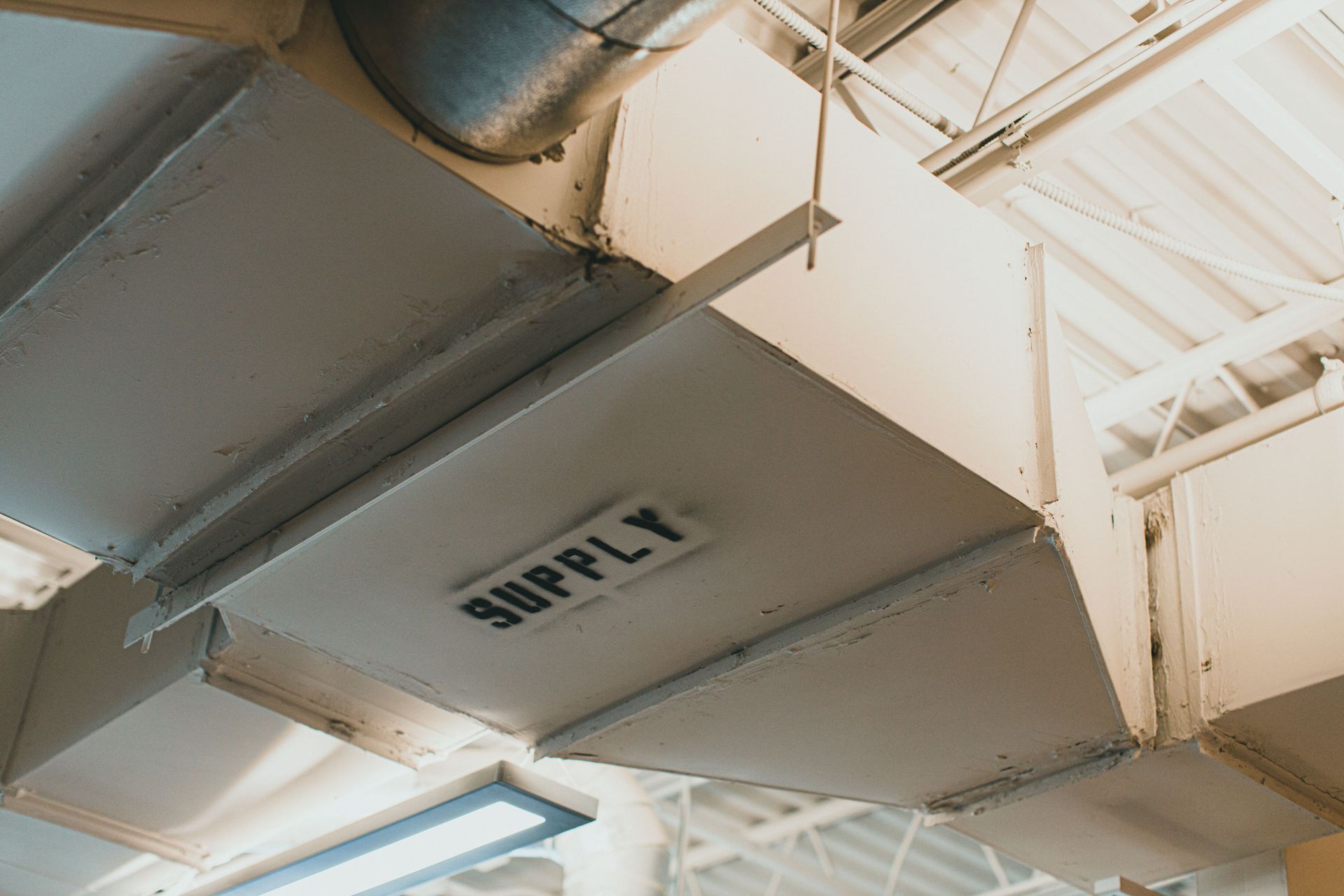
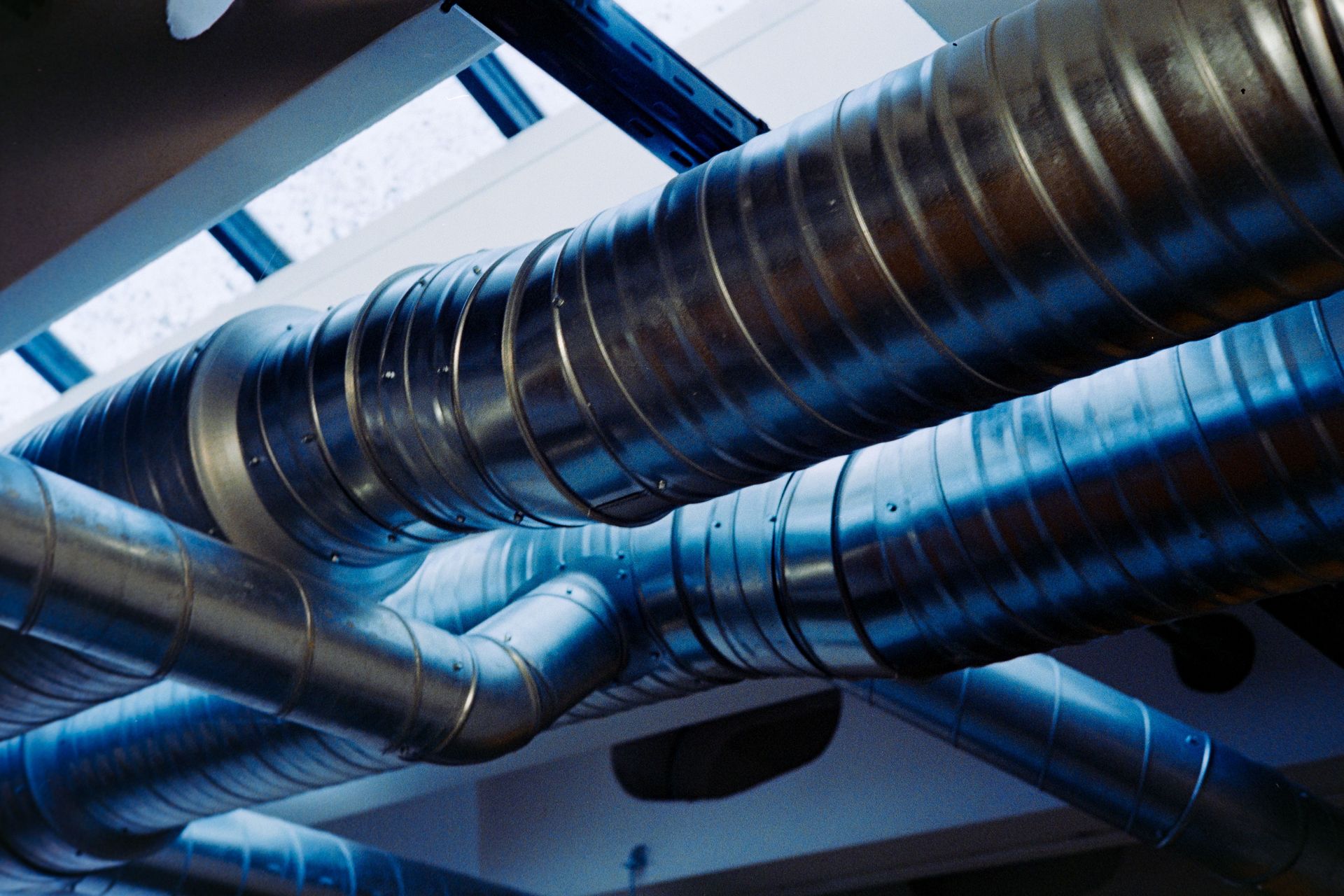
A disconnected, crushed, kinked, poorly sealed, or undersized duct branch can leave one area uncomfortable while other rooms feel normal. Ducts located in attics, garages, crawlspaces, or other unconditioned areas may also be affected by insulation and temperature exposure.
ENERGY STAR lists rooms that are difficult to heat or cool as one sign of poorly performing ducts. Because much of a duct system is concealed, visual inspection alone may not reveal the entire issue. An HVAC evaluation may compare airflow, inspect accessible duct sections and connections, and consider whether the duct layout can serve the room properly.
The Room Itself May Be Gaining or Losing More Heat
HVAC equipment is only one part of indoor comfort. A west-facing room can receive strong afternoon sun. An upstairs room may gain heat through the ceiling or attic. A room over a garage may be affected by the surfaces around it. Windows, exterior walls, insulation, air leakage, and shading can all change the heating or cooling load.
Clues that the building may be contributing include:
- The problem follows sunlight rather than HVAC run time.
- The room changes temperature faster than nearby rooms after the system shuts off.
- Drafts are noticeable near windows, doors, outlets, or attic access points.
- The ceiling or an exterior wall feels much warmer or colder than interior surfaces.
An HVAC repair can correct an equipment or airflow fault, but it cannot replace missing insulation or correct every source of building heat gain. A useful diagnosis separates these causes before recommending work.
Thermostat Location and Controls Matter
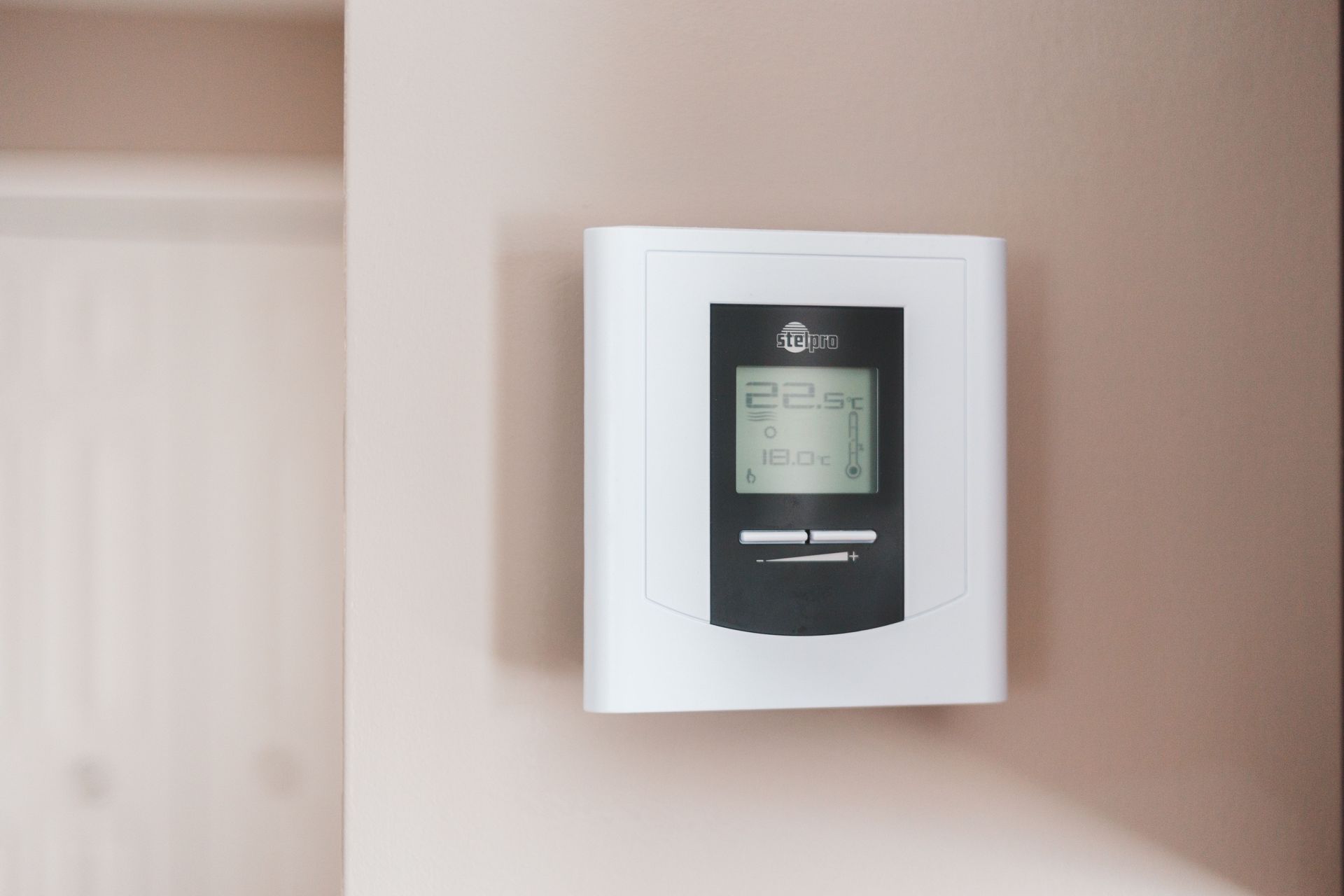
The thermostat may satisfy the system when the area around it reaches the set temperature, even though a distant room has not. Heat from lamps, electronics, kitchens, direct sun, or nearby supply air can also influence the thermostat.
Remote sensors, zoning, and control changes may help in some properties, but they are not automatic fixes. Controls cannot overcome a disconnected duct, inadequate return path, dirty component, or incorrectly sized system. The airflow and equipment should be evaluated before controls are used to mask a mechanical problem.
Avoid Closing Several Vents to Force Air Elsewhere
Partially adjusting a register may change comfort in a room, but closing multiple supply vents can change system pressure and airflow. That may increase noise or create operating problems rather than sending the desired amount of air to the uncomfortable room.
If balancing is needed, it should account for the whole system. Note which rooms receive too much or too little air and let the technician evaluate the appropriate adjustment.
When to Request HVAC Diagnosis
Schedule service when weak airflow persists, the temperature difference is significant, the system runs for long periods without balancing the property, or the problem began suddenly. Prompt evaluation is also appropriate if you notice unusual noises, repeated shutdowns, or water near indoor equipment. Stop using equipment with a burning electrical odor or repeatedly tripping breaker; do not keep resetting it. If there is smoke or fire, leave and call emergency services.
For a commercial property, also document occupied hours, areas with concentrated electronics, changes in tenant layout, and rooms that are uncomfortable only when doors are closed. Those details can affect airflow and load.
What to Tell the Technician
Provide the room location, time of day, thermostat setting, door position, and whether the issue occurs in heating, cooling, or both. Mention recent construction, filter changes, thermostat changes, and any unusual system behavior. This information helps the evaluation begin with the actual complaint rather than a generic checklist.
Frequently Asked Questions
Why is one upstairs room hotter than the rest of the house?
Possible contributors include solar heat gain, attic conditions, duct routing, weak airflow, an inadequate return-air path, or the thermostat reaching its setpoint before that room is comfortable. The cause should be tested rather than assumed.
Should I close vents in the comfortable rooms?
Do not close multiple vents as a first response. Doing so changes airflow and pressure across the system and may not correct the underlying problem. Record which rooms are affected and request system-level evaluation.
Does an uneven room automatically mean I need new HVAC equipment?
No. Uneven comfort may come from a blocked grille, filter restriction, duct problem, controls, insulation, air leakage, or room-specific heat gain. Replacement should be considered only after the cause and the condition of the existing equipment are understood.
Can duct cleaning fix an uncomfortable room?
Duct cleaning and airflow repair are different services. Cleaning may be appropriate for specific contamination or debris concerns, but it will not repair a disconnected, crushed, leaking, or incorrectly sized duct. The system should be evaluated to identify the actual restriction or imbalance.
Can Capital City Comfort evaluate residential and commercial properties?
Capital City Comfort provides residential and commercial HVAC repair, maintenance, installation, and replacement in Sacramento and surrounding communities. Service availability varies by address, equipment, project type, and scheduling.
Request Help With Uneven Heating or Cooling
If one part of your Sacramento-area property remains uncomfortable, Capital City Comfort can evaluate the reported symptoms, HVAC operation, and accessible airflow conditions and explain the available next steps. Call (916) 390-0025 at any hour to confirm service for your address.
Explore AC repair, furnace repair, HVAC maintenance, or our service areas. You can also request service online.