
(916) 390-0025





Water Around Your Furnace in Sacramento: What to Do First
Admin Capital City Comfort • October 9, 2026
A puddle beside the furnace deserves attention even if the house still feels comfortable. During the fall transition, remember which equipment was running before the water appeared. Was the heat on that morning, had the AC run earlier, or was the system off?
Water's location is a clue, not proof of its source. The first job is to avoid hazards and prevent further damage safely. Diagnosis comes next.
Start with electrical safety
Keep away from wet electrical equipment. Do not touch it or enter standing water to reach a switch. From a dry, safe location, set the thermostat to Off if accessible. That does not disconnect all electrical power. If water threatens wiring, outlets, or equipment, stay clear and obtain appropriate emergency or electrical assistance. [2] [4]
Do not remove furnace panels, bypass a water safety switch, or repeatedly restart the system. A heater that still operates has not necessarily been cleared for continued use.
Three possibilities to discuss with a technician
1. Drainage from a condensing furnace
High-efficiency condensing furnaces produce water as part of normal heating operation. That water should leave through the designed drainage system. A blocked drain, damaged connection, or a condensate-pump problem, where a pump is fitted, can allow water to escape. Water production can be normal; a puddle on the floor is not its intended destination. [1]
2. Water associated with cooling operation
In a combined furnace-and-AC system, the indoor cooling coil also produces condensate. Drainage problems can make an AC-related leak appear to come from the furnace area. Mention recent cooling use even if you have since switched to Heat. [1]
3. Another appliance or building leak
Nearby plumbing or a connected humidifier, if installed, may be involved. Do not assume a furnace replacement will solve water from another source. A technician may need to distinguish equipment drainage from a problem requiring another trade. [2]
Record the pattern without taking anything apart
For a Sacramento-area property, a short description of the sequence is more useful than naming a part you suspect. From a safe, dry position, record:
- When water was first noticed and whether the wet area is spreading.
- Whether heating or cooling had been running, or the system was off.
- Where the water appeared: floor, equipment base, nearby wall, or ceiling below.
- Any displayed error or shutdown message.
- Recent HVAC work, nearby plumbing work, or other changes.
A photo can preserve the original pattern before safe cleanup begins. Do not enter an attic, climb over wet equipment, or move electrical devices just to obtain a picture. For rentals or business properties, notify the person authorized to arrange access and approve work.
Repairing the source and drying the property are separate jobs
Stopping a leak does not automatically dry surrounding materials. EPA recommends drying water-damaged areas and items within 24–48 hours to help prevent mold growth. Treat that as a reason to act promptly, not a reason to wait. If water may be contaminated, avoid contact and seek qualified help. If the HVAC system is known or suspected to contain mold, EPA advises against running it because it could spread contamination. [3]
When discussing service, ask which work addresses the source, which addresses affected materials, and whether another specialist is needed. Keep dated notes, photos, estimates, and invoices. These help you communicate the sequence to a property manager or insurer without assuming any particular coverage outcome.
Frequently asked questions
Can a furnace make water while heating?
A condensing furnace can. The water belongs in its drainage system, not on the floor. Equipment type and the source of the leak need to be identified. [1]
Should I pour cleaner into a pipe to clear the problem?
Do not pour chemicals into an unidentified pipe or disconnect hoses to experiment. Have the drainage arrangement identified and follow the equipment manufacturer's service instructions.
Does a small puddle mean a small repair?
The visible amount does not establish the cause or complete scope. Ask what was found, what repair is proposed, and whether surrounding materials also need attention.
Can Capital City Comfort discuss both concerns?
Yes. We provide furnace repair and water mitigation. Describe both the equipment symptom and the affected area so the appropriate service and availability can be discussed.
Call about water near your heating equipment
Capital City Comfort serves homes and businesses in Sacramento and surrounding communities and is open 24/7. Call (916) 390-0025 or contact us with your address, when the water appeared, and whether it is still spreading. Service availability depends on the address, equipment, project, and scheduling. California contractor license #1071686.
Sources
Technical references checked October 9, 2026.
- Trane: Why Is My Furnace Leaking Water? — heating and cooling condensate sources.
- Lennox: Furnace Leaking Water — possible sources and electrical hazards.
- EPA: A Brief Guide to Mold, Moisture and Your Home — drying, contamination, and HVAC precautions.
- EPA: Flood Cleanup Infographic — avoiding wet electrical equipment.
Heat pump blowing cool air in Sacramento? Learn how defrost differs from a heating problem, what to check safely, and when to request service.
Buying a furnace filter for your Sacramento home? Learn how to check size, MERV compatibility, airflow direction, and when your filter needs replacement.
Heat in the morning, AC in the afternoon? Learn how thermostat modes, schedules, and fan settings can help Sacramento homes manage fall comfort.
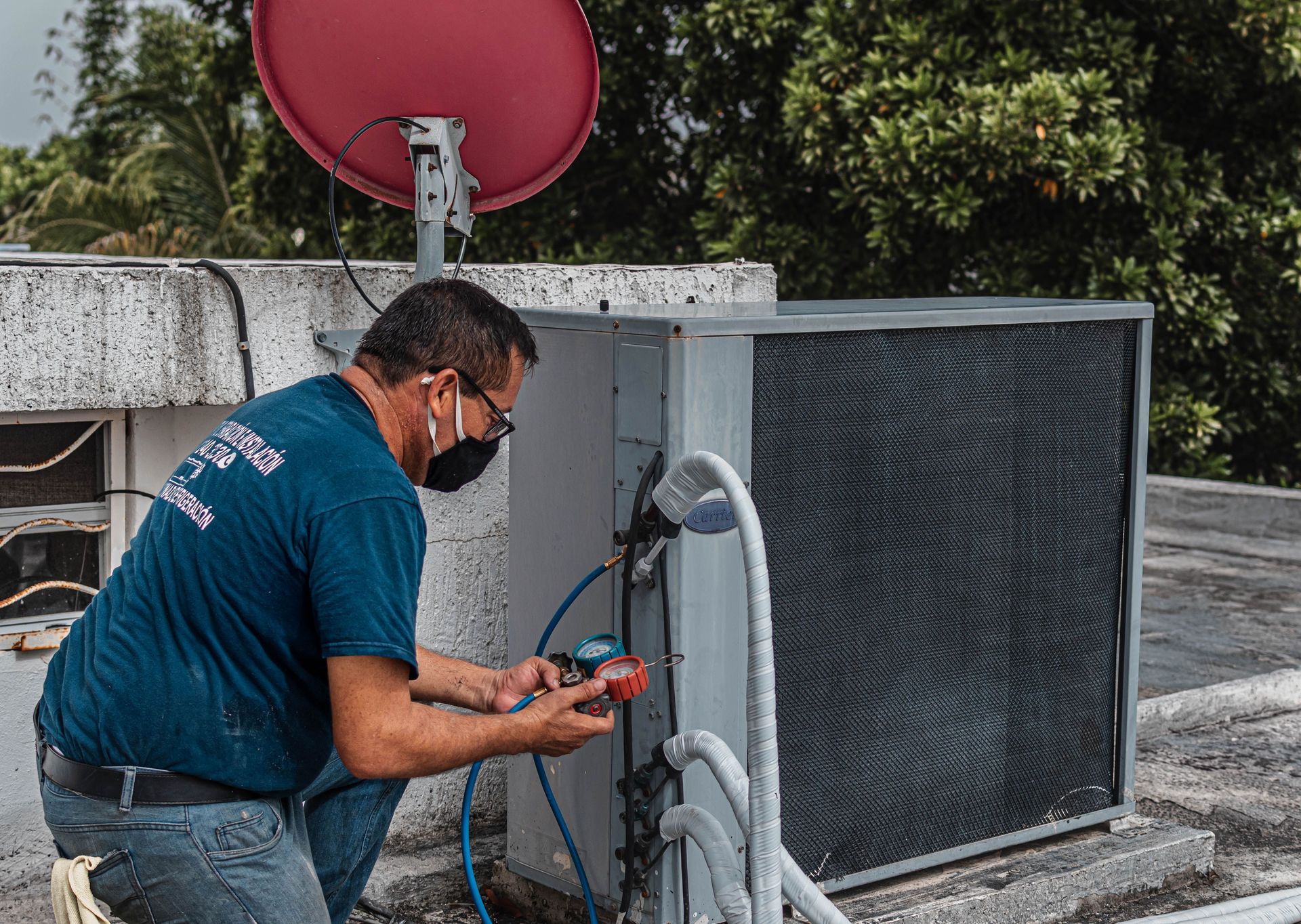
AC repair in Sacramento: learn common cooling symptoms, safe homeowner checks, what a thorough diagnosis includes, and how to weigh repair versus replacement.
Should you cover an outdoor AC unit during Sacramento’s rainy season? Learn what to check, why heat pumps are different, and how to prevent debris problems.
One Sacramento room hotter or colder than the rest? Learn what to check, what airflow problems may mean, and when to request HVAC diagnosis.
Planning a heat pump installation in Sacramento? Ask about sizing, ducts, electrical needs, written scope, and startup testing before choosing your system.
Should you run your AC during wildfire smoke in Sacramento? Learn about compatible filters, recirculation settings, cleaner-air rooms, and when to get help.
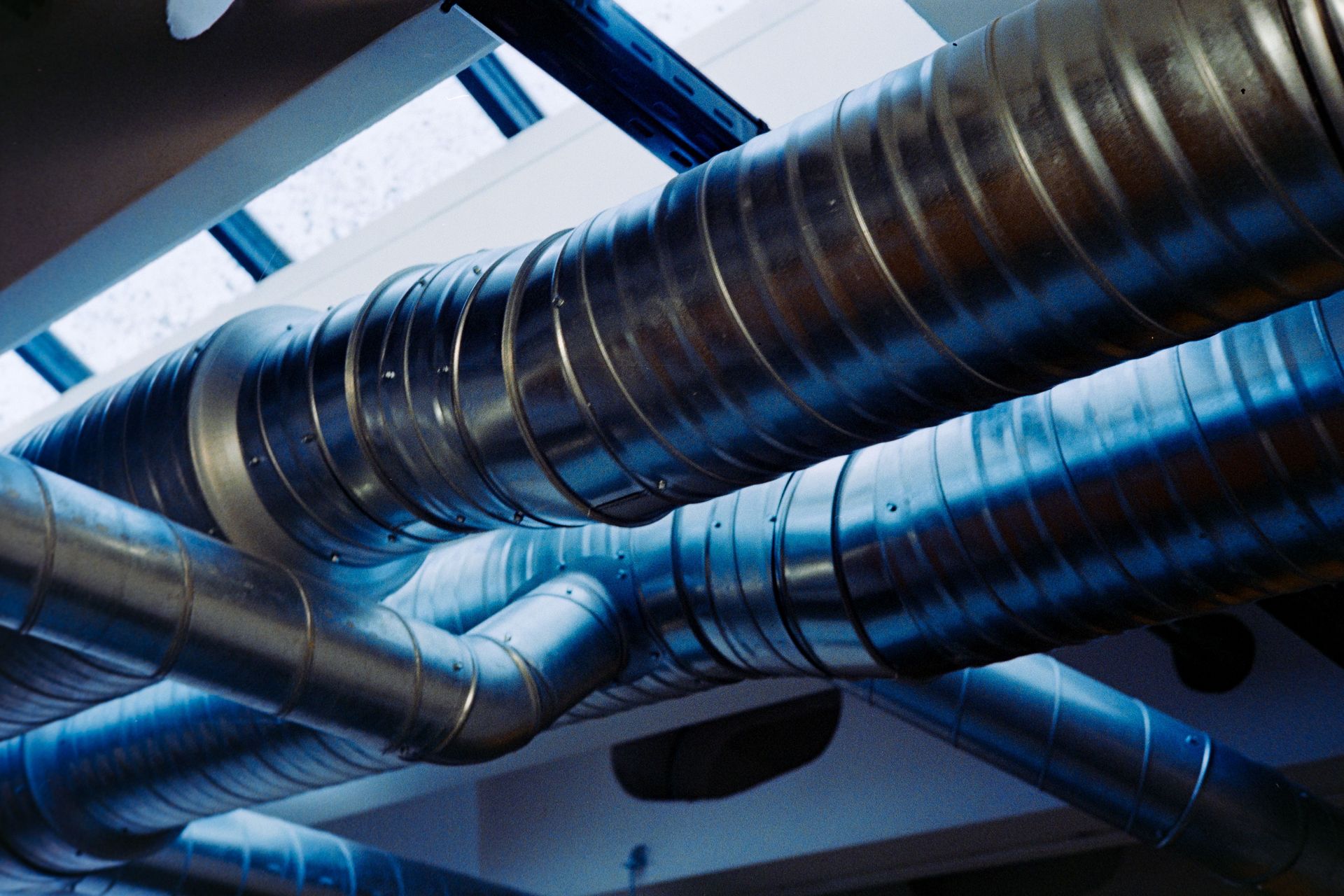
Learn when duct cleaning may be appropriate, what an inspection should cover, and how dust, airflow, pests, or moisture affect Sacramento duct systems.
Use this Sacramento furnace startup checklist to identify airflow, thermostat, noise, odor, and heating concerns before colder weather arrives.