
(916) 390-0025






AC Repair Sacramento: Symptoms, Safe Checks, and Repair Options
Admin Capital City Comfort • September 29, 2026
A Sacramento summer can turn a minor cooling problem into a stressful afternoon quickly. If you are searching for “AC repair Sacramento,” the most useful first step is not guessing at the cause. Notice what the system is doing, what changed, and whether the issue affects the whole property or one area. Those details help a technician diagnose the problem accurately and help you avoid paying for work that does not address the real issue.
AC Repair Sacramento Starts With the Symptom
Air conditioners are systems, not single appliances. A warm house may involve the thermostat, electrical controls, airflow, condensate drainage, outdoor equipment, refrigerant circuit, ductwork, insulation, or even extreme heat entering through windows. The symptom matters, but it is not a diagnosis by itself.
For example, an AC that runs continuously may be undersized, low on refrigerant, restricted by airflow, struggling with a dirty outdoor coil, or simply trying to keep up during a severe heat wave. Replacing a part without checking the full system can leave the underlying problem unresolved.
Before calling for service, make a few observations that can make the visit more efficient:
- Is the thermostat display on, and is it set to cool at a temperature below the current room temperature?
- Is air coming from the vents, and does it feel warm, mildly cool, or properly cool?
- Does the indoor unit start, the outdoor unit start, or does either one make unusual noises?
- Is the problem throughout the building, limited to one room, or worse at certain times of day?
Also note when the trouble began, whether a breaker has tripped, and whether maintenance or construction occurred recently. A clear description of the issue gives the technician a better starting point than “the AC just is not working.”
What You Can Check Safely Before Scheduling Repair
There are a few homeowner checks that are reasonable, provided they do not involve opening electrical panels or handling refrigerant components. Start with the thermostat. Confirm it is in cooling mode, the fan setting is appropriate, and the batteries are fresh if the model uses them. A thermostat setting error is not the most common reason for a no-cooling call, but it is easy to rule out.
Next, inspect the return-air filter. A heavily loaded filter can reduce airflow, contribute to frozen indoor coils, and make rooms feel uncomfortable even when the equipment is operating. If the filter is visibly dirty and you have the correct replacement, change it according to the system’s requirements. Do not run the system without a filter.
Walk outside and look at the area around the condenser. Leaves, grass clippings, storage items, and vegetation can restrict airflow around the unit. Clear loose debris from around it, but do not remove panels or spray electrical components. If you see ice on refrigerant lines or the outdoor unit, turn the cooling system off and contact an HVAC professional. Continuing to run a frozen system can cause additional damage.
A tripped breaker is another useful clue. You may reset a breaker once if it has tripped and there is no burning smell, visible damage, or unusual electrical activity. If it trips again, leave it off and arrange service. Repeated breaker trips are not a problem to solve by continually resetting the switch.
Common Cooling Problems and What They May Mean
The AC Runs but the House Is Still Warm
When air is moving but rooms do not cool, the issue may be inadequate heat removal rather than a complete system failure. Restricted airflow, a dirty coil, duct leakage, thermostat problems, failing capacitors, compressor concerns, or refrigerant issues can all produce this symptom.
Sacramento’s high outdoor temperatures add context. During a prolonged heat event, an air conditioner may run for extended periods and still maintain an indoor temperature somewhat above the thermostat setting. That does not automatically mean the system is broken. However, if performance has changed noticeably from prior summers, or the system cannot maintain reasonable comfort during ordinary hot weather, a diagnostic visit is appropriate.
Weak Airflow or a Hot Bedroom
Weak airflow can come from a clogged filter, closed or blocked registers, duct restrictions, blower issues, zoning problems, or poorly balanced ductwork. A hot upstairs bedroom or one uncomfortable room may also involve sun exposure, attic insulation, return-air limitations, or duct design.
This is why simply adding refrigerant is rarely a responsible response to an uneven-temperature complaint. A technician should evaluate airflow and the building conditions that affect the room, then explain whether the practical solution is repair, duct modification, zoning, insulation improvements, equipment adjustments, or a combination of measures.
The System Turns On and Off Repeatedly
Short cycling means the equipment starts and stops more often than normal. It can be related to thermostat placement, airflow restrictions, dirty components, electrical controls, an oversized system, or safety switches responding to a drainage or refrigeration problem.
Frequent cycling increases wear and can raise energy use. It is best to schedule an evaluation rather than letting the condition continue through the season. The correct repair depends on why the system is cycling, not just on the symptom itself.
Water Near the Indoor Unit
Air conditioners remove humidity as they cool, and that water must drain safely. A blocked condensate line, damaged drain pan, failed condensate pump, or frozen coil can cause water to appear near the indoor equipment.
Turn the system off if water is actively leaking near electrical components or causing property damage. Do not ignore recurring moisture. A small drainage problem can become a ceiling, flooring, or wall repair if it is left unaddressed.
What a Thorough AC Diagnosis Should Include
A proper service call should be more than a quick glance at the outdoor unit. The technician should listen to your comfort concern, inspect the relevant equipment, and test the components connected to the symptom. Depending on the issue, that may include thermostat operation, electrical connections, capacitors, contactors, blower performance, temperature split, drainage, indoor and outdoor coil condition, and refrigerant-system readings.
The goal is to distinguish between routine maintenance needs, a specific repair, and a larger equipment decision. Those are not interchangeable recommendations. A dirty filter and a failed blower motor are different problems. A repairable electrical component and an aging system with a major compressor failure call for different conversations.
At Capital City Comfort, that conversation should include clear options before work begins. Flat-rate, upfront pricing helps customers understand the cost of an approved repair without watching an hourly meter. It also gives homeowners, property managers, and commercial operators a clearer basis for deciding how to proceed.
Repair or Replacement: How to Make a Practical Decision
Replacement is not automatically the right answer because an AC is older, and repair is not automatically the best choice because it costs less today. The decision depends on the condition of the system and your plans for the property.
A repair may make sense when the equipment has been reliable, the issue is isolated, replacement parts are available, and the repair cost is reasonable relative to the system’s age and condition. Seasonal maintenance after the repair can also help protect the rest of the system.
Replacement deserves consideration when repair needs are recurring, a major component has failed, efficiency is poor, the equipment uses an older refrigerant, or the system no longer meets the building’s comfort needs. For a rental property or commercial space, reliability and scheduling may weigh as heavily as energy efficiency. For a long-term homeowner, comfort, operating cost, electrical compatibility, and duct condition may all be part of the decision.
A trustworthy recommendation explains the trade-offs. It should identify what the proposed repair will and will not solve, whether other aging components remain a concern, and what replacement would involve. No one benefits from pressure when the better choice depends on budget, timing, and the actual condition of the equipment.
When to Treat an AC Problem as Urgent
Request prompt service when the cooling system stops during high heat, especially where children, older adults, pets, or medically vulnerable people are present. Water leaks, repeated breaker trips, loud grinding or buzzing, burning odors, and a system that will not shut off also warrant timely attention.
If you smell smoke or see signs of an electrical fire, leave the area and contact emergency services. Do not continue operating the equipment or attempt electrical repairs yourself. Refrigerant handling and electrical diagnostics require trained, licensed HVAC professionals.
Comfort problems are easier to solve when they are described clearly and evaluated before a small issue becomes a mid-summer breakdown. Keep track of the symptoms, use only safe homeowner checks, and ask for an explanation that connects the diagnosis to the recommended work. That approach protects both your comfort and your budget when the temperature outside is doing neither.

Found water near your Sacramento furnace? Learn safe first steps, possible sources, and when HVAC repair and water mitigation may both be needed.
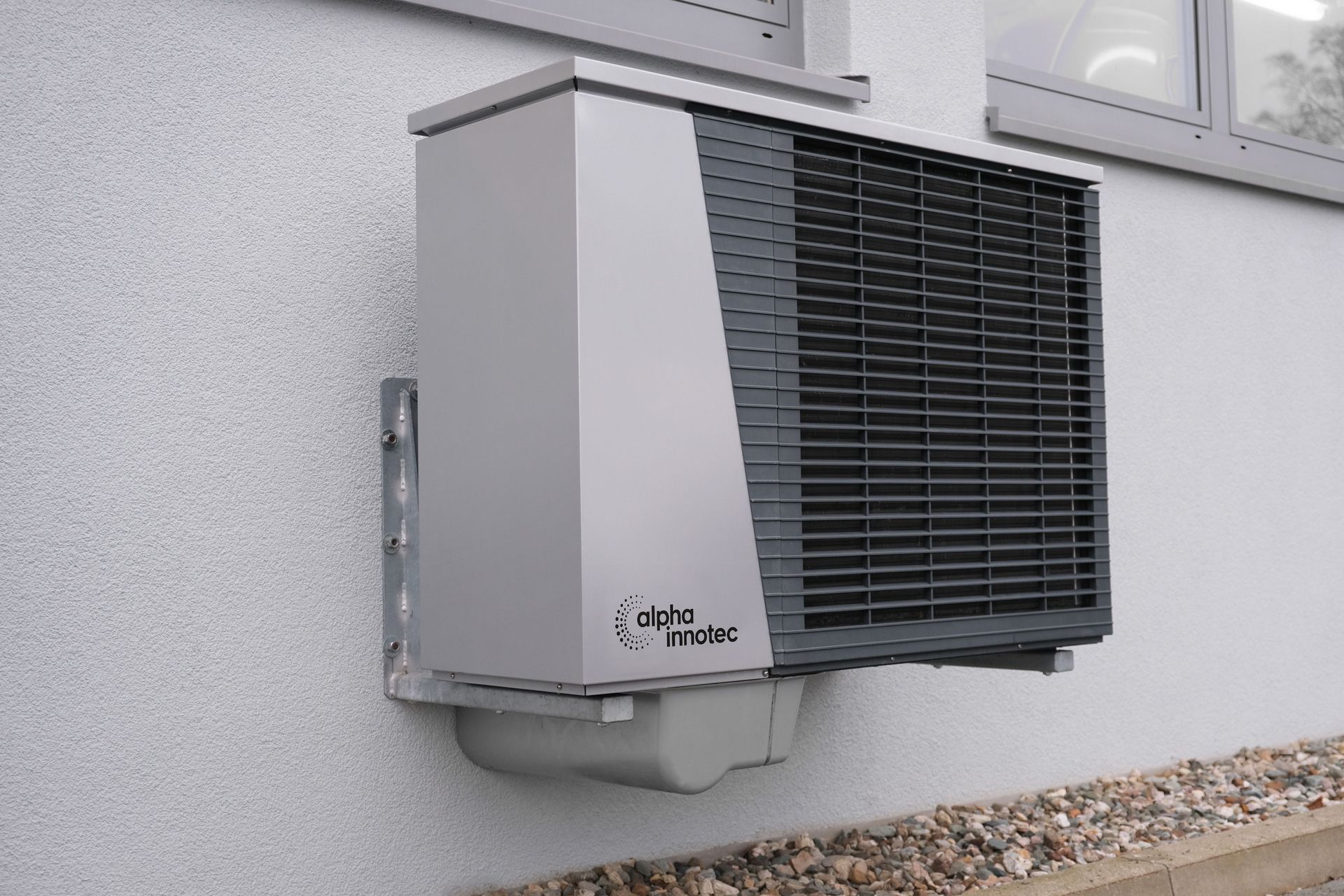
Heat pump blowing cool air in Sacramento? Learn how defrost differs from a heating problem, what to check safely, and when to request service.

Buying a furnace filter for your Sacramento home? Learn how to check size, MERV compatibility, airflow direction, and when your filter needs replacement.
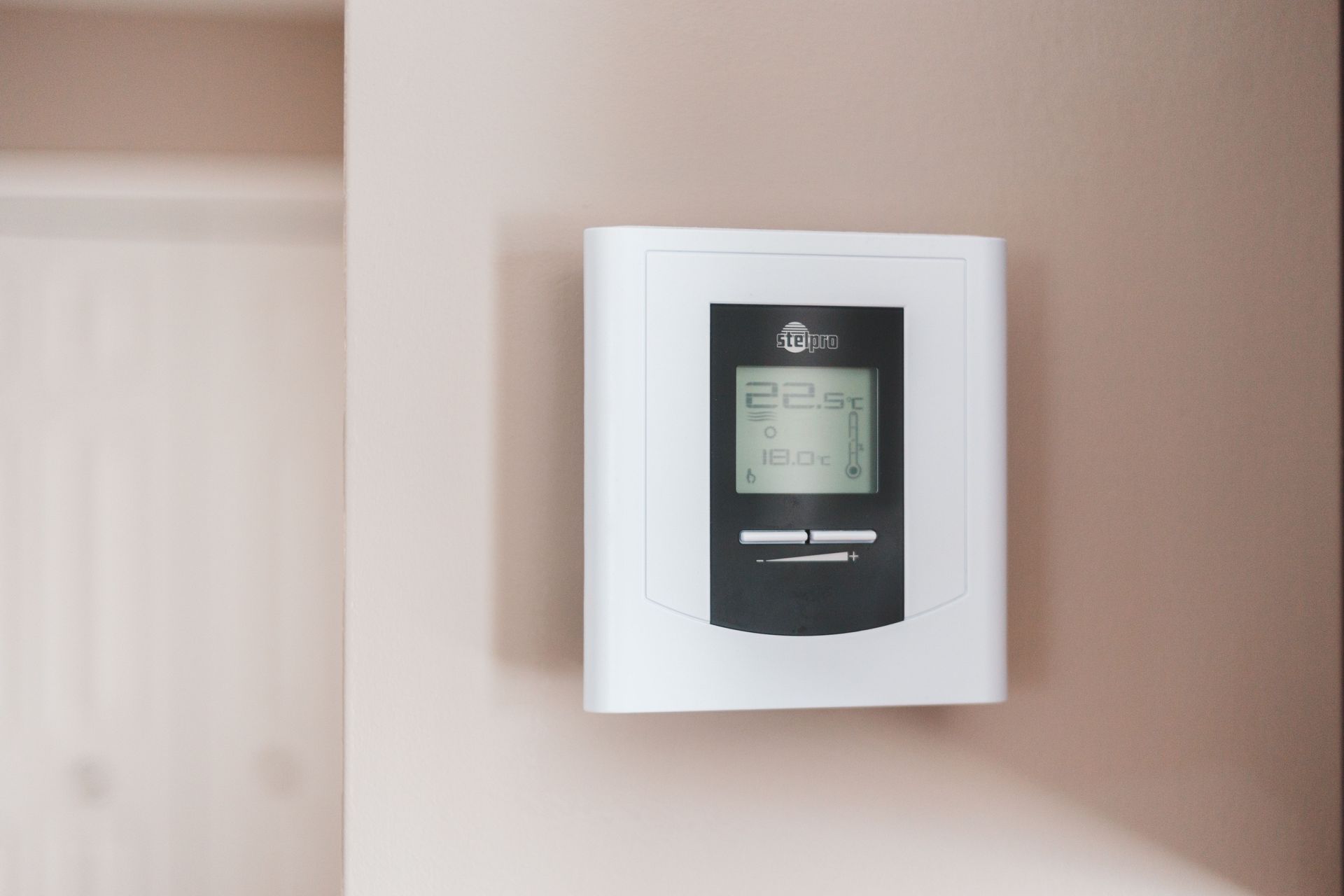
Heat in the morning, AC in the afternoon? Learn how thermostat modes, schedules, and fan settings can help Sacramento homes manage fall comfort.
Should you cover an outdoor AC unit during Sacramento’s rainy season? Learn what to check, why heat pumps are different, and how to prevent debris problems.
One Sacramento room hotter or colder than the rest? Learn what to check, what airflow problems may mean, and when to request HVAC diagnosis.
Planning a heat pump installation in Sacramento? Ask about sizing, ducts, electrical needs, written scope, and startup testing before choosing your system.
Should you run your AC during wildfire smoke in Sacramento? Learn about compatible filters, recirculation settings, cleaner-air rooms, and when to get help.
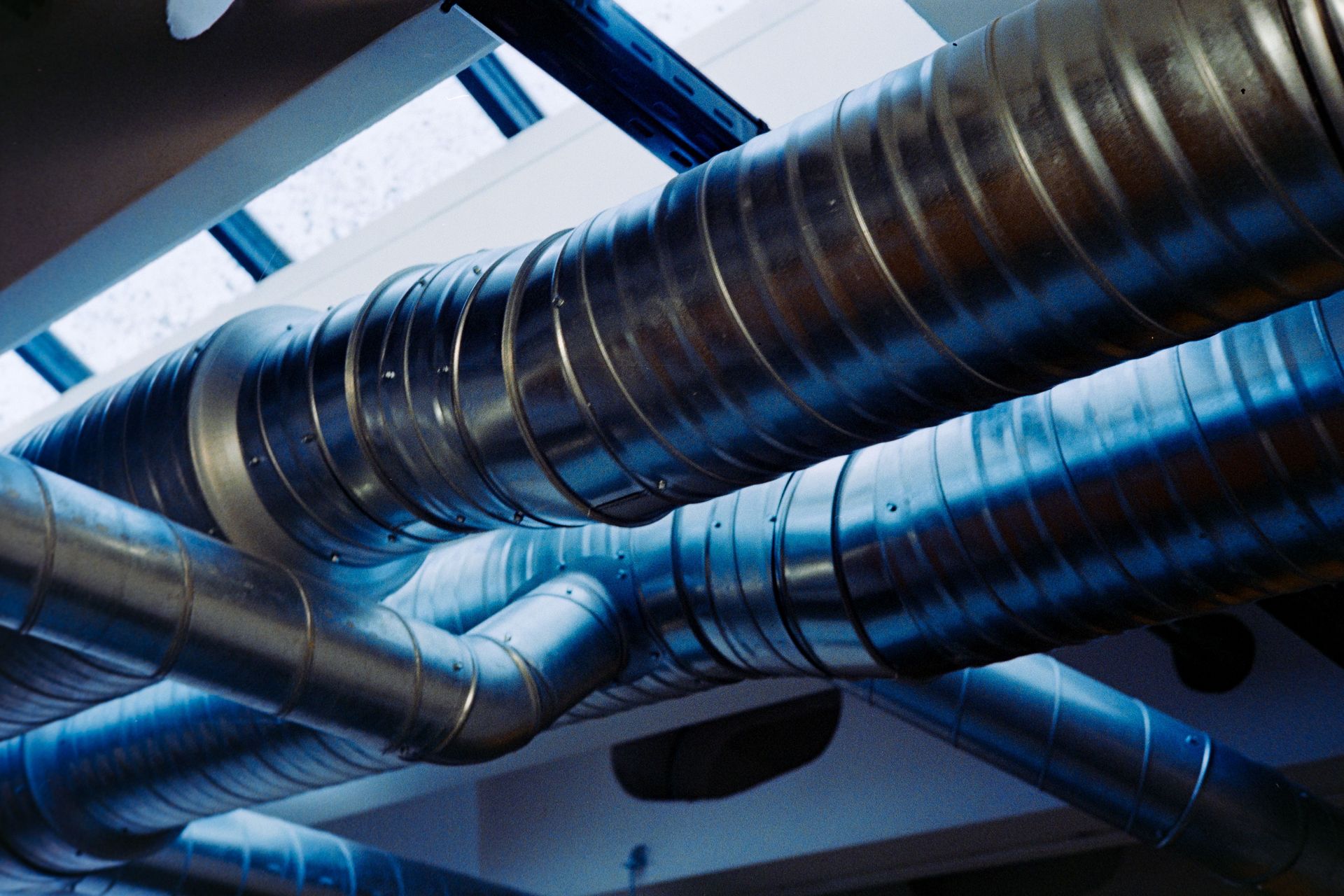
Learn when duct cleaning may be appropriate, what an inspection should cover, and how dust, airflow, pests, or moisture affect Sacramento duct systems.
Use this Sacramento furnace startup checklist to identify airflow, thermostat, noise, odor, and heating concerns before colder weather arrives.