
(916) 390-0025






Planning a Heat Pump Installation in Sacramento? Ask These 6 Questions
September 18, 2026
If you are considering a heat pump before winter, start with questions about your home—not just a model number. An air-source heat pump provides both heating and cooling by transferring heat. That makes both seasons relevant when planning the system. ENERGY STAR explains how air-source heat pumps work.
Whether your property is in Sacramento, Elk Grove, or Roseville, use the following questions to turn an equipment quote into a clear project discussion.
1. How will you determine the right size?
Ask for a heating-and-cooling load calculation, often called Manual J. ENERGY STAR recommends this assessment to determine the home's needs. The old unit’s size alone is not a sufficient explanation for choosing the new one. ENERGY STAR heat-pump buying guidance.
Bring a list of rooms that feel uncomfortable and any changes to windows, insulation, or the layout. Ask the installer to explain how those details affect the recommendation, in language you can use to compare proposals.
2. Can the existing ducts support the new equipment?
Ask whether the ductwork will be inspected for leaks and whether airflow will meet the selected equipment’s requirements. ENERGY STAR identifies duct evaluation, proper airflow, and refrigerant-charge verification as important parts of quality installation. ENERGY STAR quality-installation guidance.
A useful follow-up is: “Which duct work is included, which is optional, and what would cause the scope to change?” Do not leave that distinction until installation day.
3. What electrical work does this specific project need?
A heat-pump proposal should not assume that every home needs a panel upgrade—or that none do. Electrical needs depend on the property and the equipment. Ask for a qualified evaluation of the available electrical capacity and required circuits. Mention planned additions such as an EV charger or electric appliances so the assessment has the full picture. ENERGY STAR’s electric-readiness guidance.
This is a planning question, not a DIY wiring task. Ask who will perform any electrical work and whether it is included in the proposal.
4. Is ducted, ductless, or dual-fuel the better fit?
Ducted heat pumps distribute air through ducts. Ductless systems can serve spaces without them. A dual-fuel design combines a heat pump with a furnace. These are different approaches, not an automatic ranking from good to best. Ask why the proposed arrangement suits your home and what role, if any, backup heating will have. ENERGY STAR’s system overview.
Describe how you use the rooms: a home office occupied all day presents a different comfort priority from a rarely used guest room.
5. What is included in writing?
Request an itemized proposal with model numbers, work scope, schedule, and warranty details. ENERGY STAR recommends comparing written proposals and putting the agreement in writing before work begins. ENERGY STAR contractor-selection guidance.
Use this discussion checklist:
- Who handles applicable permits and inspections?
- What removal and disposal work is included?
- Are duct, electrical, thermostat, and finish repairs itemized?
- What is excluded, and how will additional work be approved?
- What manufacturer and labor warranty terms apply?
For operating-cost comparisons, ask which utility rates and usage assumptions were used. Keep estimated future costs separate from the installation price; neither a rebate nor a bill reduction should be treated as guaranteed.
6. How will performance and controls be explained at handoff?
Ask what startup checks will document airflow and refrigerant charge. Those checks address installation performance, not simply whether the equipment turns on. ENERGY STAR quality-installation guidance.
Also request a walkthrough of the thermostat, filter access, routine maintenance instructions, and whom to contact with questions. Keep the model numbers and written scope with those instructions for future service.
Frequently asked questions
Can a heat pump provide air conditioning too?
Yes. Air-source heat pumps provide cooling as well as heating. ENERGY STAR heat-pump overview.
Does switching mean I must replace all my ducts?
Not automatically. Existing ductwork needs evaluation for the proposed system. Ask for the findings and a clear explanation of any recommended repairs or changes. ENERGY STAR installation guidance.
What should I prepare before a consultation?
Have your service address, current equipment information, comfort concerns, available utility bills, and planned home improvements ready. Decide what you most want explained: room comfort, equipment options, project scope, or how to compare estimates.
Discuss a heat-pump project with Capital City Comfort
Capital City Comfort provides HVAC installation, replacement, repair, and maintenance in Sacramento and surrounding communities and is open 24/7. Call (916) 390-0025 or request a consultation. Service availability varies by address, equipment, project type, and scheduling.
Turn the Six Questions into a Project Plan
A heat-pump consultation is easier to use when you bring more than a request for a price. Prepare a short picture of the building, the current equipment, the comfort concerns, and any changes you expect to make. You do not need to calculate a heating load or choose a model yourself. The purpose is to give the installer enough context to explain the recommendation and identify what still needs evaluation.
Write down how the home is used
List rooms that are regularly occupied, spaces used only occasionally, and any area that is difficult to heat or cool. Note whether doors are normally open or closed and whether the concern appears at a particular time of day. A home office used all afternoon may have a different priority from a guest room used a few weekends each year. These details help connect the equipment conversation with daily comfort.
Also mention planned changes. New windows, insulation work, an addition, or a converted space can affect the assumptions behind a proposal. If the work is not yet defined, explain that uncertainty. Ask whether the HVAC decision should be coordinated with the other project and what information is needed before the equipment selection is finalized.
Build a simple equipment record
If available, gather the current system's model information, installation paperwork, and recent repair invoices. Include thermostat information and any recurring problems. Do not enter an unsafe space or remove equipment panels just to find a label. The installer can tell you which details are necessary and how they will be collected during the assessment.
Records are useful because they separate a one-time failure from a pattern. Several invoices may describe the same unresolved concern, or they may show unrelated repairs over many years. Ask how that history affects the proposal. A repair record is background for evaluation, not a reason to assume that every existing component needs replacement.
Compare the same scope across proposals
Put the proposed equipment, indoor components, controls, duct work, electrical work, removal, and other installation tasks in a simple side-by-side list. Mark anything that is included in one estimate but absent from another. An unexplained difference is a question to ask, not proof that one contractor is automatically right or wrong.
Check whether the proposal describes the same system arrangement you discussed. For example, retaining a furnace as part of a dual-fuel design is a different scope from replacing the heating arrangement entirely. A ductless project serving one room is also different from a whole-home ducted installation. Compare equivalent goals before comparing totals.
Make exclusions visible
Some projects depend on conditions that are not fully accessible during the first visit. Ask which assumptions were used, what further inspection is planned, and how a change would be presented for approval. Examples of useful questions include whether finish repairs are included, who coordinates another trade, and whether access modifications are part of the quoted work.
Keep those answers with the estimate. If the scope is revised, ask for an updated version that clearly identifies the changes. A written record helps everyone work from the same understanding and reduces the chance that a verbal discussion is remembered differently later.
Discuss controls before installation
Ask which thermostat or controller is proposed, which features it supports, and how it will be used in your household. If remote access is important, discuss account setup, connectivity, and who will manage the controls. If simplicity matters more than advanced features, say so. The best feature list is the one that fits the people who will use the system.
For a property with multiple occupants or zones, discuss who can adjust settings and how separate areas are intended to operate. Ask the installer to explain any control strategy that will be unfamiliar. Keep the operating instructions accessible so normal settings can be reviewed without guessing.
Plan access and timing
Identify the indoor equipment location, outdoor access route, electrical-panel access, and any building restrictions. Tell the installer about gates, stairs, parking limitations, pets, or hours when work would be disruptive. A business or rental property may also require a site contact and a separate person authorized to approve changes.
Ask what must happen before installation can begin and what may influence completion. Equipment availability, related work, permits, inspections, and unexpected conditions can affect the schedule. Confirm the current plan with the contractor rather than assuming that an initial date or a typical duration applies to every project.
Review estimated operating costs carefully
If a proposal includes an operating-cost estimate, ask which utility rates, weather assumptions, equipment settings, and usage patterns were used. Consider whether those assumptions resemble your property. A household occupied all day may use the system differently from one that is empty for long periods.
Keep the installed price separate from estimated future costs. If an incentive is mentioned, verify the current program, equipment eligibility, deadlines, and application requirements with the program administrator. Do not base the project on an unconfirmed rebate amount or assume that every qualifying equipment model produces the same bill in every home.
Create a handoff checklist
Before the project is complete, ask for the equipment information, applicable written warranties, operating instructions, and maintenance guidance. Review the thermostat, filter location, and the contact process for questions. Find out whether registration or another action is needed and who is responsible for it.
Ask which startup checks were completed and whether any follow-up remains. Keep the documentation together with the original proposal and any approved changes. This record is useful for future service, for another person managing the property, and for reviewing the history if a concern develops.
Common Planning Situations
The existing AC has failed, but the furnace still works
Ask whether repair, a conventional cooling replacement, or a heat-pump arrangement is appropriate to evaluate. The answer depends on the condition and compatibility of the existing equipment and the goals of the project. Do not assume the working furnace must be discarded, and do not assume it can automatically be retained. Request a clear explanation of the proposed combination and any control changes.
One room is uncomfortable while the rest of the home is acceptable
Describe the room, its use, and when the problem occurs. Ask whether airflow, ducts, return-air paths, or building conditions should be assessed before choosing separate equipment. A room-specific option may be useful in some situations, but the first step is to understand the concern. Clarify whether the proposed project is intended to serve that room alone or change comfort throughout the property.
You expect to renovate within the next few years
Share the likely scope and timing, even if the plans are preliminary. Ask which decisions can be made now and which depend on the future layout. A short-term repair and a complete installation may serve different goals. The contractor can explain the technical options, while you decide how the project fits your broader plans and budget.
You are comparing several very different prices
Look for differences in system arrangement, capacity, equipment features, electrical or duct work, controls, and project exclusions. Ask each contractor to clarify the basis for the recommendation. A clear comparison may reveal that the proposals are solving different problems. Resolve those differences before treating the totals as prices for identical work.
You want an uncomplicated system
Explain which functions matter to you and which you are unlikely to use. Ask about day-to-day operation, routine care, and the steps another household member would need to know. Simpler controls may be a preference, but compatibility with the selected equipment still matters. Have that conversation before the equipment and thermostat are finalized.
You manage the property for someone else
Confirm who approves the estimate, who provides access, and who receives the operating and warranty information. Gather occupant feedback about comfort and scheduling. A clear point of contact helps the installer communicate findings and reduces confusion if a decision is needed during the project.
Your Consultation Notes
Before contacting Capital City Comfort, summarize five items: the property address, the current equipment if known, the main comfort concern, planned building changes, and the questions you most want answered. Add any timing or access restrictions. This is enough to begin a useful discussion without trying to design the system yourself.
During the consultation, record the recommendation, the reason for it, what is included, what is excluded, and what remains uncertain. Ask for clarification before authorizing work. For the next step, request an estimate or call (916) 390-0025.

Buying a furnace filter for your Sacramento home? Learn how to check size, MERV compatibility, airflow direction, and when your filter needs replacement.
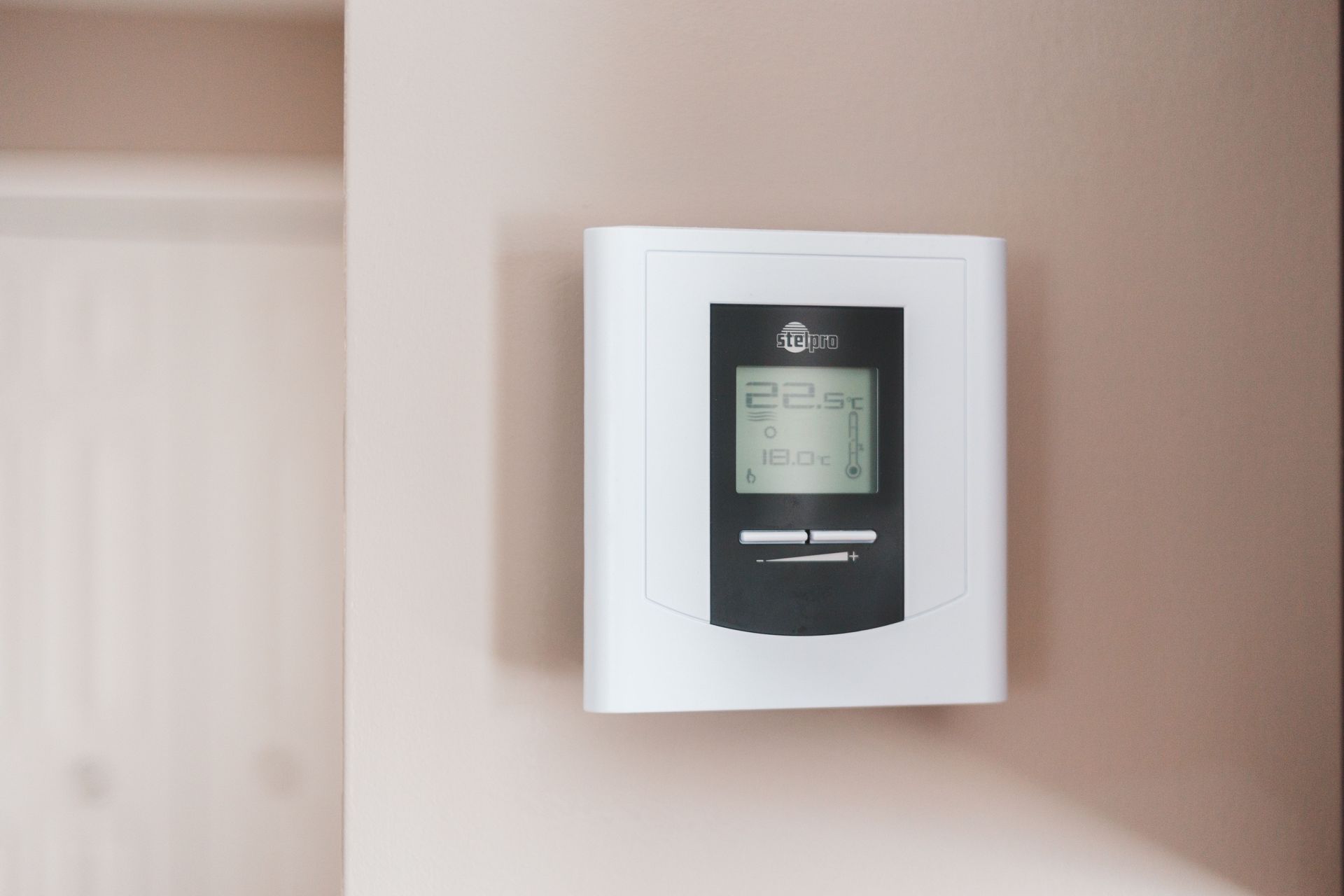
Heat in the morning, AC in the afternoon? Learn how thermostat modes, schedules, and fan settings can help Sacramento homes manage fall comfort.
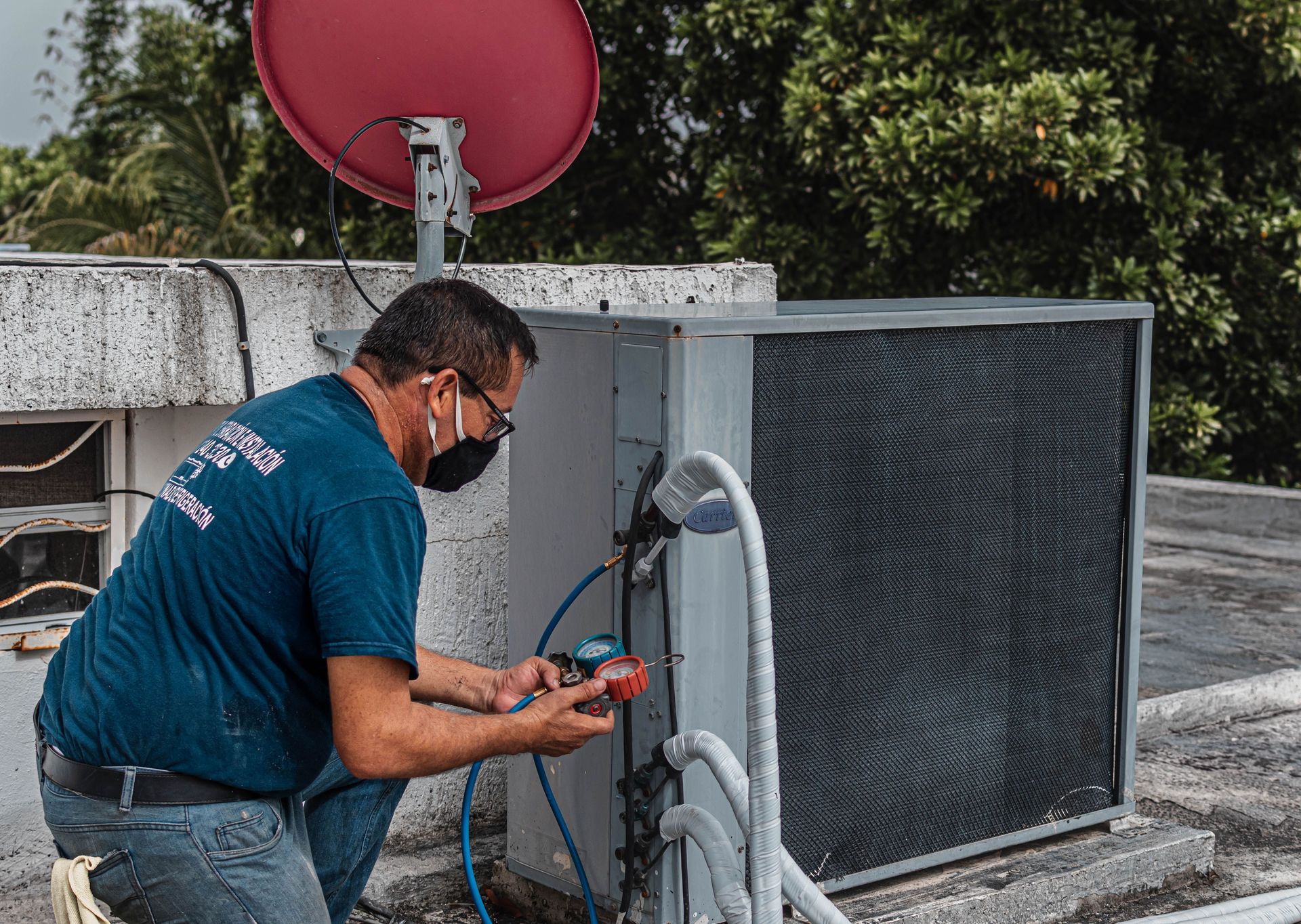
AC repair in Sacramento: learn common cooling symptoms, safe homeowner checks, what a thorough diagnosis includes, and how to weigh repair versus replacement.
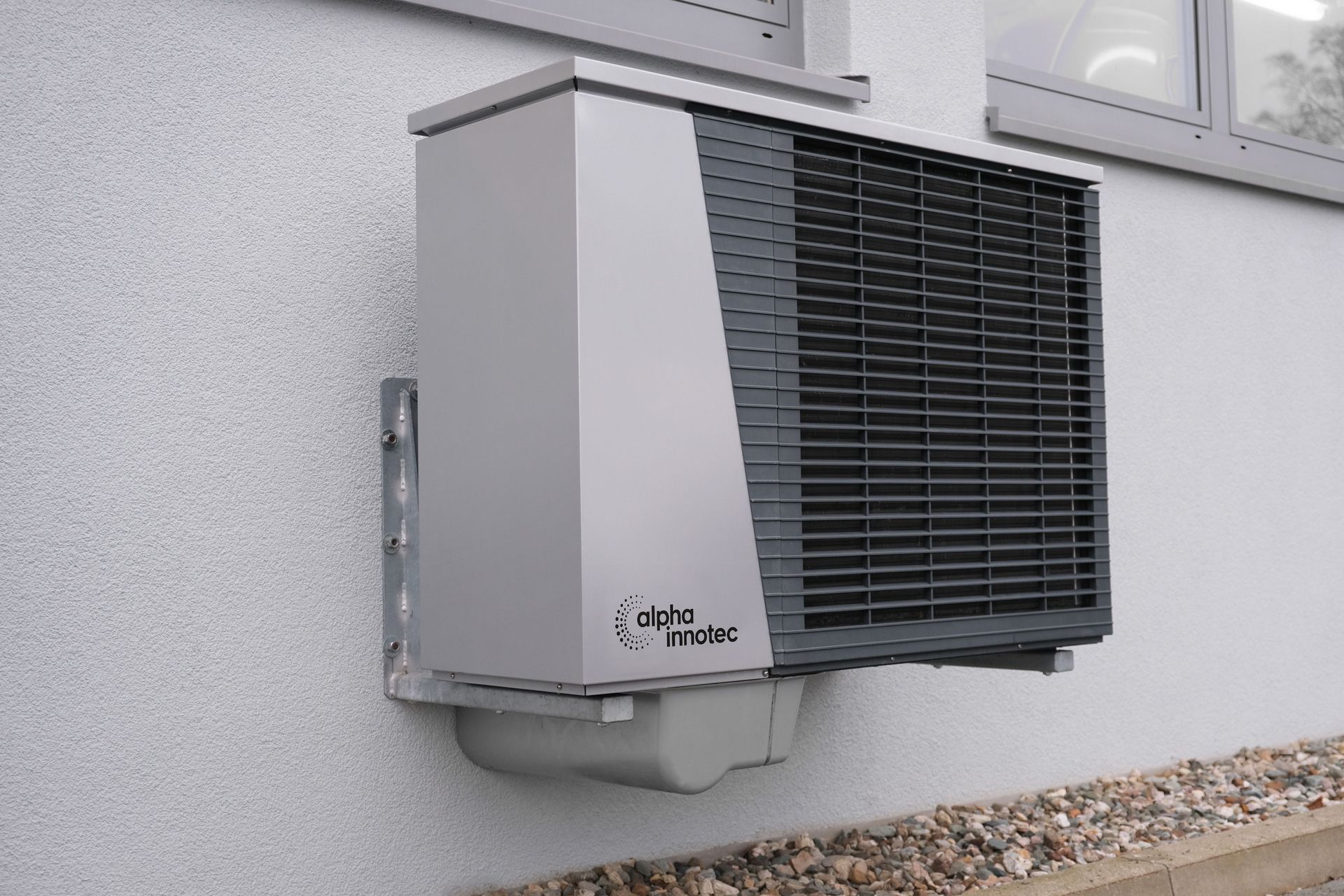
Should you cover an outdoor AC unit during Sacramento’s rainy season? Learn what to check, why heat pumps are different, and how to prevent debris problems.
One Sacramento room hotter or colder than the rest? Learn what to check, what airflow problems may mean, and when to request HVAC diagnosis.
Should you run your AC during wildfire smoke in Sacramento? Learn about compatible filters, recirculation settings, cleaner-air rooms, and when to get help.
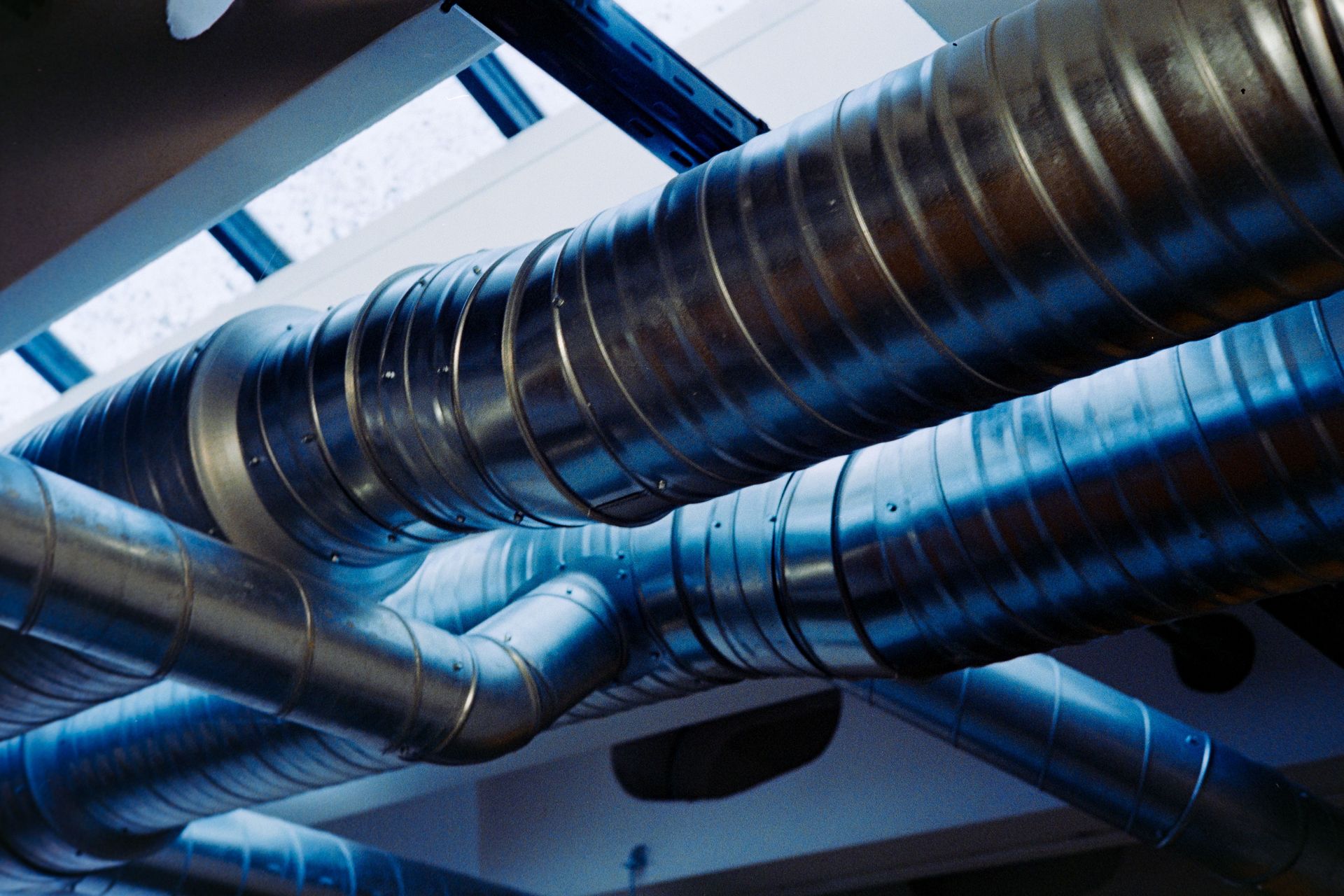
Learn when duct cleaning may be appropriate, what an inspection should cover, and how dust, airflow, pests, or moisture affect Sacramento duct systems.
Use this Sacramento furnace startup checklist to identify airflow, thermostat, noise, odor, and heating concerns before colder weather arrives.
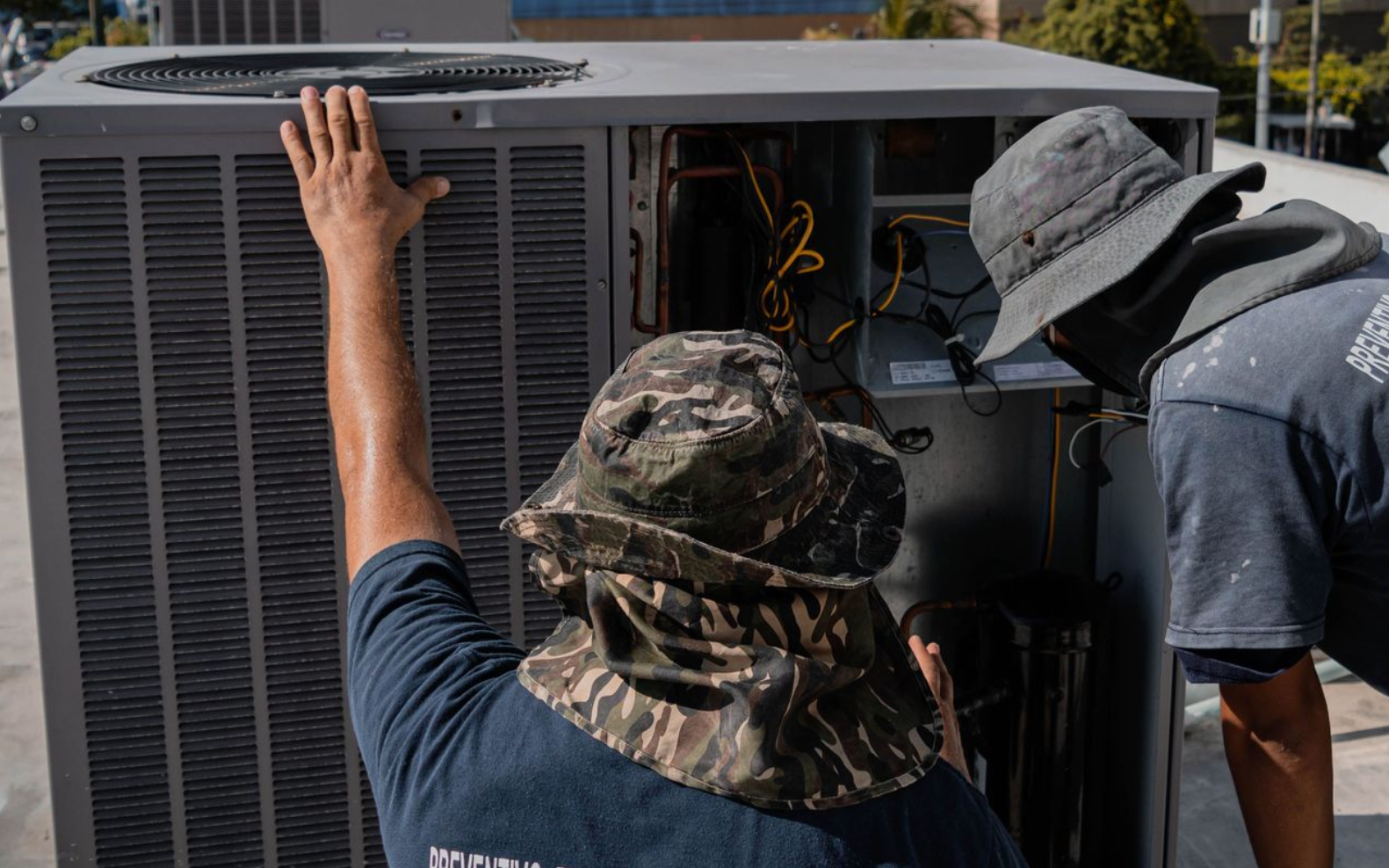
Compare AC repair and replacement factors for Sacramento homes, including diagnosis, repair history, comfort, sizing, and equipment condition.
Learn why an AC may run without cooling, which symptoms matter, and when to request professional AC repair in Sacramento.