
(916) 390-0025






When Is Air-Duct Cleaning Actually Necessary?
September 18, 2026
A Practical Guide to Dust, Odors, Airflow, and Professional Duct Inspection
Air-duct cleaning can be useful in specific situations, but it is not an automatic cure for every dust, odor, airflow, or indoor-air complaint. A good decision starts with an inspection and a clear understanding of the source of the problem.
Duct cleaning is not routine for every property
The U.S. Environmental Protection Agency advises considering duct cleaning as needed rather than assuming every system requires it on a fixed schedule. The condition of the duct system, recent construction, pests, moisture, visible contamination, and debris entering occupied spaces are more useful factors than a calendar alone.
Situations that may justify an inspection
Visible debris or dust released from registers
If particles are visibly blowing from supply registers, the source should be identified. The issue may involve debris inside ducts, a damaged or poorly fitting filter, contamination near the air handler, return-air leaks, or renovation dust.
Evidence of pests
Rodents or insects in ductwork require more than surface cleaning. Pest entry points should be addressed and affected materials evaluated. Flexible duct or insulation that is damaged or contaminated may need repair or replacement rather than cleaning alone.
Moisture or suspected microbial growth
Moisture is the condition that must be corrected. A leaking roof, plumbing problem, condensate issue, humid crawlspace, or poorly insulated duct can lead to recurring contamination. Materials that cannot be adequately cleaned may need replacement. Claims about mold should be based on appropriate evaluation, not appearance alone.
Heavy debris after construction
Cutting, sanding, demolition, and remodeling can create fine debris. Registers should be protected during construction, and the HVAC system should not be used in a way that pulls uncontrolled dust into returns. If debris entered the system, an inspection can help define an appropriate scope.
Unexplained odors
An odor may come from ducts, but it may also originate at the filter, drain pan, insulation, equipment cabinet, electrical components, pests, or another part of the building. Cleaning without locating the source may not solve the complaint.
When duct cleaning may not solve the problem
Dust on furniture does not automatically mean the ducts are dirty. Indoor dust can come from open doors, clothing, pets, outdoor air, construction, carpets, and normal occupancy. Weak airflow can involve filters, blower operation, closed dampers, undersized or damaged ducts, blocked returns, or equipment problems. Uneven temperatures can involve insulation, building exposure, duct design, leakage, balancing, or system sizing.
What a professional duct inspection should cover
A useful inspection should identify the duct materials and accessible components, look for damaged sections and disconnected joints, evaluate visible debris or contamination, note moisture sources, consider filter fit and return-air pathways, and explain which areas can actually be accessed and cleaned.
Before approving work, ask:
- What condition did the inspection find?
- What is the likely source?
- Which ducts and HVAC components are included?
- How will the home or business be protected during the work?
- How will loosened debris be contained and removed?
- Are damaged, wet, or contaminated materials better repaired or replaced?
- What steps will reduce the chance of recurrence?
Be careful with broad health or chemical claims
No contractor should promise that duct cleaning will cure a medical condition or eliminate every indoor-air concern. Ask for the name, purpose, safety information, and product label before any sanitizer, biocide, sealant, or coating is proposed. Such products should not be treated as a substitute for correcting moisture, pest, filtration, or duct-damage problems.
Duct cleaning and water intrusion
If a roof leak, plumbing failure, condensate backup, or other water event affected ductwork or nearby building materials, prompt moisture control matters. The first priority is stopping the source and evaluating what became wet. Porous insulation and duct materials may not be suitable for cleaning after significant contamination. The correct approach depends on the materials, the extent of water exposure, and the time involved.
Duct cleaning in Sacramento and surrounding communities
Capital City Comfort provides duct inspection and duct-cleaning services along with HVAC repair, maintenance, installation, and replacement throughout its listed service area. For water-related concerns, review the Water Mitigation Sacramento page as well as the Duct Cleaning Sacramento page on CapitalCityComfort.com. Call (916) 390-0025 to confirm service for your address and discuss the conditions you observed. California contractor license #1071686.
Frequently asked questions
How often should air ducts be cleaned?
There is no single interval that fits every property. Inspection findings, pests, moisture, construction debris, visible material, and system condition should guide the decision.
Will duct cleaning improve airflow?
It may help if accessible debris is materially restricting airflow, but many airflow problems involve filters, blowers, duct design, damage, leakage, or closed components. Diagnosis comes first.
Should wet duct insulation be cleaned?
Some wet or contaminated porous materials may need replacement. The moisture source must be corrected before cleaning or repairs are considered complete.
Can duct cleaning remove every odor?
No. Odors can originate in many parts of the HVAC system or building. The source should be identified so the proposed work addresses the actual cause.
Build a Clear Ductwork Assessment Request
The most useful request starts with an observation rather than a conclusion. “Dust appeared at this supply register after remodeling” tells a service company more than “all the ducts must be dirty.” Write down what you noticed, where it appeared, and when it began. This helps the assessment focus on the concern without deciding the remedy before the system has been reviewed.
Describe location and timing
Identify the room and whether the concern is near a supply register, return grille, equipment area, or another part of the building. Note whether it happens only while the HVAC system operates or also when it is off. If several rooms are affected, list them. If it happened once, say that rather than describing it as a continuous problem.
A photograph of an accessible area may help explain the observation. Do not reach into ducts, remove unfamiliar materials, or enter a difficult attic or crawl space to collect evidence. The company can explain what can be evaluated during the visit and whether another specialist is needed.
Record recent changes
Remodeling, flooring work, a move, water intrusion, pest activity, or an equipment replacement may provide useful context. List what happened and approximately when. Also mention a recent filter change or a room that has been used differently. These events are possible clues, not proof of a particular cause.
If another contractor has already assessed the issue, keep that written description available. Ask the current provider to explain any different conclusion. Clear records make it easier to distinguish a new observation from a condition that was previously repaired or ruled out.
Separate the concerns you want addressed
A customer may report dust, a warm room, and an odor at the same visit. Those concerns may be related, but they may also require different assessments. List each one separately and ask which part of the proposed work addresses it. This prevents a cleaning estimate from being understood as a promise to fix every comfort concern.
If the main issue is weak heating or cooling, describe the equipment's operation as well as the duct observation. The appropriate starting point may include HVAC diagnosis. If the concern is a visible material or possible contamination, ask what evaluation is needed before its identity or treatment can be established.
Review the Proposed Scope in Detail
Identify the system and included areas
For a property with more than one HVAC system, confirm which system the estimate covers. Ask whether both supply and return sections are included and how accessible components are identified. Room names, equipment locations, and a written description are more useful than a broad phrase that could mean different things to different people.
If some sections cannot be accessed, ask the provider to describe those limitations. Find out whether additional access is being proposed, whether related finish work is included, and how the limitation affects the expected result. Do not assume that work on a visible register means every concealed section has been evaluated.
Discuss the condition of the materials
Ask what duct materials are present and whether their condition affects the proposed method. A system can contain more than one type of material. The relevant question is whether the proposed work is suitable for the actual installation, including any fragile or damaged sections.
If replacement or repair is recommended, request an explanation of the condition that supports it and a separate description of the work. Cleaning and repairing ductwork are different tasks. The estimate should make that distinction clear so you understand which problem each task is intended to address.
Ask how the work area will be managed
Discuss access routes, furniture, pets, work areas, and any surfaces requiring special coordination. Ask what you should move before the visit and what should be left for the crew. For a business, explain operating hours, occupied rooms, and any access restrictions that could affect the work.
Ask the provider to explain the proposed process, including how debris will be handled and what interruptions to expect. You do not need to select the tools or supervise technical methods yourself. You do need enough information to understand the service and plan the property accordingly.
Make additional-work decisions explicit
Some conditions are discovered only after access is available. Ask how findings will be documented, who will be contacted, and how any additional cost will be approved. Identify the authorized decision-maker before the visit, especially for a rental property or a business with a separate facilities contact.
If an estimate changes, request a clear description of the revision. Keep the original scope and the approved change together. This helps avoid confusion about whether a repair, additional area, or separate service was included in the initial price.
Common Situations and Useful Next Questions
Dust appeared after renovation
Tell the company what work took place, which rooms were involved, and whether the project is complete. Ask whether the observed material can be connected to an accessible part of the system and what assessment is appropriate. If dusty work is still underway, discuss timing so the service plan accounts for the ongoing project.
Keep the construction history factual. You do not need to prove who introduced the material before requesting an evaluation. The immediate goal is to understand the current condition and agree on a suitable scope.
A newly purchased home has an unknown service history
Unknown history alone does not establish that cleaning is necessary. Gather any inspection notes, available HVAC records, and specific observations from the property. Ask what can be evaluated and which findings would support cleaning, repair, or another service.
Use the visit to build an equipment record for future care. Note the filter information, system locations, and any follow-up recommendations. That record may be more useful over time than assuming every previous maintenance task was missed.
An odor returns after cleaning
Record where the odor occurs, when it is strongest, and whether it changes with system operation or weather. Share the prior work description. Ask whether the source has been established or whether another part of the building needs evaluation.
A recurring complaint is a reason to review the diagnosis, not automatically to repeat the same service. Discuss what additional information would distinguish the possible causes and who is qualified to evaluate them.
A room still has weak airflow
Ask whether the original cleaning scope was intended to address the airflow concern and what evidence supported that expectation. If airflow remains weak, equipment operation, duct condition, or another distribution issue may need assessment. Describe whether the concern is constant or changes when doors are open or closed.
A clear follow-up separates the completed cleaning work from any unresolved performance question. Keep both concerns documented so the next recommendation is based on the actual remaining issue.
Keep a Useful Record After Service
Ask for a description of the areas addressed, any access limitations, and any recommendations that remain. If the provider supplies photographs, ask which part of the system each image shows. Keep the estimate, completed work description, and approved changes together.
Record any unresolved concern in plain language. For example, note that a particular room still feels warm in the afternoon or that an odor appears only at startup. Avoid turning a general impression into a technical conclusion. Specific observations make a later conversation more productive.
Questions about health claims
A cleaning service should not be presented as a guaranteed treatment for a medical condition. If you have symptoms you believe may be related to the building, discuss them with a healthcare professional. For the limits of duct-cleaning evidence and questions to ask providers, read EPA's guide to air-duct cleaning.
Questions about products or treatments
If a chemical treatment or coating is proposed, ask for the product name, purpose, label information, and explanation of why it is appropriate for the specific materials and condition. Review the proposal before authorizing it. A treatment should not substitute for identifying and addressing the source of a recurring issue.
Questions about cost
Compare the included system, accessible areas, related components, exclusions, and any proposed repairs. Two estimates may cover different work even if both use the phrase “duct cleaning.” Capital City Comfort uses flat-rate, upfront pricing with no hourly fee; ask for the scope to be explained before you decide.
To discuss your property, call (916) 390-0025 or visit Duct Cleaning Sacramento. Share the address, property type, observed condition, and relevant recent work. We can discuss the appropriate next step and confirm current availability.

Buying a furnace filter for your Sacramento home? Learn how to check size, MERV compatibility, airflow direction, and when your filter needs replacement.
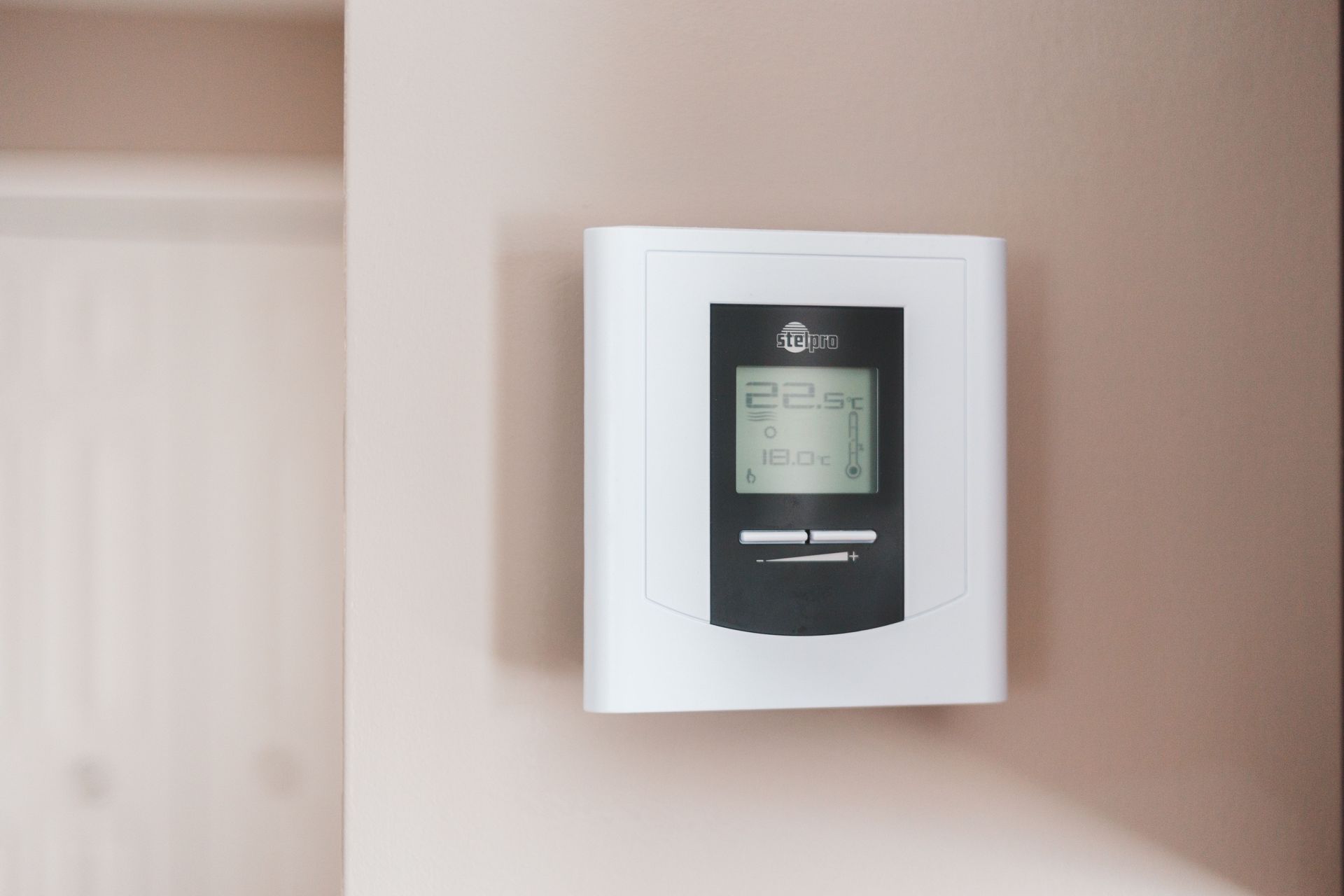
Heat in the morning, AC in the afternoon? Learn how thermostat modes, schedules, and fan settings can help Sacramento homes manage fall comfort.
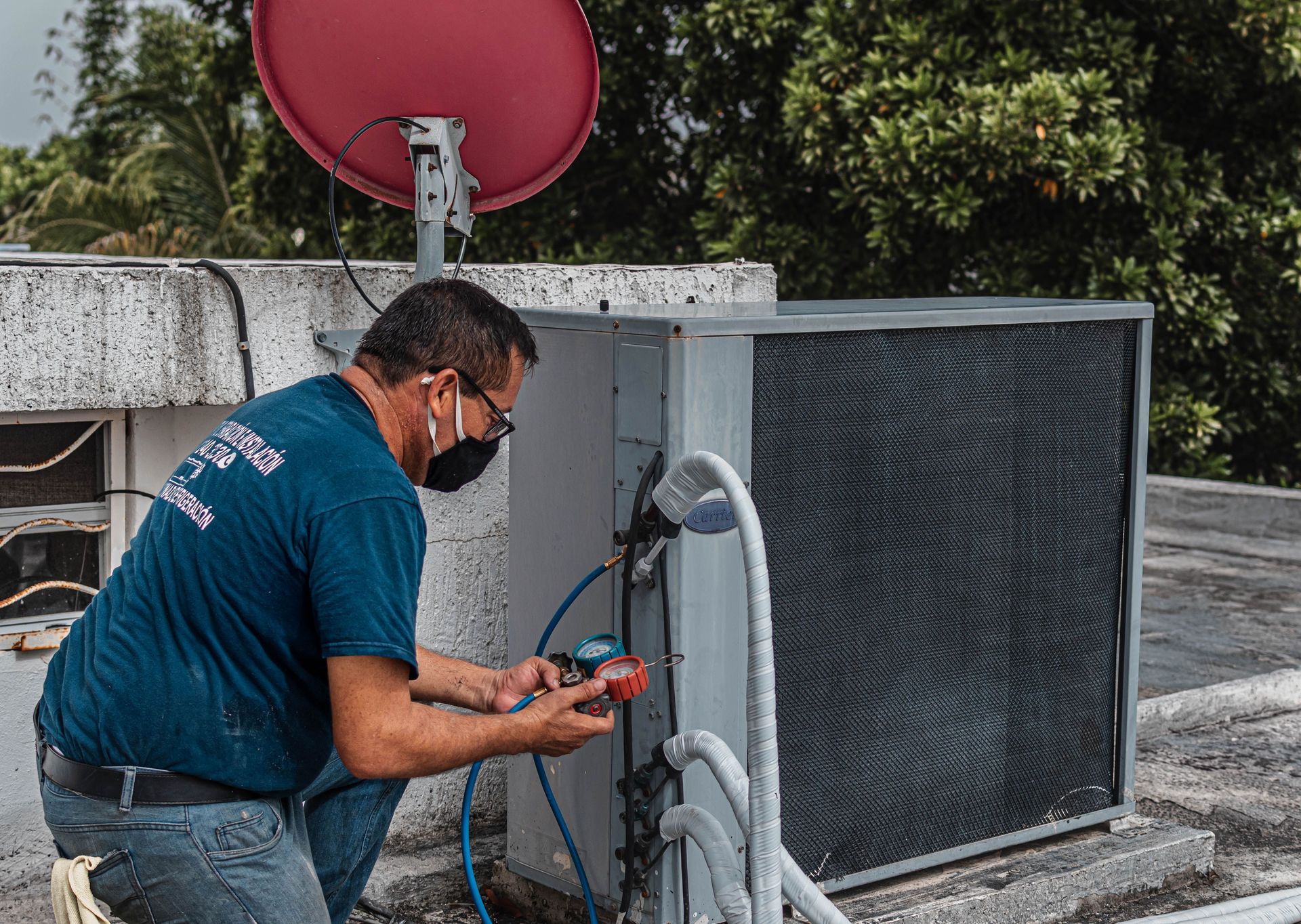
AC repair in Sacramento: learn common cooling symptoms, safe homeowner checks, what a thorough diagnosis includes, and how to weigh repair versus replacement.
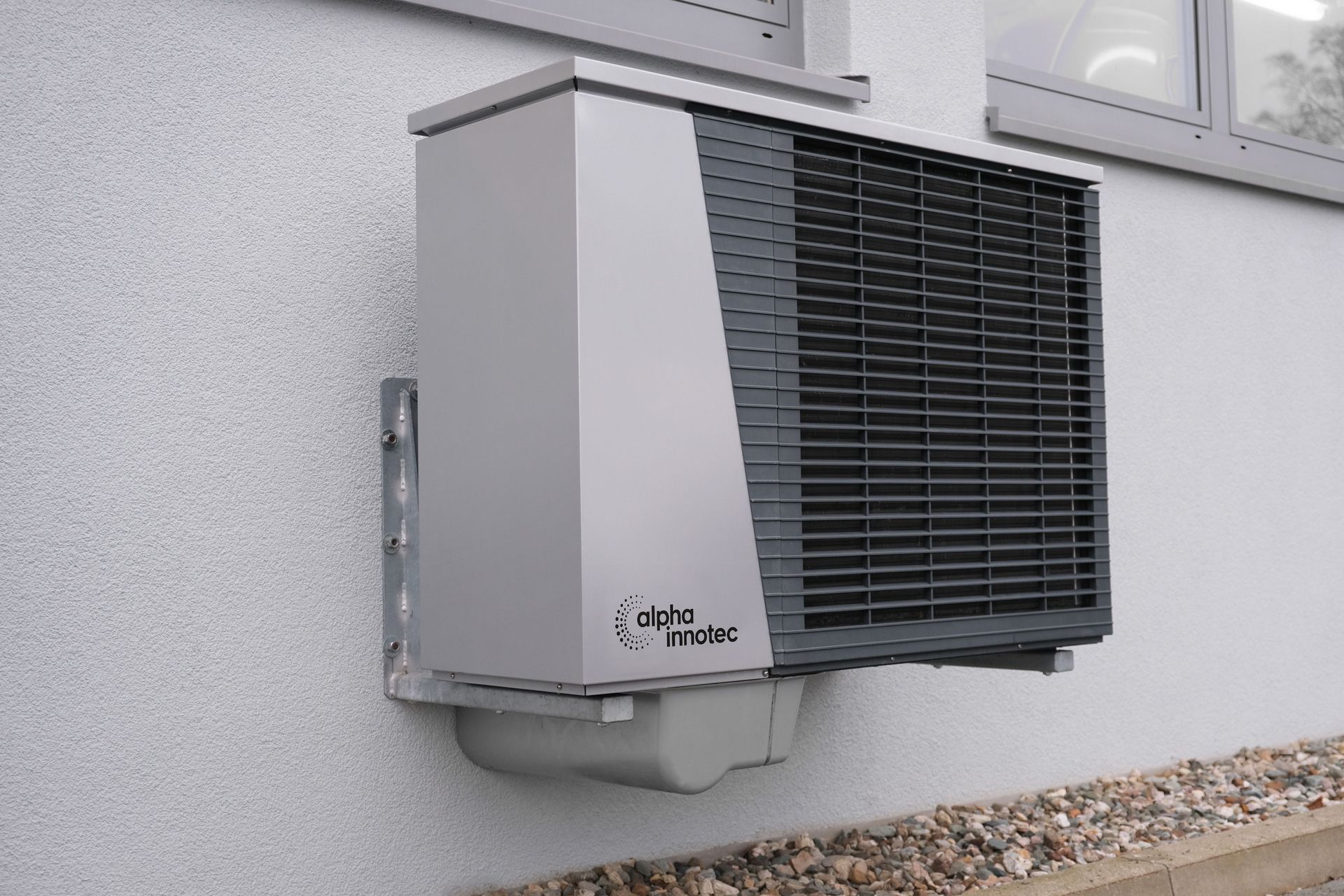
Should you cover an outdoor AC unit during Sacramento’s rainy season? Learn what to check, why heat pumps are different, and how to prevent debris problems.
One Sacramento room hotter or colder than the rest? Learn what to check, what airflow problems may mean, and when to request HVAC diagnosis.
Planning a heat pump installation in Sacramento? Ask about sizing, ducts, electrical needs, written scope, and startup testing before choosing your system.
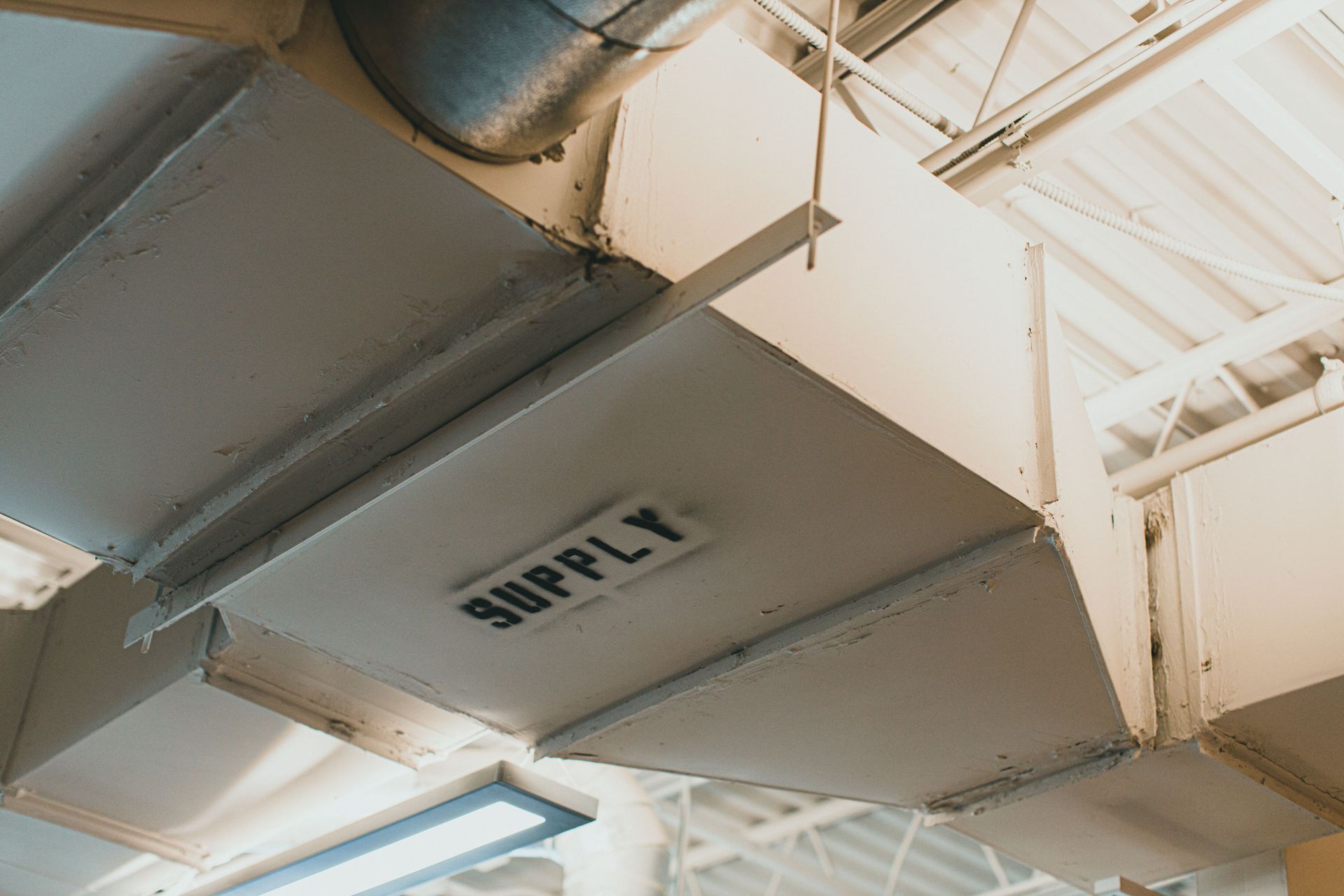
Should you run your AC during wildfire smoke in Sacramento? Learn about compatible filters, recirculation settings, cleaner-air rooms, and when to get help.
Use this Sacramento furnace startup checklist to identify airflow, thermostat, noise, odor, and heating concerns before colder weather arrives.
Compare AC repair and replacement factors for Sacramento homes, including diagnosis, repair history, comfort, sizing, and equipment condition.
Learn why an AC may run without cooling, which symptoms matter, and when to request professional AC repair in Sacramento.