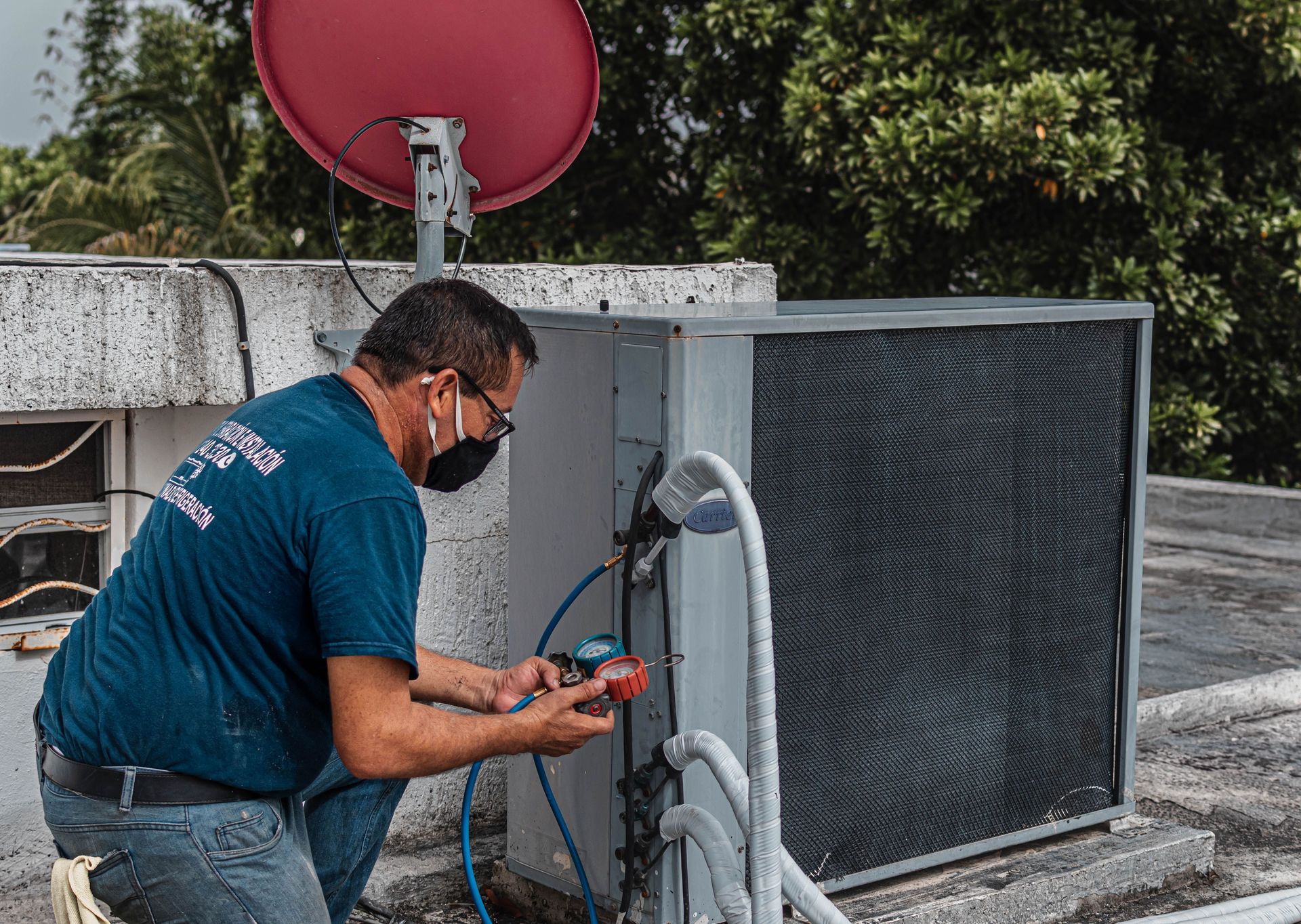


When Sacramento’s hottest weather gives way to cooler nights, falling leaves, wind, and rain, property owners often wonder whether the outdoor air-conditioning unit should be wrapped for the season. The safest answer depends on what equipment you have, where it is installed, and what the manufacturer permits.
Most outdoor HVAC equipment is built to remain outdoors. A cover is not a substitute for maintenance, and a tightly wrapped unit can create its own problems. Heat pumps require special attention because the outdoor unit may run during heating season.
First, Identify Whether It Is an Air Conditioner or a Heat Pump
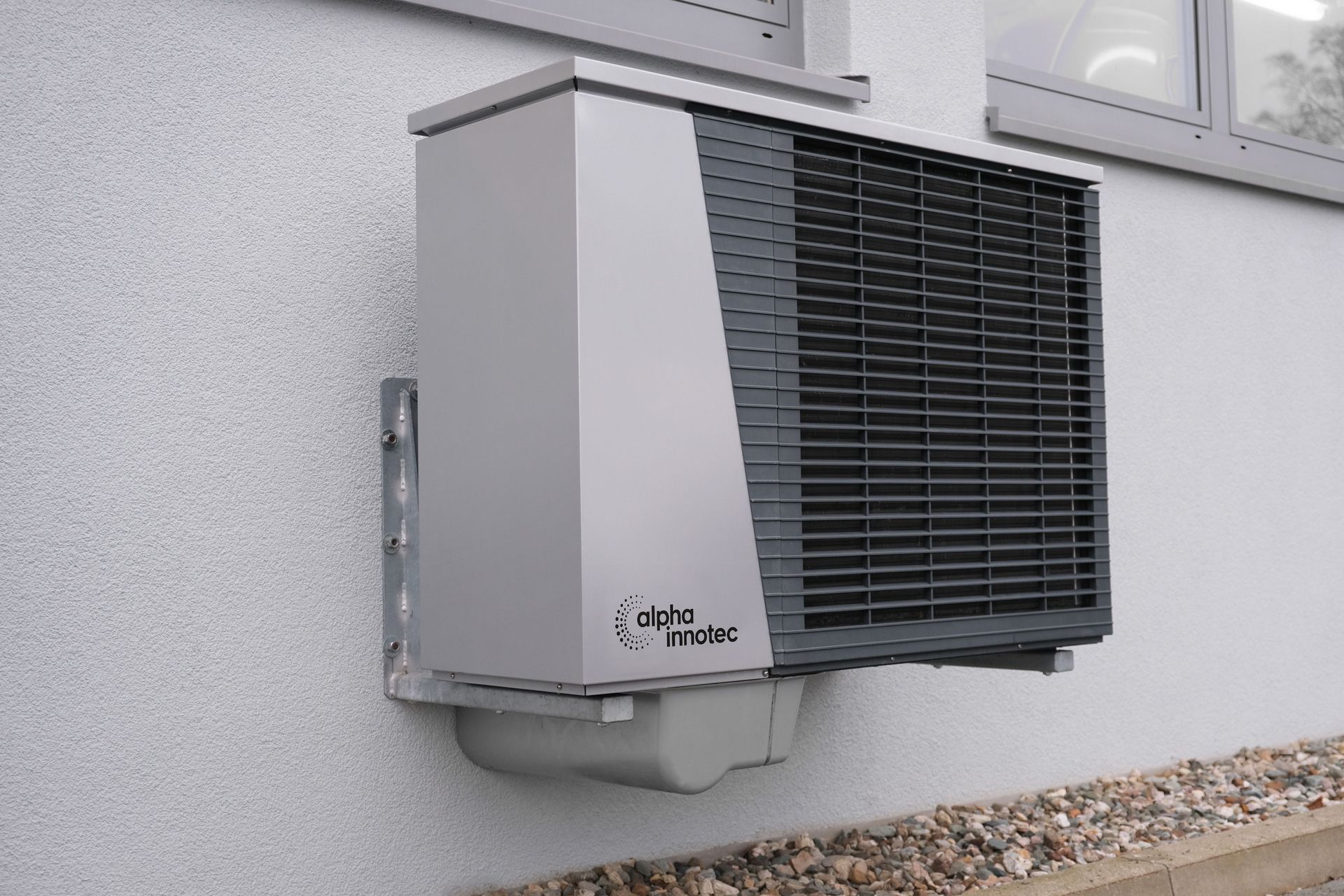
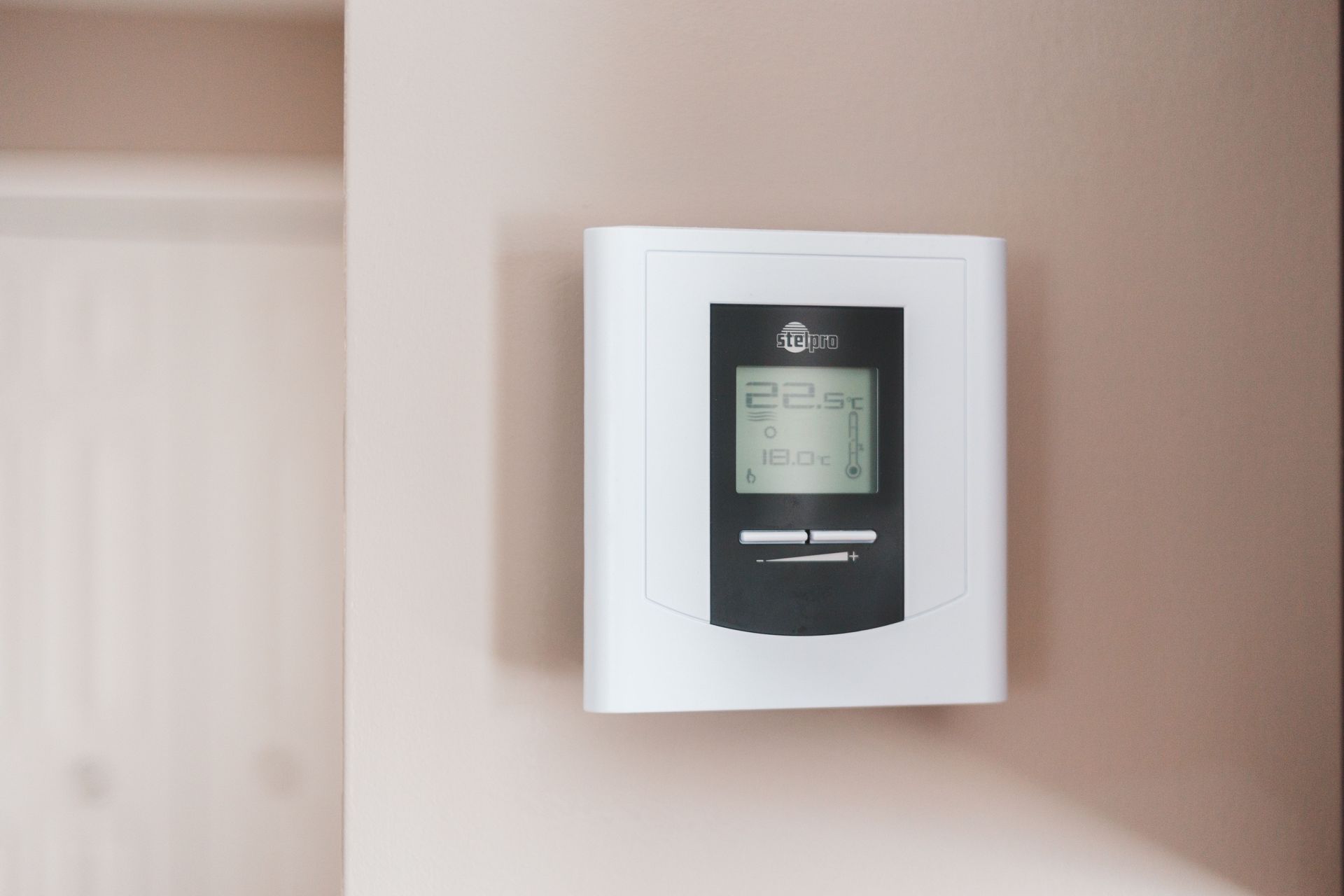
A central air conditioner’s outdoor unit normally operates during cooling. A heat pump uses an outdoor unit for both cooling and heating, so it may run on cold days even when the thermostat is set to heat.
Do not wrap or obstruct an operating heat pump. Restricted airflow can interfere with operation. If you are not sure which system you have, check the model information, thermostat modes, equipment documents, or ask an HVAC technician before placing anything over the unit.
Why a Full Plastic Wrap Is Usually a Poor Default
A full, non-breathable wrap can hold moisture against the cabinet, limit drying, and create sheltered space for pests. It may also be forgotten when cooling is needed again. Sacramento can have warm spells outside the traditional cooling season, so an unavailable outdoor unit can become a problem unexpectedly.
Before using any cover, read the equipment manufacturer’s instructions. Use only a compatible accessory or approach that does not block required airflow, drainage, or service access. Do not assume that a generic tarp is suitable for every model. Remove any seasonal storage cover before operating the unit. An accessory specifically approved for operation is different from a storage cover.
Focus on Leaves, Twigs, and Yard Debris
For many Sacramento properties, falling debris is a more practical concern than cold weather itself. Leaves and twigs can collect around the cabinet or enter through the top grille. Vegetation can also grow too close to the coil and restrict airflow when the system is used again.
Use these low-risk steps:
- Turn the system off at the thermostat before working nearby.
- Pick up loose leaves and debris around the outside of the cabinet.
- Trim vegetation without striking the coil or refrigerant lines.
- Keep drainage paths around the equipment clear.
- Do not insert tools through the grille or bend the thin coil fins.
- Do not stack furniture, planters, firewood, or storage against the unit.
Turning the thermostat off does not isolate electrical power. Keep hands and tools outside the cabinet and leave internal work to a qualified technician. If debris has entered the cabinet, the coil is packed with dirt, or the grille is damaged, schedule service instead of dismantling the unit.
When Limited Top Protection May Be Worth Discussing
An outdoor unit located directly below a tree, roof edge, or another source of falling material may need more protection than a unit in an open area. In that situation, ask whether the manufacturer offers an approved top shield or other accessory for the specific model.
The goal is to reduce impact from debris without enclosing the sides or trapping moisture. Any protection must remain secure in wind and must not interfere with heat-pump operation. A makeshift board, tarp, or loose cover can become a hazard or damage the cabinet.
Rain Is Not the Same as Flooding or Irrigation Spray
Normal rain exposure and standing water are different conditions. Check whether soil, mulch, or landscaping directs water toward the equipment pad. Sprinklers should not repeatedly spray the cabinet or coil, and roof runoff should not discharge onto the unit.
If water rises around electrical components, the pad shifts, or the unit sits in standing water, do not operate or open the equipment. Keep clear and request professional evaluation. For active flooding or an electrical hazard, prioritize personal safety and follow emergency guidance from the appropriate utility or public agency.
Do Not Forget the Indoor Side of the System
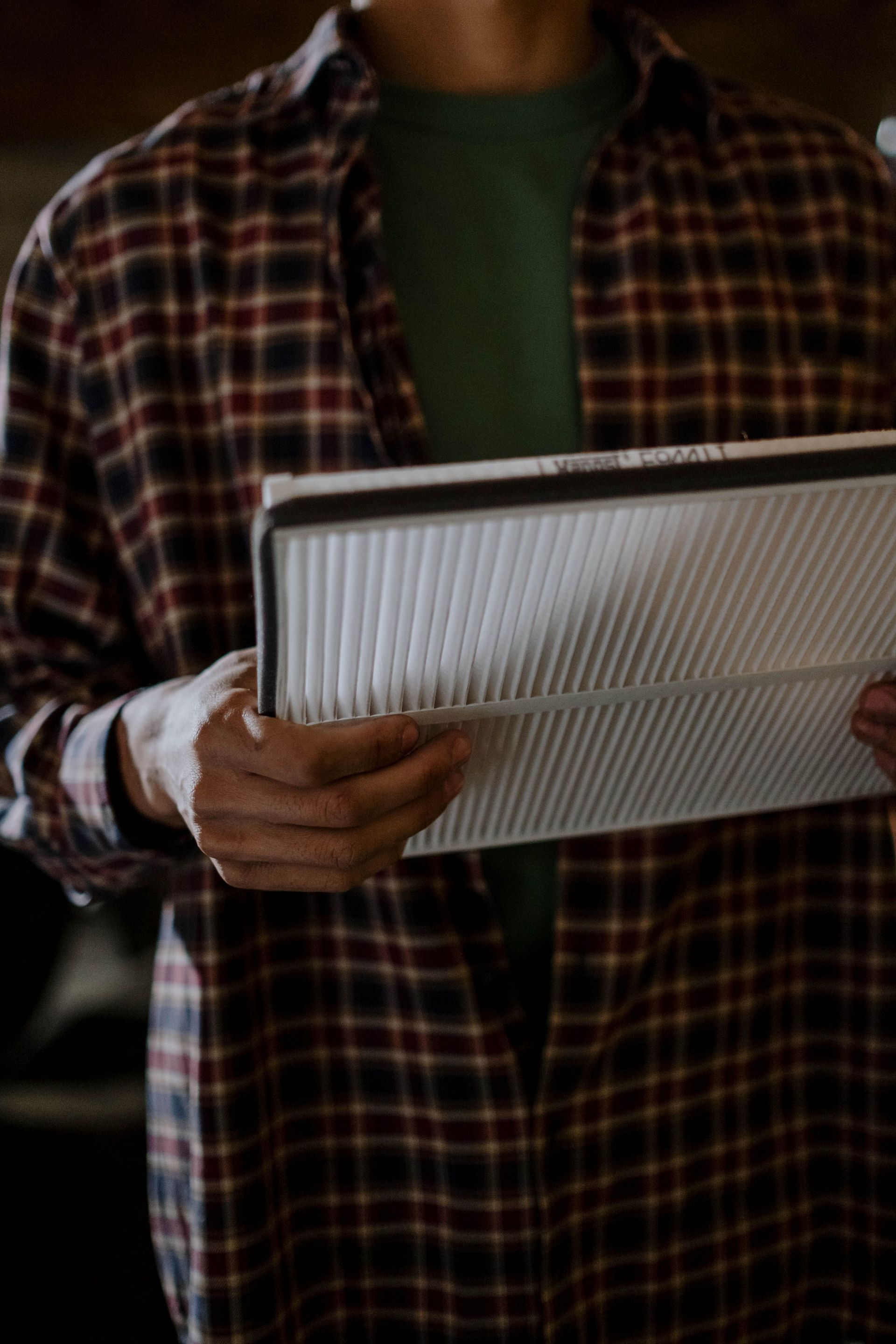
Outdoor cleanup is only one part of seasonal care. Check the indoor filter and follow the correct replacement instructions for your equipment. Make sure supply and return grilles are not blocked. Look for water near the indoor unit and note unusual noises, odors, or repeated starts and stops.
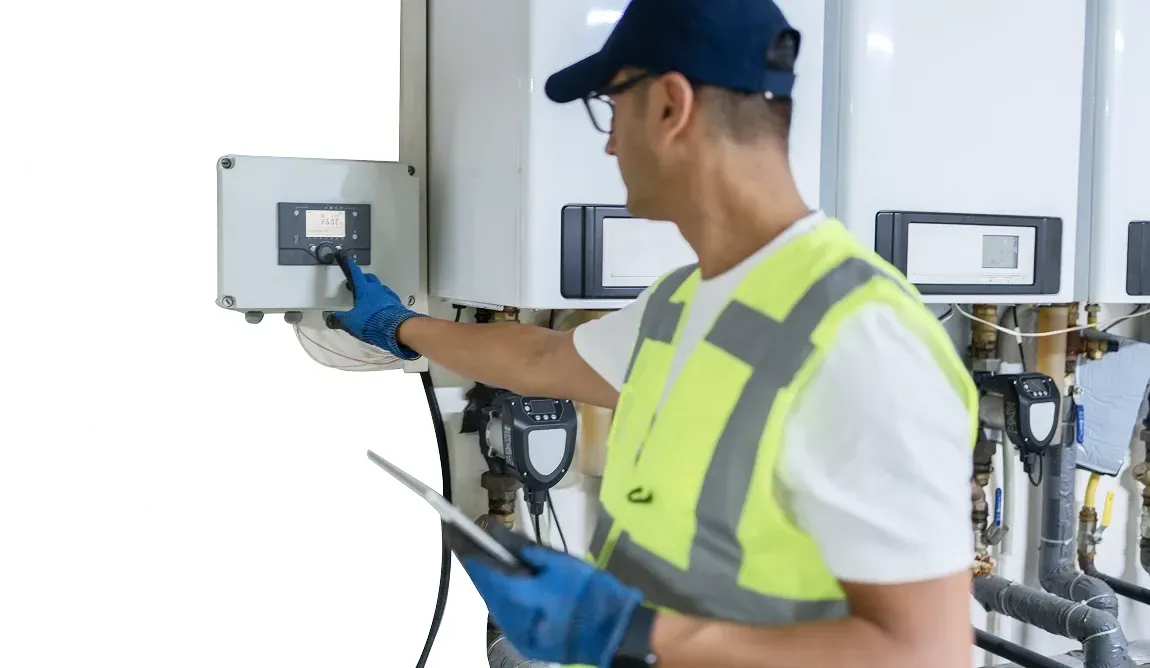
ENERGY STAR’s maintenance guidance includes checking thermostat settings, electrical connections, controls, condensate drainage, coils, refrigerant level, and blower airflow. Several of those checks require trained service rather than a homeowner opening the cabinet.
A Simple Sacramento Fall Checklist
- Confirm whether the outdoor equipment is an AC-only condenser or a heat pump.
- Review the manufacturer’s instructions before adding a cover or accessory.
- Remove loose leaves and debris from the surrounding area.
- Keep vegetation, storage, and yard materials away from the cabinet.
- Redirect sprinklers and roof runoff away from the equipment.
- Inspect the visible pad and refrigerant-line covering for damage.
- Check the indoor filter and unobstructed grilles.
- Schedule service for damaged wiring, repeated breaker trips, standing water, unusual sounds, or a unit that does not operate normally. Do not touch damaged wiring or keep resetting a tripping breaker.
Frequently Asked Questions
Does Sacramento rain damage an outdoor AC unit?
Outdoor units are intended for outdoor installation, but drainage, placement, debris, irrigation spray, and flooding conditions still matter. Do not enclose the unit simply because rain is expected. Follow the manufacturer’s instructions and address standing water or runoff problems separately.
Can I put a tarp over the unit for winter?
A tight or non-breathable tarp is not a good default. It may trap moisture, move in the wind, shelter pests, or be left in place when the system is turned on. Use only a model-appropriate approach allowed by the manufacturer.
Should I cover a heat pump?
Do not obstruct a heat pump that may operate in heating mode. If falling debris is a concern, ask about an approved accessory or another solution that preserves required airflow.
Can I hose out leaves inside the outdoor unit?
Do not spray electrical areas or disassemble the unit without the correct procedure. Remove only loose debris that is safely accessible from outside. If material is lodged inside the cabinet or coil, request maintenance.
When should I schedule outdoor-unit maintenance?
Schedule service if airflow is obstructed, the coil is heavily soiled, the cabinet or grille is damaged, water collects around the unit, wiring appears damaged, or the system makes unusual sounds or does not start normally. Pre-season maintenance can also identify concerns before regular cooling use resumes.
Need Help Preparing Your HVAC Equipment for the Season?
Capital City Comfort provides residential and commercial HVAC repair and maintenance in Sacramento and surrounding communities. Call (916) 390-0025 at any hour to confirm service for your address. Service availability varies by address, equipment, project type, and scheduling.
Explore HVAC maintenance, AC repair, heating services, or our service areas. You can also request service online.