
(916) 390-0025






Is Steam Coming From My Sacramento Heat Pump Normal?
Admin Capital City Comfort • October 24, 2026
A white cloud rising from your outdoor heat pump on a cool, damp Sacramento morning can look alarming. It may be water vapor from a normal defrost cycle—not a breakdown. The important questions are whether the frost clears, the unit returns to heating, and the home stays comfortable.
This guide explains outdoor steam, temporary fan pauses, and ice. If your main concern is cool air at the indoor vents, see our related guide to a heat pump blowing cool air in heat mode.
Why Frost Forms on an Outdoor Heat Pump
In heating mode, a heat pump absorbs heat from outdoor air and moves it indoors. The outdoor coil can become colder than the surrounding air. Moisture may collect on that cold surface and freeze, so frost can form even when the outdoor air is above freezing.
Sacramento-area damp mornings can make this especially noticeable. A thin layer of frost is different from a coil buried in ice that stays there through repeated cycles.
What a Defrost Cycle Does
The system's controls temporarily change operation to warm the outdoor coil and melt accumulated frost. Depending on the equipment, the outdoor fan may stop, the operating sound may change, and water or a visible white cloud may appear. Some systems use supplemental heat to help maintain indoor comfort during the change.
The timing, indicators, and sequence vary by model and conditions. Follow your equipment manual rather than a universal timer, and do not try to force defrost through installer settings or internal controls.
Signs That Can Fit Normal Defrost
- Light frost forms during heating and then clears.
- The outdoor fan pauses briefly as the system changes operation.
- You hear a temporary change in the equipment's sound.
- Water drips from the outdoor unit as frost melts.
- A brief cloud of water vapor appears around the coil.
- Heating resumes and the system continues maintaining the indoor temperature.
A single observation cannot confirm that every component is working correctly. What matters is the complete sequence: frost forms, the system clears it, and normal operation returns.
Warning Signs That Deserve a Service Visit
Request a professional evaluation when you notice persistent thick ice, repeated defrost attempts that do not clear the coil, or a home that keeps losing temperature despite a reasonable thermostat setting. Other concerns include:
- The outdoor fan does not resume normal operation after the defrost sequence.
- Ice builds near the fan, refrigerant lines, wiring, or drainage path.
- Grinding, scraping, or repeated unusual noises occur.
- The system repeatedly trips a breaker or produces a burning smell.
- Auxiliary heat appears unusually persistent along with poor comfort.
These observations do not identify a single failed part. Airflow, drainage, controls, sensors, and other system conditions need to be checked in context. Do not assume the solution is adding refrigerant or replacing the equipment.
Five Things You Can Check Safely
1. Look for blocked outdoor airflow
From outside the equipment, check for leaves, bags, dense vegetation, or stored objects around the unit. Remove loose obstructions only when safe, without opening panels or reaching through a grille. Keep the clearances specified for your model; do not wrap an operating heat pump in a winter cover.
2. Check an accessible indoor filter
If you can reach the filter safely, follow the equipment instructions for checking and replacement. Use the correct size and an appropriate filter type. A more restrictive filter is not automatically better for every system. Do not operate the system without its required filter.
3. Review the thermostat
Confirm that the thermostat is in Heat mode and that a schedule, hold, or recent setting change is not causing confusion. Avoid repeatedly switching modes or raising the temperature by large amounts to force faster heating. Do not use Emergency Heat simply because you see a defrost cycle.
4. Observe the sequence from a safe distance
Note the outdoor conditions, approximate time, thermostat reading, and whether the frost clears and heating returns. A short photo or video taken from a safe location can help explain an intermittent symptom to a technician. Do not touch electrical components or use water to test the unit.
5. Look at the meltwater path
Defrost produces water. Note whether it can drain away or whether water collects and refreezes around the equipment or a walkway. Avoid slippery areas. Do not change the equipment base, drain arrangement, or electrical installation yourself.
What Not to Do With an Iced Heat Pump
Do not chip ice with tools, use boiling water, apply a flame or heat gun, remove panels, or bypass a safety control. These actions can damage coils, fan blades, wiring, or refrigerant lines.
If heavy ice appears to interfere with the fan, or an electrical-burning odor occurs, stop operation using the normal controls if it is safe to do so and arrange service. Do not repeatedly reset a tripped breaker. If there is smoke, fire, or another immediate danger, leave the area and call 911 from a safe location.
Steam Versus Smoke: Do Not Guess Around a Hazard
A brief white cloud during frost melting can be normal water vapor. Persistent smoke, an electrical or burning odor, visible sparks, or fire is not routine defrost. Do not stay close to investigate a possible fire. Keep people clear and contact emergency responders when appropriate.
Frequently Asked Questions
Can a heat pump need defrost when it is above freezing outside?
Yes. The outdoor coil can be colder than the surrounding air, allowing moisture on it to freeze even when the air temperature is above freezing.
Why does the outdoor fan stop?
On many systems, a temporary fan pause is part of defrost. A fan that fails to return to normal operation, especially with poor heating or continuing ice buildup, needs evaluation.
Is water underneath the unit normal?
Water can be normal as frost melts. Persistent pooling, blocked drainage, or ice creating a slip hazard deserves attention. The source and drainage arrangement matter.
Should I turn on Emergency Heat?
Not just because the heat pump is defrosting. Emergency Heat is not a routine defrost setting. Use it only as directed by your equipment instructions or a qualified technician for your system.
How much ice is too much?
Light frost that clears is different from thick ice that remains, spreads, or interferes with the fan. If the unit is not clearing itself or your home is not warming, schedule a diagnosis rather than waiting for a complete loss of heat.
Need Help With a Heat Pump in the Sacramento Area?
Capital City Comfort provides residential and commercial HVAC repair, maintenance, installation, and replacement. Call (916) 390-0025 at any hour to discuss the symptoms and confirm service availability. Have your address, equipment model if accessible, and observations ready. Availability varies by address, equipment, project type, and scheduling.
Explore our heating services, HVAC maintenance, and service areas, or request service online. For smoke, fire, or another immediate emergency, contact emergency responders first.
California contractor license #1071686.
Further Reading
Start with a practical Sacramento winter thermostat setting, then adjust it for your comfort, schedule, furnace, or heat pump without common mistakes.
Learn which first-use furnace odors may be temporary, which require immediate action, and when Sacramento property owners should request HVAC service.
Found water near your Sacramento furnace? Learn safe first steps, possible sources, and when HVAC repair and water mitigation may both be needed.
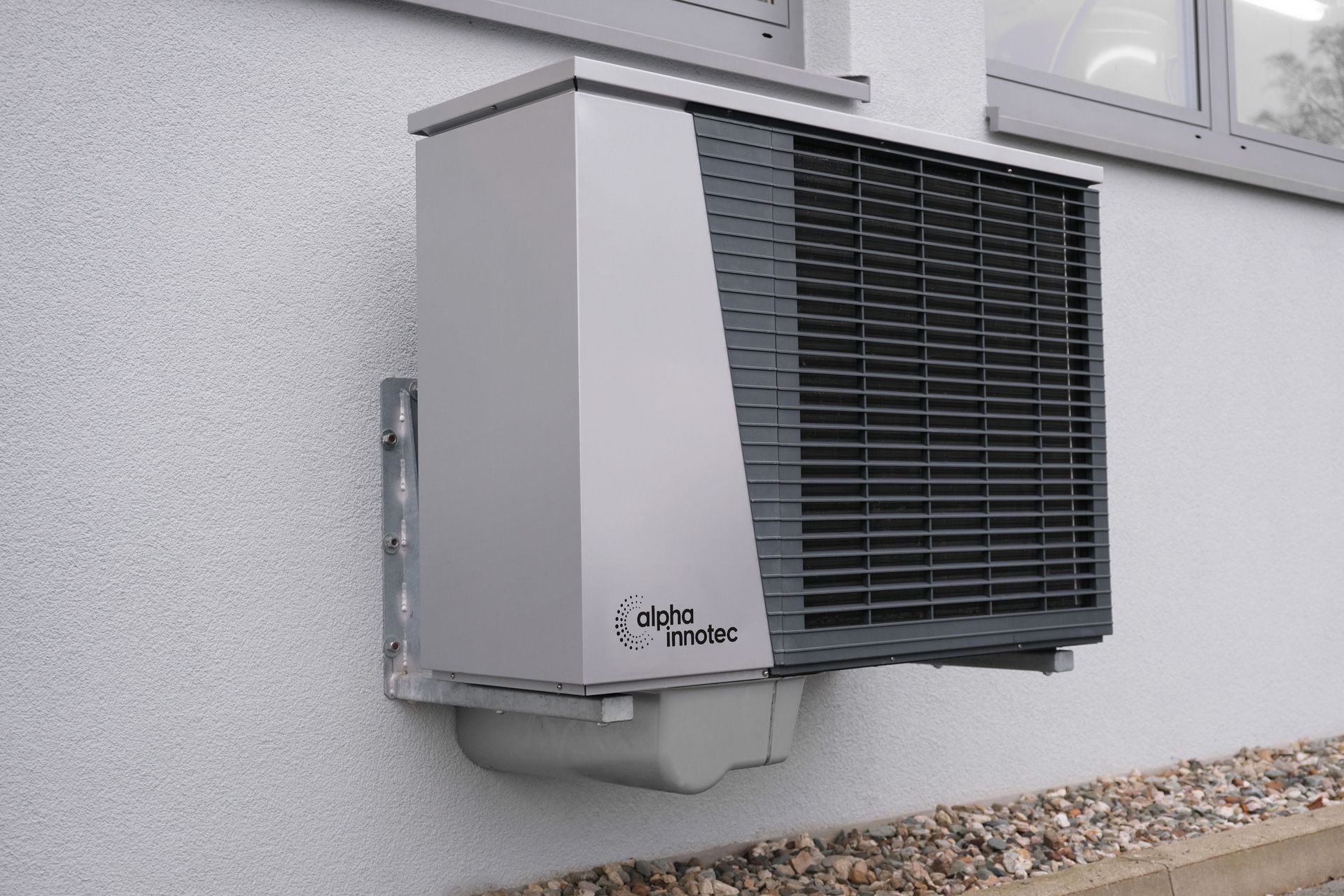
Heat pump blowing cool air in Sacramento? Learn how defrost differs from a heating problem, what to check safely, and when to request service.
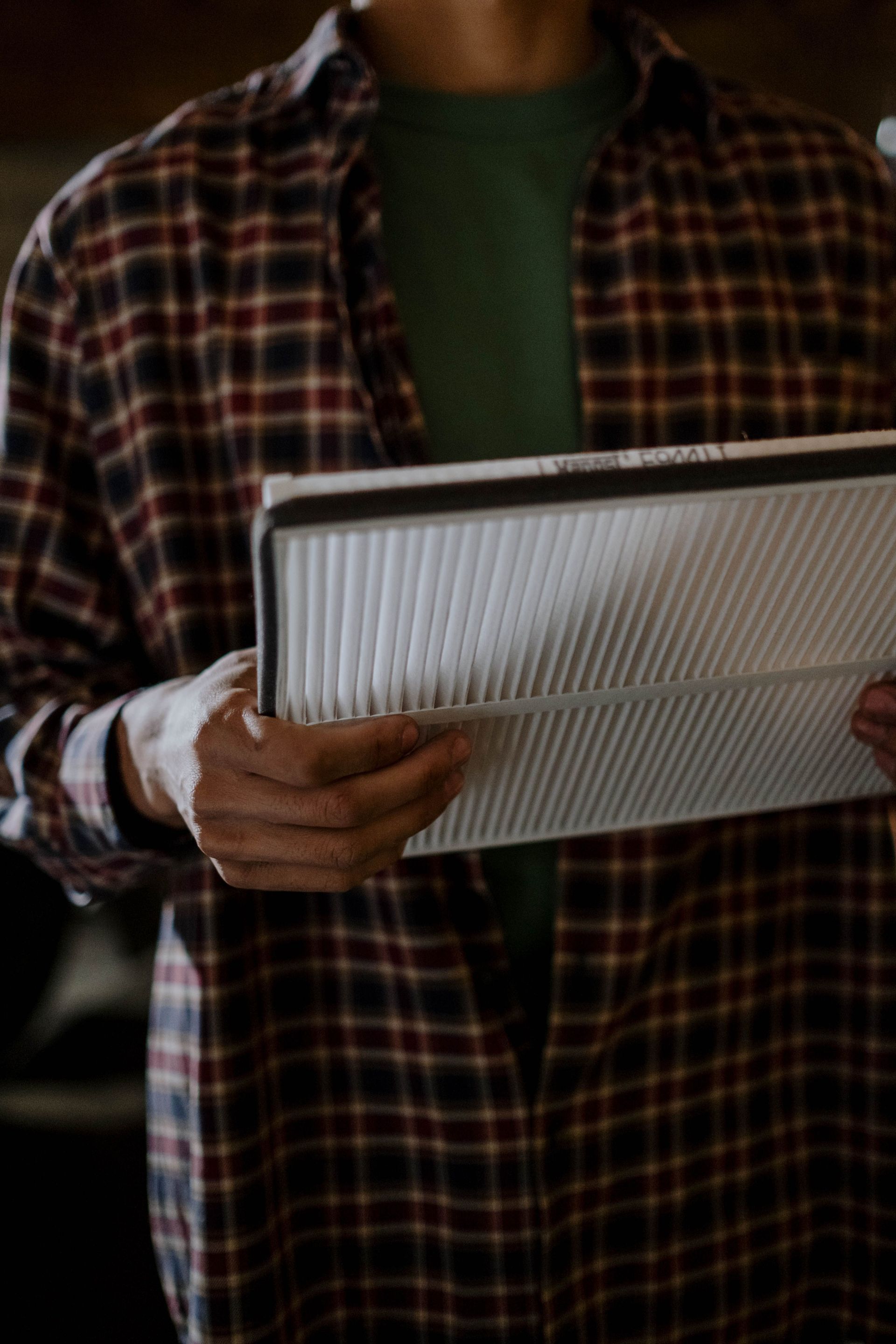
Buying a furnace filter for your Sacramento home? Learn how to check size, MERV compatibility, airflow direction, and when your filter needs replacement.
Heat in the morning, AC in the afternoon? Learn how thermostat modes, schedules, and fan settings can help Sacramento homes manage fall comfort.
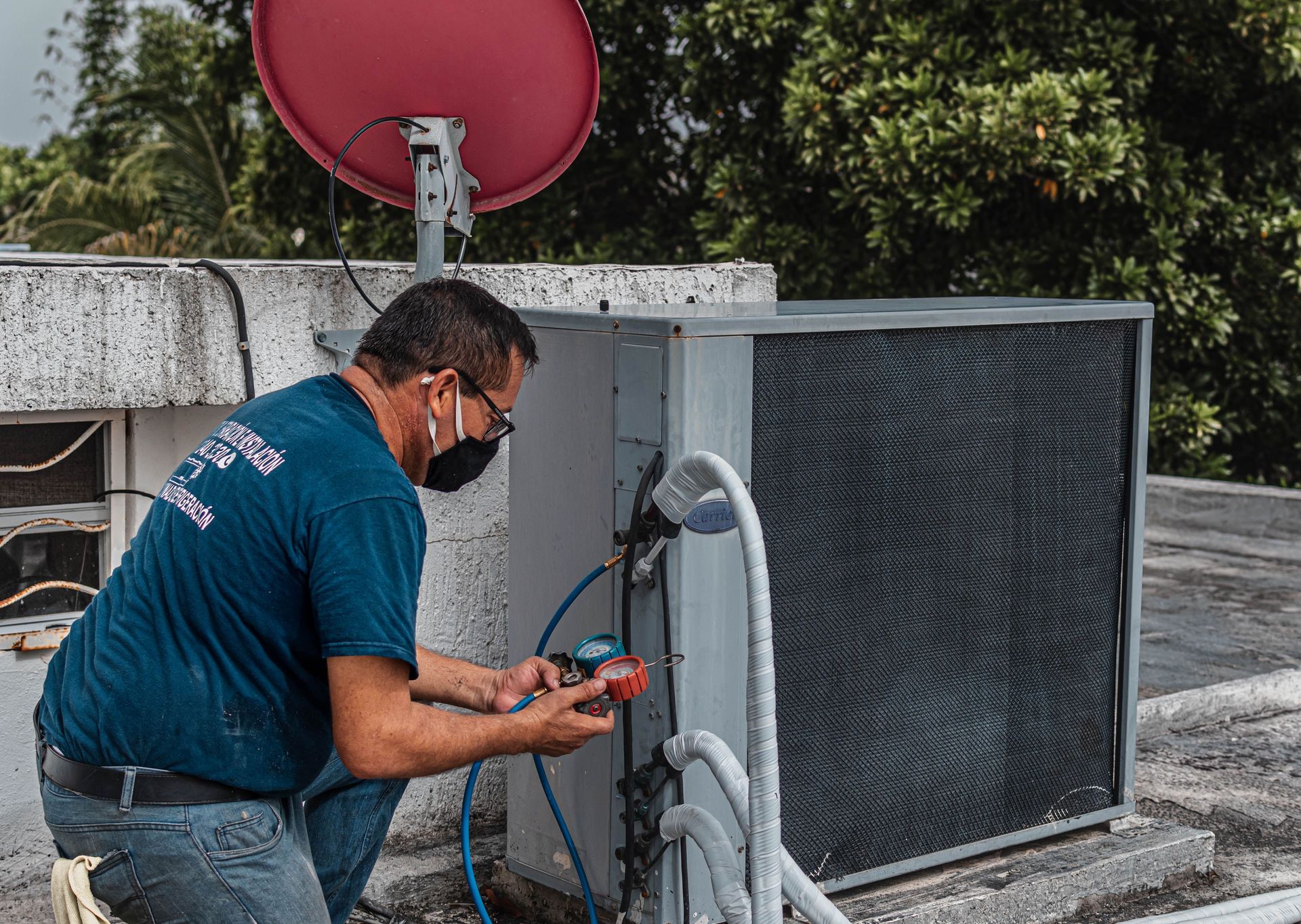
AC repair in Sacramento: learn common cooling symptoms, safe homeowner checks, what a thorough diagnosis includes, and how to weigh repair versus replacement.
Should you cover an outdoor AC unit during Sacramento’s rainy season? Learn what to check, why heat pumps are different, and how to prevent debris problems.
One Sacramento room hotter or colder than the rest? Learn what to check, what airflow problems may mean, and when to request HVAC diagnosis.
Planning a heat pump installation in Sacramento? Ask about sizing, ducts, electrical needs, written scope, and startup testing before choosing your system.