
(916) 390-0025






What Temperature Should You Set Your Thermostat in a Sacramento Winter?
Admin Capital City Comfort • October 24, 2026
Sacramento's heating season is usually milder than the winters in many parts of the country, but the temperature can still vary substantially between a sunny afternoon and a cold overnight period. That makes thermostat questions surprisingly common: Is 68°F the right setting? Should the temperature be lowered at night? Does a heat pump need a different schedule from a furnace?
A practical starting point for many homes is 68°F while people are home and awake, then adjusting one degree at a time for comfort. SMUD recommends 68°F or lower during fall, winter, and spring. That is a starting point, not a rule for every household. Health needs, age, pets, insulation, humidity, equipment type, and personal comfort all matter.
The most important distinction is the heating equipment. A furnace and a heat pump do not always respond to setbacks in the same way. If you are still switching between heating and cooling during mild afternoons, see our Sacramento fall thermostat guide. This article focuses on your winter heating routine.
Start With the Heating System, Not Just the Number
Before building a schedule, identify what heats the property.
Furnace
A furnace creates heat and distributes it through the duct system. Many furnace-equipped homes can use a lower setting during sleep or extended periods away, then recover when the schedule changes. How large a setback makes sense depends on the house, the furnace, and how quickly the space recovers.
Heat pump
A heat pump moves heat rather than producing it the same way a furnace does. ENERGY STAR advises maintaining a steady comfortable temperature for ductless heat pumps and using Heat mode rather than an automatic changeover mode during the heating season. A large temperature increase can also cause some central heat-pump systems to bring on auxiliary heat, depending on the equipment and controls.
Use the schedule recommended for the specific heat pump and thermostat. If the thermostat was replaced recently, confirm that it is compatible with the system and configured correctly.
Dual-fuel or hybrid system
A dual-fuel system combines a heat pump with a furnace. Its controls decide when to change heat sources based on system settings and outdoor conditions. Avoid changing installer settings without understanding the equipment. If the changeover seems wrong or comfort is inconsistent, schedule a diagnostic visit.
A Simple Starting Schedule for a Furnace-Heated Home
The schedule below is an example, not a requirement. Make small adjustments and observe comfort before making another change.
- Home and awake: Start near 68°F. Watch comfort, room-to-room differences, and run time.
- Sleeping: Try a modest reduction if comfortable. Watch for bedrooms becoming too cold or morning recovery taking too long.
- Away for several hours: Use a lower setting appropriate for the home. Consider pets, plants, plumbing, moisture, and expected outdoor temperatures.
- Returning home: Schedule recovery before arrival. Note long recovery, continuous operation, or failure to reach the setting.
A lower setting is not appropriate for every property or occupant. A home with vulnerable residents, sensitive pets, plumbing in exposed areas, or moisture concerns may need a higher minimum. When in doubt, choose a conservative setback and ask a qualified professional about the building and system.
A Better Starting Approach for a Heat Pump
For many heat pumps, a steady setting works better than a deep nighttime setback. Start with a comfortable temperature and keep changes small. Use the thermostat's heat-pump-specific scheduling features if available.
- Select Heat during heating season instead of a mode that automatically switches between heating and cooling.
- Leave the fan on Auto unless the system design or an indoor-air-quality plan calls for another setting.
- Make temperature changes gradually.
- Do not assume a schedule written for a gas furnace is right for a heat pump.
- Keep the outdoor unit clear so it can move air.
- Confirm that the thermostat supports the equipment stages and auxiliary heat.
An Aux Heat indicator is not automatically evidence of a malfunction. Some systems use supplemental heat during recovery, cold conditions, or defrost. If auxiliary heat runs for unusually long periods, appears during mild weather with poor comfort, or behaves differently from usual, arrange for diagnosis rather than repeatedly changing thermostat settings.
Why the Thermostat Setting and Room Temperature May Not Match
A thermostat displays the temperature at its location, not in every room. Several conditions can make the rest of the home feel different.
The thermostat is affected by its surroundings
Direct sun, a nearby supply register, exterior-wall drafts, lamps, electronics, or frequent door opening can influence the reading. Do not relocate a thermostat or alter wiring without confirming compatibility and the correct location.
Airflow is restricted
A dirty filter, blocked return, closed register, crowded mechanical closet, or duct problem can reduce airflow. ENERGY STAR recommends checking the filter monthly during heavy-use months and replacing it when dirty. Follow your equipment and filter instructions; the replacement interval depends on the filter, system, and household.
The home loses heat unevenly
Insulation, air leakage, windows, duct location, ceiling height, and sun exposure can cause some rooms to cool faster than others. Turning the thermostat much higher may overheat one area without solving the underlying imbalance. Our guide to one room being hotter or colder than the rest explains related comfort concerns.
The thermostat or system is not configured correctly
Incorrect equipment type, staging, fan control, or heat-pump settings can affect comfort and operation. This is especially important after a thermostat replacement or an HVAC system upgrade.
Five Adjustments to Try Before Calling for Service
If the system is heating but comfort is not quite right, and there are no emergency warning signs, use a controlled approach:
- Confirm the mode. Select Heat and verify that the setpoint is above the displayed room temperature.
- Remove an accidental hold. A permanent hold can prevent the programmed schedule from running.
- Check an accessible filter. Replace a visibly dirty disposable filter with the correct size and type, following the instructions. Do not operate the system without its required filter.
- Open the airflow path. Make sure return grilles and supply registers are not blocked by furniture, rugs, curtains, or stored items.
- Change only one setting at a time. Allow the home time to respond before making another change.
Do not open equipment panels, change control wiring, bypass safety devices, or change installer-level configuration as a troubleshooting shortcut.
When Higher Settings Do Not Solve the Problem
Raising the thermostat cannot correct every heating issue. Arrange for service if the system does not start after basic checks, runs but produces little or no heat, or cannot keep the indoor temperature from falling. Short cycling, persistent heavy outdoor-unit ice, repeated breaker trips, and unusual noises also deserve evaluation. Do not repeatedly reset a tripped breaker.
Emergency warning signs are different from routine comfort problems. If a carbon-monoxide alarm sounds, leave for fresh air immediately and call 911 from outside. If you smell gas or sulfur, leave without operating switches, the thermostat, or electrical devices; call your gas utility's emergency number or 911 from a safe location. For smoke or fire, leave and call 911. Do not re-enter until responders say it is safe or treat these situations as a thermostat problem.
Comfort Needs Come Before a Universal Number
No single setting is correct for every person. Older adults, infants, people with certain medical conditions, and other temperature-sensitive occupants may need a warmer environment. Follow guidance from a healthcare professional when health needs affect indoor temperature.
Also consider how the home is used. A home office occupied all day has a different schedule from an empty house. A two-story home may need airflow or balancing work rather than a more aggressive thermostat schedule. A commercial property may require zoning, occupancy schedules, and equipment controls different from residential recommendations.
Frequently Asked Questions
Is 68°F the best winter thermostat setting for Sacramento?
It is a practical starting point and matches SMUD's published non-summer guidance, but it is not mandatory. Adjust it gradually for the occupants, building, and equipment.
Should I turn the heat off when I leave for work?
A controlled setback is often more appropriate than turning the system completely off. The right minimum depends on the home, weather, pets, plumbing, moisture conditions, and heating equipment. Heat-pump owners should follow the schedule recommended for their system instead of automatically using a deep setback.
What is the best setting for a heat pump at night?
Many heat pumps perform well with a steady temperature or only a small change. ENERGY STAR advises a steady setting for ductless heat pumps. For a central heat pump, follow the equipment and thermostat guidance because controls and auxiliary-heat strategies vary.
Should the thermostat fan be set to On or Auto?
Auto is the usual starting point because the fan runs when the system calls for heating or cooling. Continuous fan operation may be appropriate for a particular ventilation, filtration, or comfort plan, but it can change energy use and how the air feels. Ask about the correct setting for your system if you are unsure.
Why does my heater run for a long time when it is cold outside?
Longer operation can be normal when outdoor temperatures fall, especially with variable-capacity equipment and heat pumps. It becomes more concerning when the home cannot reach the setpoint, airflow is weak, unusual noises or odors appear, or energy use changes sharply without an obvious weather or schedule explanation.
Will a smart thermostat lower my heating bill?
A compatible smart thermostat can make schedules and remote adjustments easier, but results depend on the home, system, settings, and behavior. Compatibility and correct configuration matter, particularly for heat pumps, staged equipment, and dual-fuel systems. Savings are not guaranteed.
Need Help With Heating Comfort or Thermostat Operation?
Capital City Comfort provides residential and commercial HVAC repair, maintenance, installation, and replacement in Sacramento and surrounding communities. Call (916) 390-0025 to describe the system, thermostat, symptoms, and property address. We are available 24/7 to discuss the concern and confirm service availability; appointment timing depends on the address, equipment, project, and schedule.
Learn about furnace repair, heating services, HVAC maintenance, and our service areas, or request service.
Capital City Comfort, Inc. — California contractor license #1071686.
Further Reading
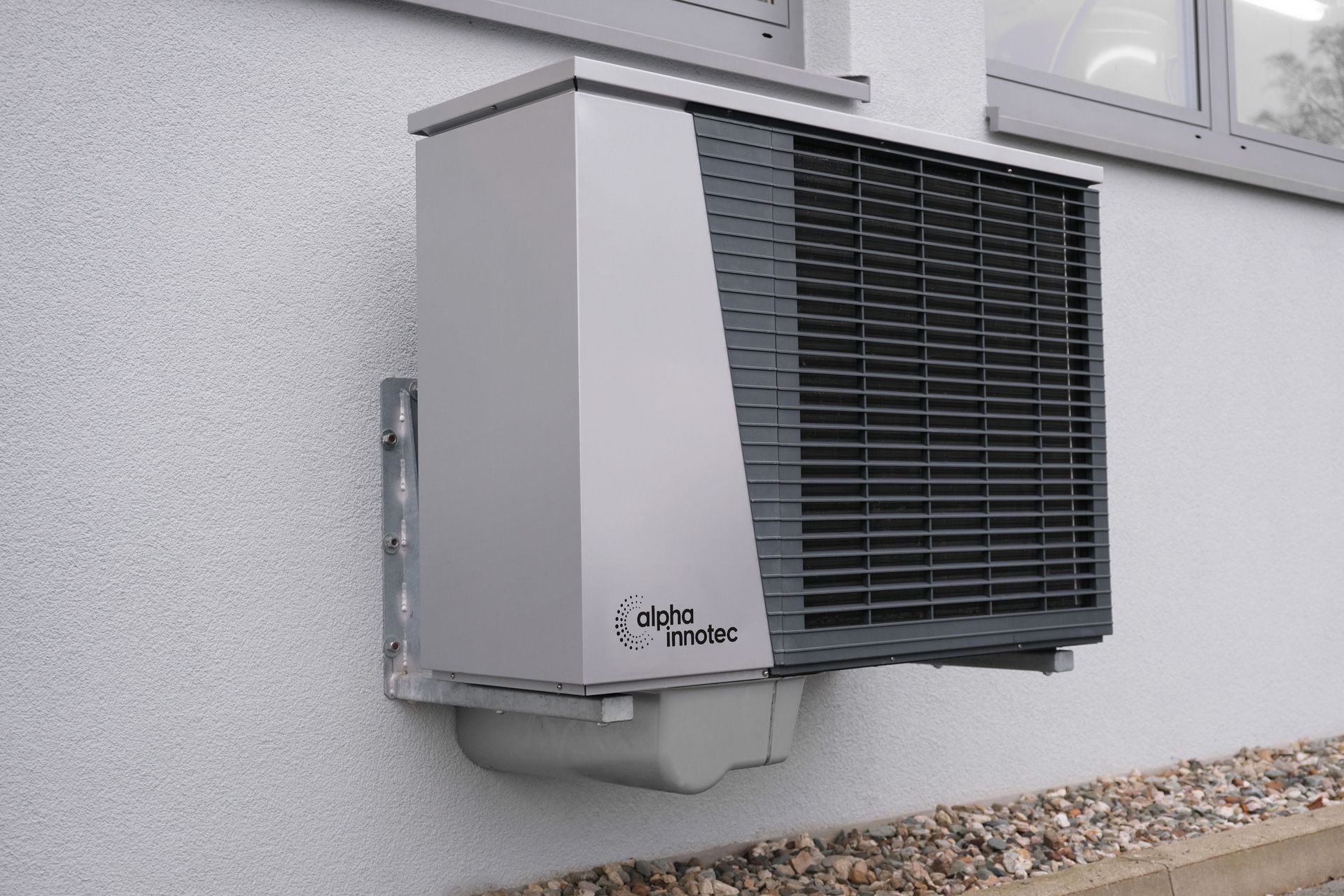
See why a Sacramento heat pump may release steam or pause its fan during defrost, what homeowners can check, and which warning signs need service.
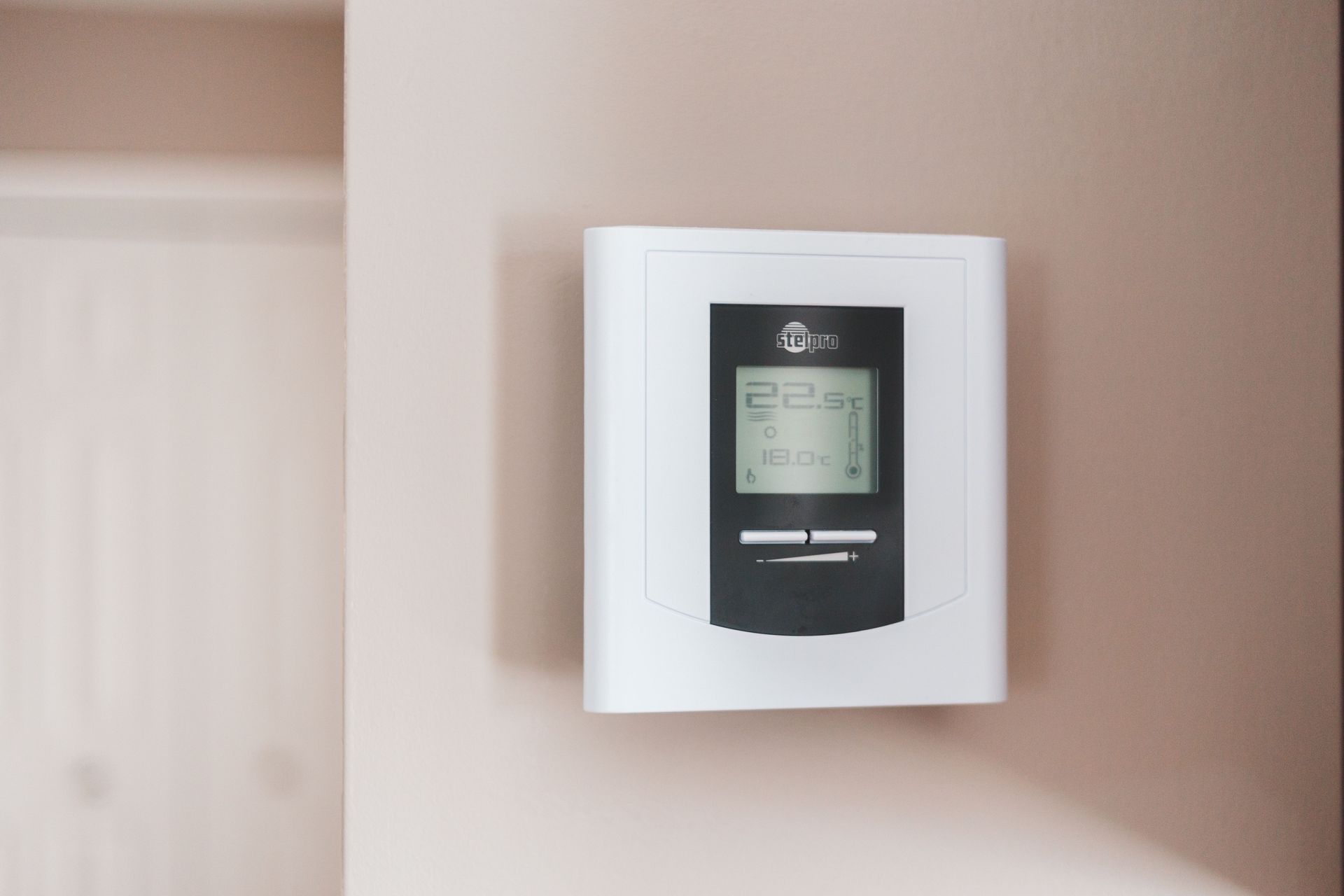
Learn which first-use furnace odors may be temporary, which require immediate action, and when Sacramento property owners should request HVAC service.
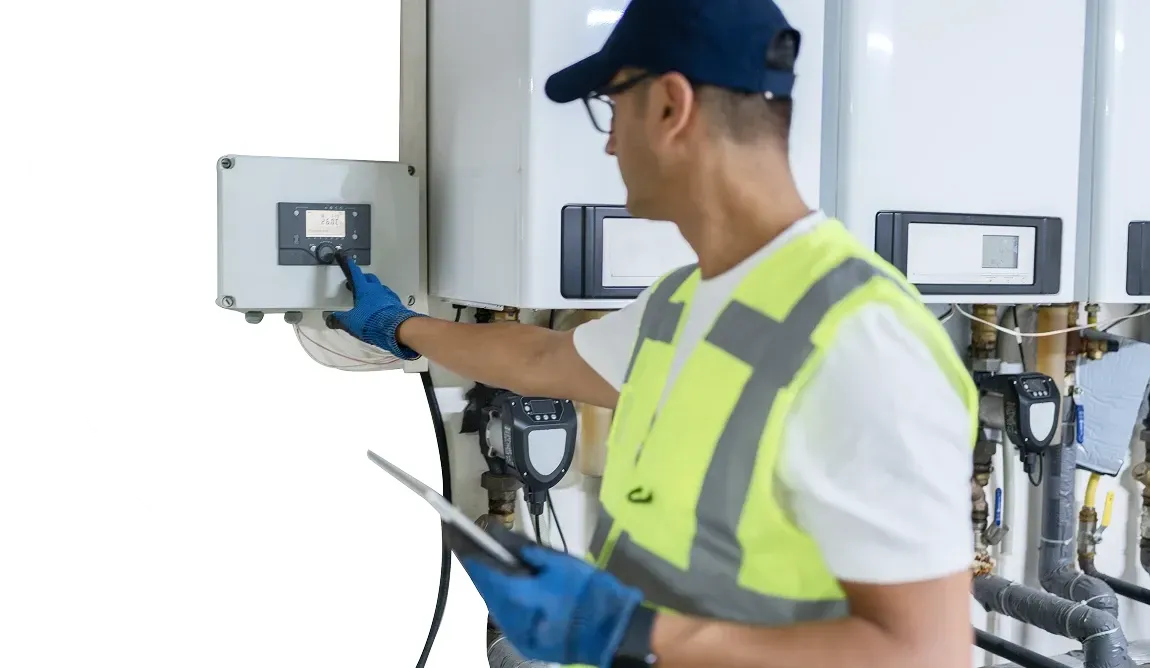
Found water near your Sacramento furnace? Learn safe first steps, possible sources, and when HVAC repair and water mitigation may both be needed.
Heat pump blowing cool air in Sacramento? Learn how defrost differs from a heating problem, what to check safely, and when to request service.
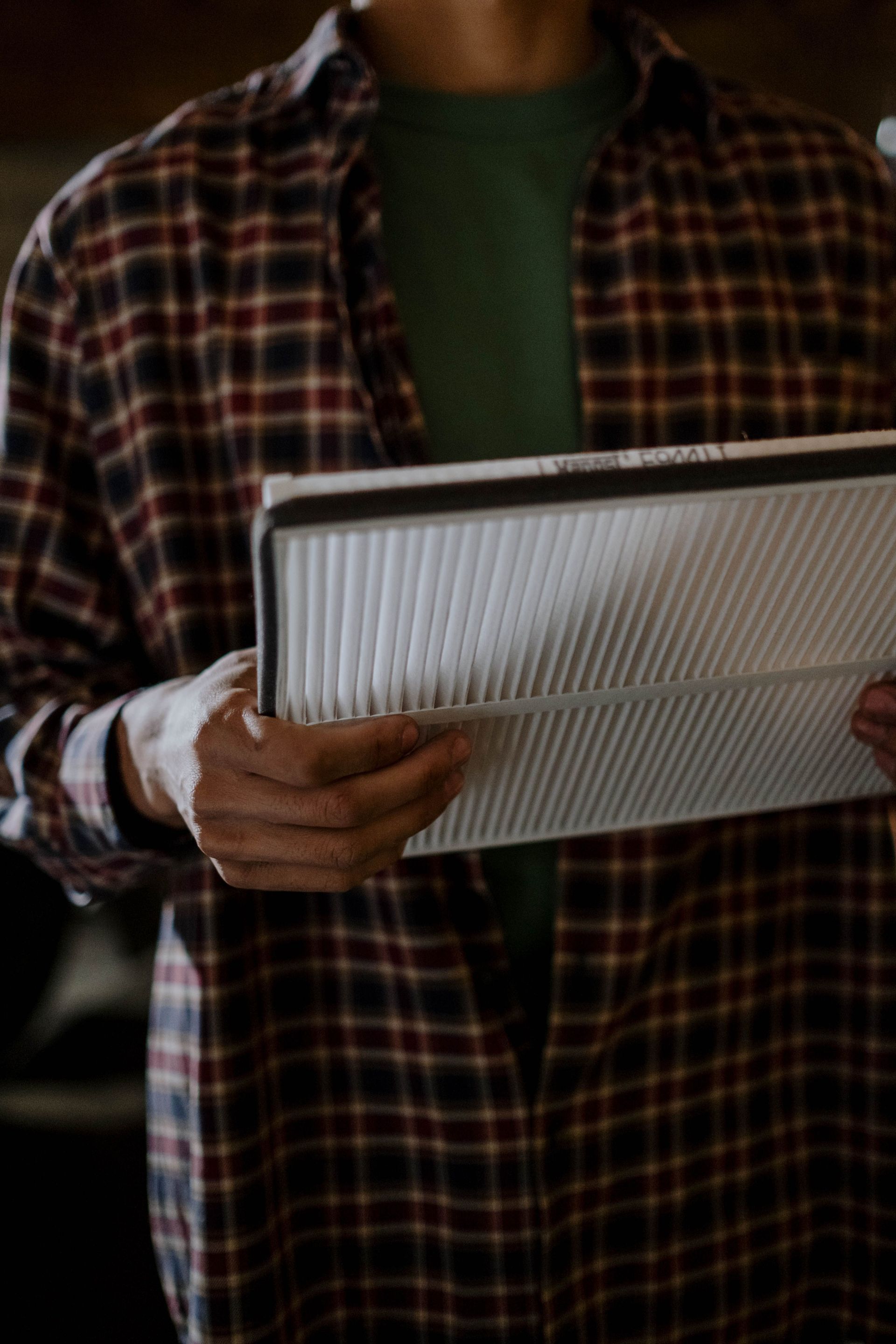
Buying a furnace filter for your Sacramento home? Learn how to check size, MERV compatibility, airflow direction, and when your filter needs replacement.
Heat in the morning, AC in the afternoon? Learn how thermostat modes, schedules, and fan settings can help Sacramento homes manage fall comfort.
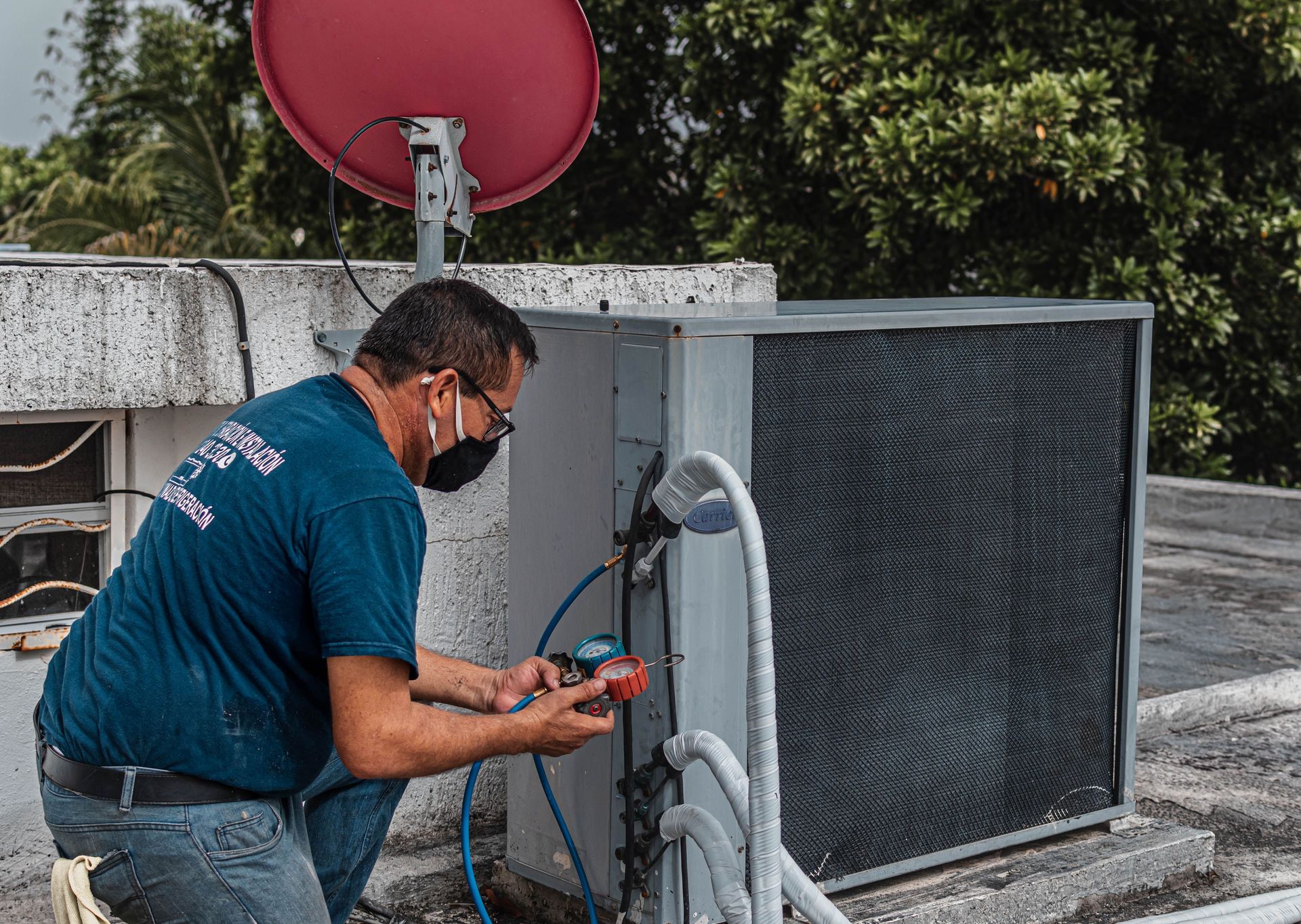
AC repair in Sacramento: learn common cooling symptoms, safe homeowner checks, what a thorough diagnosis includes, and how to weigh repair versus replacement.
Should you cover an outdoor AC unit during Sacramento’s rainy season? Learn what to check, why heat pumps are different, and how to prevent debris problems.
One Sacramento room hotter or colder than the rest? Learn what to check, what airflow problems may mean, and when to request HVAC diagnosis.
Planning a heat pump installation in Sacramento? Ask about sizing, ducts, electrical needs, written scope, and startup testing before choosing your system.