
(916) 390-0025






Why Does My Furnace Smell When I Turn It On in Sacramento?
Admin Capital City Comfort • October 24, 2026
Sacramento’s first cool nights often arrive after months of little or no heating use. When the thermostat finally switches from cooling to heating, property owners sometimes notice an odor from the vents. A faint dusty smell that disappears quickly can have a simple explanation. A persistent burning odor, electrical smell, visible smoke, or suspected gas leak needs a different response.
The safest approach is to pay attention to what the odor resembles, how long it lasts, where it is strongest, and whether the system is operating normally. An odor is a symptom, not a diagnosis. You should never rely on smell alone to decide that combustion equipment is safe.
Safety first: If you suspect a gas leak, leave without operating switches or the thermostat and call the gas utility or 911 from a safe location. If a carbon-monoxide alarm sounds, move everyone to fresh air and call 911. Do not re-enter until responders say it is safe.
A Brief Dusty Smell During the First Heating Cycle
Dust can settle on components and inside ductwork while a heating system is unused. When the equipment runs for the first time in the season, warmed dust may create a dry or dusty odor. If the smell is mild, decreases quickly, and is not accompanied by smoke, unusual noise, or system trouble, observe the system while it completes the cycle.
Before the next cycle, check the return-air filter. Replace it if it is visibly dirty or if it has reached the replacement interval stated by the filter or equipment manufacturer. Use the filter size and type intended for the system. A filter that is too restrictive can create an airflow problem even when it is new.
Stop the system and arrange an evaluation if the odor does not fade, becomes stronger, or returns on later cycles. A persistent smell should not be dismissed as “just dust.”
Burning Plastic or an Electrical Odor
An odor resembling melting plastic, hot wiring, or overheated electronics is not a normal first-use smell. It may involve a motor, wiring connection, control, overheated component, or an object near the equipment. The exact cause cannot be identified safely from the odor alone.
If no gas leak is suspected and it is safe to do so, turn the system off at the thermostat. Follow the emergency instructions in the owner’s manual. Do not repeatedly reset a tripped breaker, remove access panels, or continue running the system to see whether the odor disappears. If there is smoke, sparking, or an active fire, leave the property and call 911.
A Gas or Sulfur-Like Odor
If you suspect a natural-gas or propane leak, treat it as an emergency. Do not operate switches, thermostats, appliances, phones, vehicles, or anything that could create a spark inside the affected area. Leave the building, move to a safe location, and contact the gas utility or 911 using the utility’s emergency instructions.
Do not search for the leak or restart the furnace yourself. The gas utility can address an immediate gas-safety concern, and an HVAC professional can evaluate the heating equipment after the property is declared safe.
Musty or Damp Odors
A musty odor may come from a damp filter, condensate problem, dirty component, duct condition, or moisture elsewhere in the building. Sacramento homes can move from a long dry season into cooler and wetter conditions quickly, so the timing of an odor does not prove that the furnace caused it.
Check accessible areas for a wet filter, standing water, or an obvious plumbing or roof leak. Do not open sealed equipment compartments or disturb suspected microbial growth. Note whether the smell occurs only when the blower operates and whether it is strongest near one register or throughout the property. Those details can help narrow the inspection.
Carbon Monoxide Has No Warning Smell
Carbon monoxide is colorless and odorless. A furnace can have a combustion or venting problem without producing a smell that occupants recognize. Working carbon-monoxide alarms and professional inspection of fuel-burning equipment are important. Blocked, leaking, or damaged vents and flues can release combustion gases indoors.
Test carbon-monoxide alarms according to their instructions and replace alarms at the end of the manufacturer’s stated service life. If an alarm sounds—or anyone has symptoms that could be from carbon monoxide, such as headache, dizziness, weakness, nausea, confusion, chest pain, or unusual sleepiness—move everyone to fresh air immediately and call 911. Do not re-enter until emergency personnel say it is safe.
What to Check Before Requesting Furnace Service
When there is no gas leak, carbon-monoxide alarm, smoke, or other immediate hazard, you can gather useful information without attempting a repair:
- Stop using a system that produces a concerning odor. Safety comes before troubleshooting.
- Describe the smell in plain language. Dusty, electrical, plastic, smoky, musty, and gas-like odors point to different inspection priorities.
- Record when it starts and stops. Note whether it begins with the blower or the first cycle of the day without opening panels to observe components.
- Look at the accessible filter. Record its size, condition, and airflow-arrow direction.
- Look for water without opening equipment panels. Photograph unusual conditions only from a safe location.
- Report other symptoms. Weak airflow, short cycling, unusual noises, a tripped breaker, or rooms that do not warm are relevant.
This information helps a technician begin with the actual symptom instead of guessing. For a broader seasonal check, read our Sacramento furnace startup checklist.
When to Request Furnace Repair
Request professional service when the furnace will not start, shuts down repeatedly, produces weak or cool airflow, trips a breaker, makes a new mechanical noise, or continues producing an unusual odor. An inspection may include the electrical controls, blower operation, ignition sequence, safety switches, combustion venting, temperature rise, and airflow, depending on the equipment and reported symptoms.
Do not authorize replacement based only on an odor. The equipment’s condition, safety, repair history, age, sizing, and the scope of the needed repair should be evaluated together. Explore our furnace repair information for more about diagnosis and repair-or-replace decisions.
Frequently Asked Questions
Is a dusty furnace smell always normal?
No. A faint odor that appears during the first heating cycle and fades quickly may be dust warming on the equipment. A strong, persistent, worsening, smoky, electrical, plastic, or gas-like odor requires a more cautious response.
How long should a first-use heater smell last?
There is no universal safe time limit. The odor should decrease rather than intensify. Stop the system and request service if it remains strong, returns on later cycles, or appears with unusual noises, electrical trouble, or poor heating. Smoke, fire, suspected gas leaks, and carbon-monoxide alarms need emergency action.
Can a dirty filter create an odor?
A dirty or damp filter can contribute to airflow and odor complaints, but replacing it does not rule out another problem. Use the correct filter and arrange an inspection if the odor continues.
Can I smell carbon monoxide?
No. Carbon monoxide is odorless. Working alarms and proper inspection of fuel-burning equipment are essential.
Who should I call if I smell gas?
Leave the building and contact the gas utility or 911 from a safe location. Do not operate switches or equipment inside and do not re-enter until responders say it is safe.
Furnace Help for Sacramento-Area Properties
Capital City Comfort provides residential and commercial furnace and HVAC service throughout Sacramento and surrounding communities. Call (916) 390-0025 at any hour to describe the concern, equipment type, and property address so service availability can be confirmed. Availability depends on address, equipment, project type, and scheduling. For immediate gas, fire, or carbon-monoxide hazards, contact emergency responders first.
Explore our heating services and service areas, or request service online. Capital City Comfort Inc. — California contractor license #1071686.
Further Reading
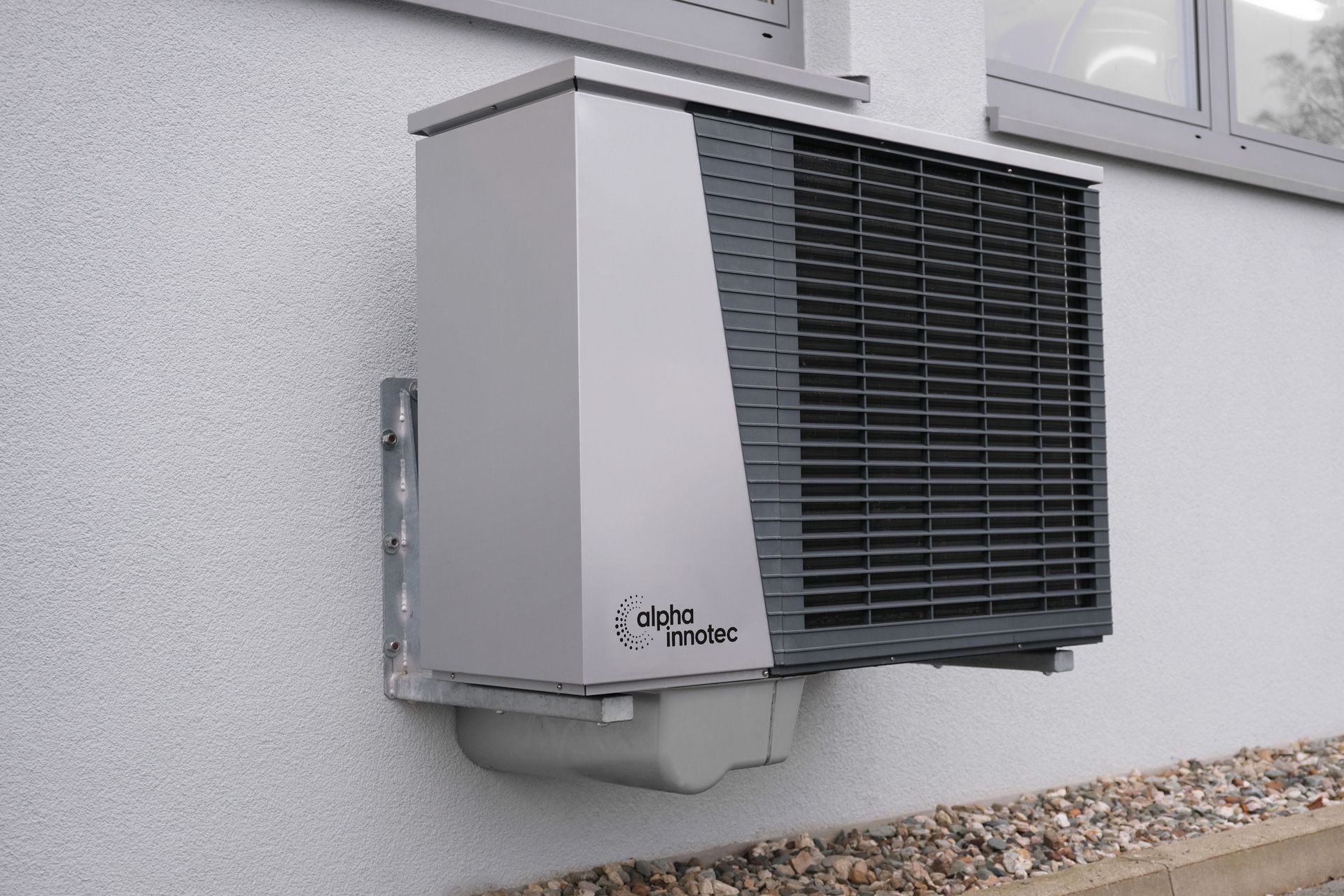
See why a Sacramento heat pump may release steam or pause its fan during defrost, what homeowners can check, and which warning signs need service.
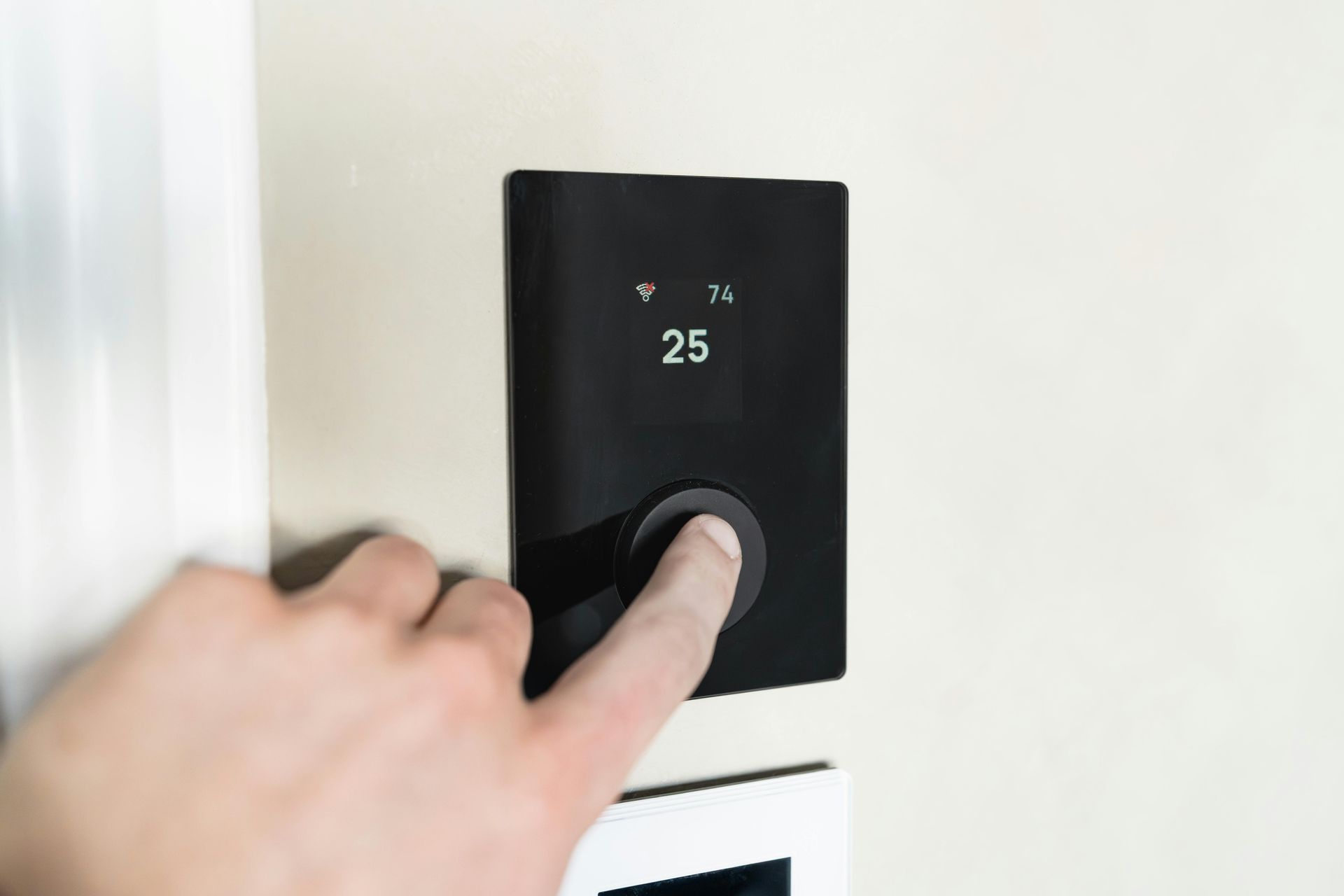
Start with a practical Sacramento winter thermostat setting, then adjust it for your comfort, schedule, furnace, or heat pump without common mistakes.
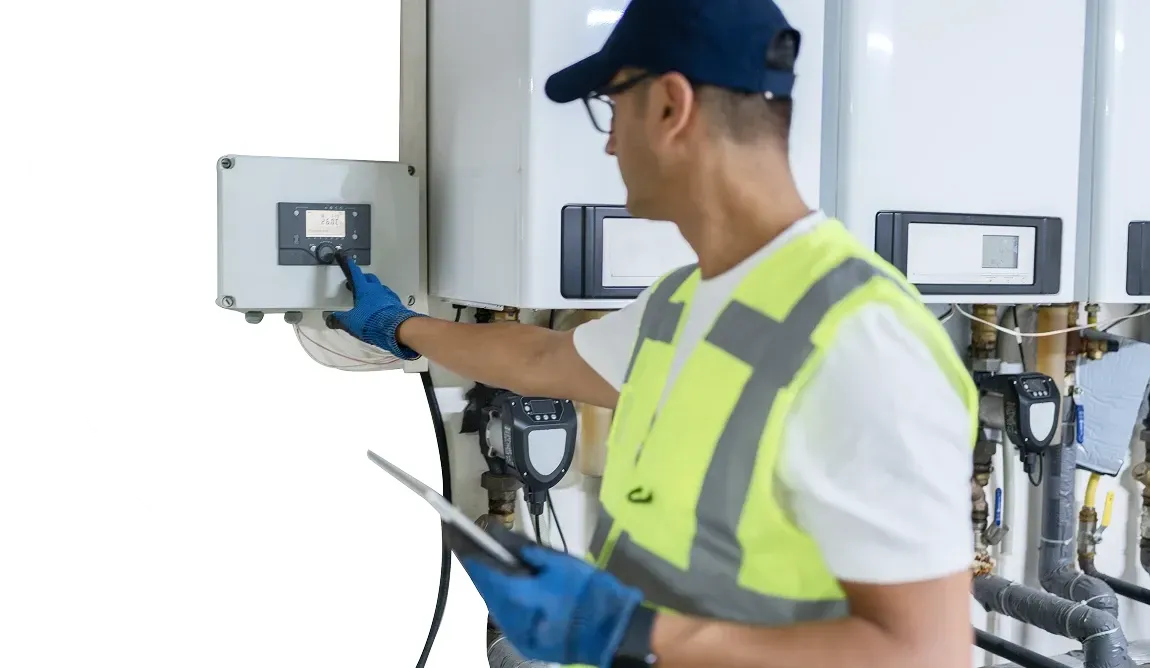
Found water near your Sacramento furnace? Learn safe first steps, possible sources, and when HVAC repair and water mitigation may both be needed.
Heat pump blowing cool air in Sacramento? Learn how defrost differs from a heating problem, what to check safely, and when to request service.

Buying a furnace filter for your Sacramento home? Learn how to check size, MERV compatibility, airflow direction, and when your filter needs replacement.
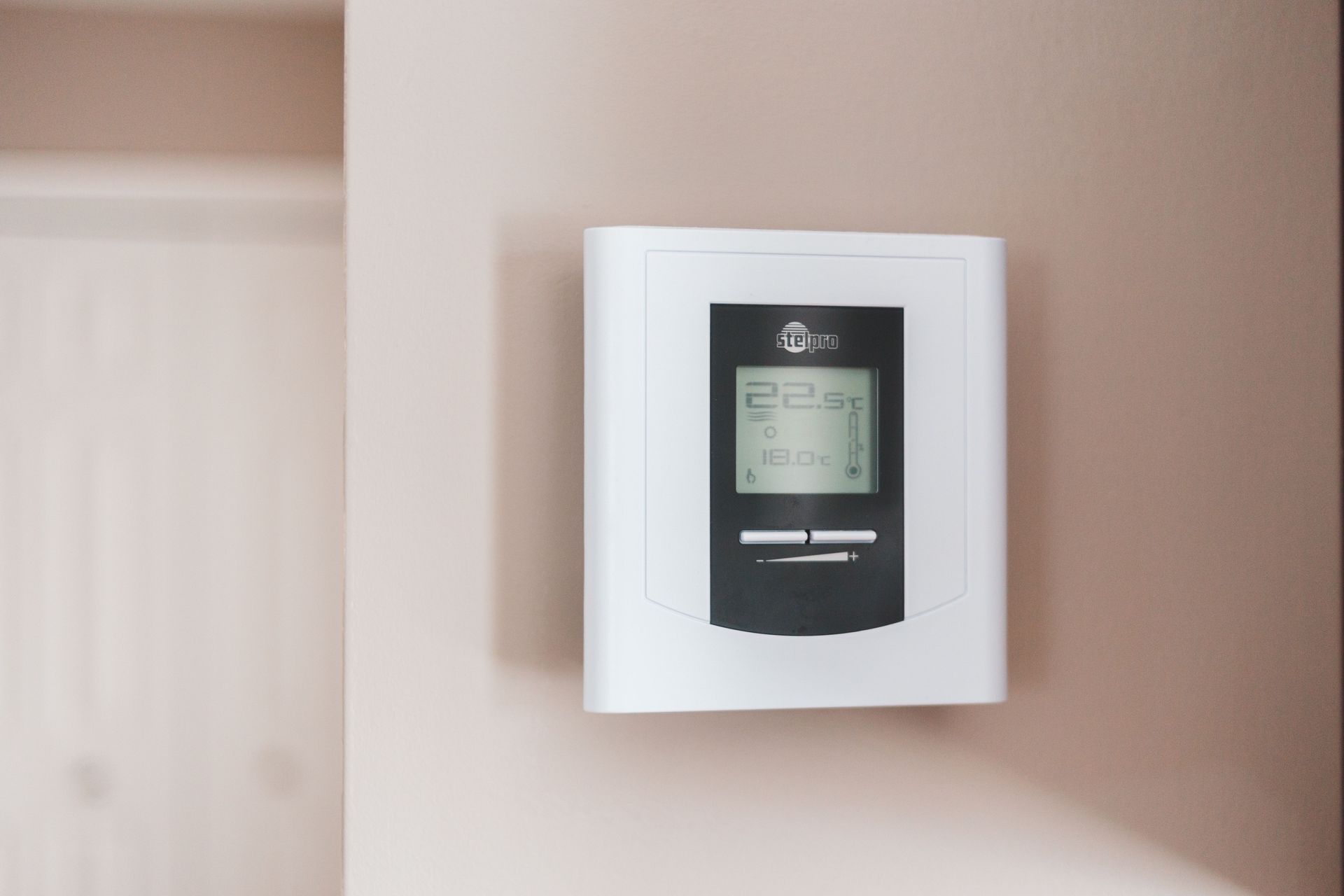
Heat in the morning, AC in the afternoon? Learn how thermostat modes, schedules, and fan settings can help Sacramento homes manage fall comfort.
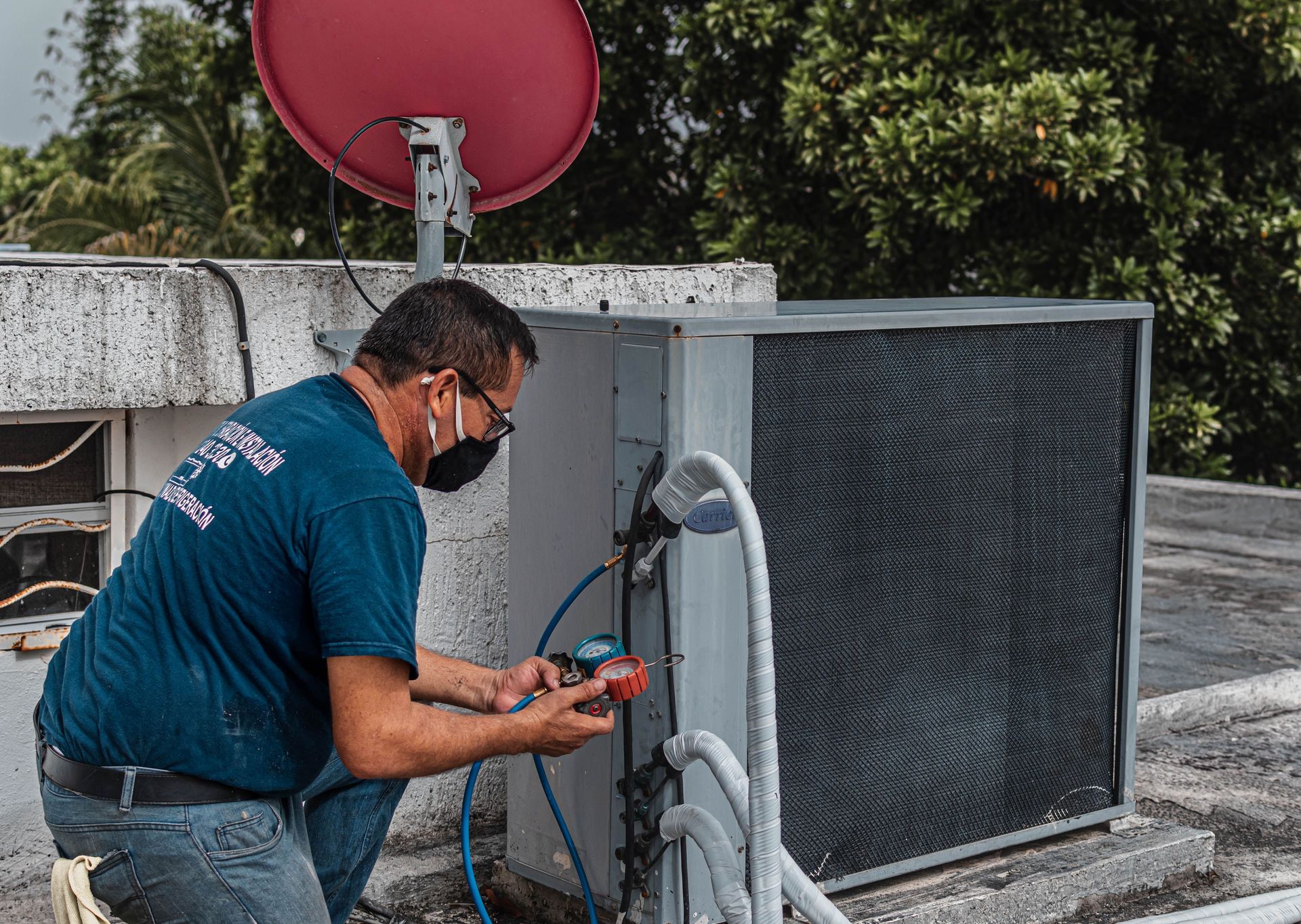
AC repair in Sacramento: learn common cooling symptoms, safe homeowner checks, what a thorough diagnosis includes, and how to weigh repair versus replacement.
Should you cover an outdoor AC unit during Sacramento’s rainy season? Learn what to check, why heat pumps are different, and how to prevent debris problems.
One Sacramento room hotter or colder than the rest? Learn what to check, what airflow problems may mean, and when to request HVAC diagnosis.
Planning a heat pump installation in Sacramento? Ask about sizing, ducts, electrical needs, written scope, and startup testing before choosing your system.