
(916) 390-0025





AC Running but Not Cooling? Common Sacramento Causes
Admin Capital City Comfort • September 18, 2026
Why Your Sacramento Air Conditioner May Run Without Cooling—and What to Check Next
When an air conditioner is running but the rooms still feel warm, the symptom does not point to just one cause. Sacramento heat can make a developing problem more noticeable, but a clear diagnosis should come before replacing parts or recommending new equipment.
Start with safe, simple checks
Before scheduling service, confirm that the thermostat is set to cooling and that the temperature setting is below the current indoor temperature. Check whether the air filter is heavily loaded with dust and make sure supply registers are open and not blocked by furniture. If a breaker has tripped, avoid repeatedly resetting it; recurring electrical interruptions need professional diagnosis.
Common reasons an AC runs without cooling
Restricted airflow
A dirty filter, blocked return, blower issue, or airflow restriction can reduce the amount of conditioned air reaching the home. Weak airflow at several registers is an important clue for the technician.
Outdoor-unit problems
The indoor fan may run even when the outdoor equipment is not operating correctly. Electrical controls, capacitors, motors, wiring, and other components require proper testing rather than guesswork.
Refrigerant or coil concerns
Low refrigerant is not corrected by adding refrigerant without finding the reason. A technician should evaluate operating conditions, look for evidence of leakage, and determine whether the coils and refrigerant circuit are performing correctly.
Thermostat or control issues
A thermostat can display a cooling call while a control, sensor, connection, or equipment setting prevents normal operation. Diagnosis should include the complete sequence of operation.
Condensate drainage problems
Some systems stop cooling when a drain safety switch detects backed-up water. A clogged drain can also create a risk of water damage. If you see water around the indoor equipment, shut the system off when it is safe to do so and request professional help.
When to request AC repair
Call for service when the system blows warm air, airflow is weak, the outdoor equipment is not running, breakers trip, ice appears on the refrigerant lines, water collects around the indoor unit, or the equipment starts and stops repeatedly. Burning odors, smoke, or unusual electrical sounds require immediate attention and should not be treated as a do-it-yourself repair.
Repair or replacement?
A warm house does not automatically mean the system needs replacement. The decision should consider the diagnosis, equipment condition, repair history, comfort problems, system sizing, and the cost and availability of needed components. Capital City Comfort can explain the findings so the property owner can compare repair and replacement options without relying on a single symptom.
How to prepare for the service visit
- Note when the problem started and whether it is constant or intermittent.
- Record any thermostat messages, unusual sounds, odors, water, or ice.
- Make the indoor and outdoor equipment safely accessible.
- Share recent repair and maintenance history when available.
Ac help in Sacramento and surrounding communities
Capital City Comfort provides residential and commercial HVAC diagnosis, repair, maintenance, installation, and replacement throughout its listed service area. Visit the AC Repair, HVAC Maintenance, or Schedule Service pages on CapitalCityComfort.com. Call (916) 390-0025 to confirm service for your address. California contractor license #1071686.
Frequently asked questions
Why is my AC running but blowing warm air?
Possible causes include thermostat or control problems, restricted airflow, outdoor-unit failure, refrigerant-circuit issues, or a safety switch. Testing is the reliable way to identify the cause.
Should I turn off an AC that is not cooling?
If you see ice, water, smoke, smell burning, or hear an unusual electrical sound, turn the equipment off when it is safe and request service. Otherwise, a technician can advise you based on the specific symptoms.
Does weak airflow always mean the air conditioner is failing?
No. Weak airflow can come from a filter, return-air restriction, duct issue, blower problem, or other cause. The entire airflow path should be evaluated.
Describe the Cooling Problem in a Way That Helps Diagnosis
“The AC is running” can describe several different observations. You may hear the indoor fan, see a thermostat cooling symbol, or hear outdoor equipment. Those observations do not necessarily mean every part of the system is operating normally. Tell the service company exactly what you notice rather than assuming which component is working or failing.
Separate airflow from temperature
Notice whether air is moving from accessible registers and whether the concern is weak airflow, air that feels warmer than expected, or both. Identify whether it affects every room or only part of the property. You do not need to take technical measurements or remove grilles to describe the difference.
If one room has always been warmer, mention that history separately from a sudden loss of cooling. A longstanding room-comfort issue and a new equipment fault may require different attention. Keeping them separate helps the technician understand which change prompted the call and which concerns you also want discussed.
Record when the problem occurs
Write down whether cooling is poor all day, only during the afternoon, or after the system has operated for a while. Note whether the equipment stops and restarts or runs continuously. If the behavior changed suddenly, record the approximate date and any recent work or power interruption.
Timing is useful context, but it does not prove the cause. Hot weather can make a limitation more noticeable without identifying the failed part. Avoid repeatedly changing settings to test different guesses. A clear account of the original behavior can be more helpful than a long series of undocumented adjustments.
Explain what has already changed
Tell the company if you recently replaced a filter, changed thermostat settings, installed new controls, or had another service visit. Include the product or service information if readily available. The sequence can help focus the evaluation even when the recent change turns out to be unrelated.
If someone else adjusted the equipment, ask what was done and share that information accurately. Do not reverse unfamiliar wiring or internal settings yourself. The technician should know what is known, what is uncertain, and what has already been attempted.
Use safe observations only
Stay with accessible controls and areas you can view without opening equipment or entering a hazardous space. If you notice water, ice, unusual sounds, or an odor, describe the location and timing. Do not touch electrical components, handle refrigerant parts, or try to force equipment past a safety shutdown.
If the situation presents an immediate danger, follow the appropriate emergency response rather than continuing an HVAC checklist. For ordinary service needs, call and describe the symptoms so the company can discuss the appropriate next step and scheduling.
What the Service Conversation Should Clarify
The type of appointment
A routine tune-up and a diagnostic visit have different goals. If the AC is already failing to cool, say so when booking. Ask what the diagnostic service covers and how a repair recommendation will be presented. This helps avoid expecting a standard maintenance appointment to include every possible repair.
For several systems at one property, identify the affected unit or area. If you are unsure which equipment serves the room, describe the layout and ask how to prepare. Mention any roof, attic, or locked-area access so the visit can be planned appropriately.
The findings and their limits
Ask what testing showed and how the findings relate to the symptoms. If the problem is intermittent, ask whether the cause was confirmed or whether more observation is needed. A useful explanation distinguishes the diagnosed fault from other conditions that may deserve attention.
Some recommendations may address the immediate interruption while others concern maintenance or a separate comfort issue. Ask which work is necessary to restore the affected function, which is optional, and what remains uncertain. Keep those distinctions in the written estimate.
The repair scope
Review the proposed parts or work, the price, any related tasks, and applicable warranty terms. Ask what happens if additional concerns are found. Capital City Comfort uses flat-rate, upfront pricing with no hourly fee, so you can understand the proposed work before deciding whether to proceed.
Do not assume that replacing one component guarantees the life of every other part. Ask about the condition of the remaining system and whether there are known issues outside the repair scope. That information can help with future planning even when repair is the immediate choice.
Common Follow-Up Questions
Why does the fan keep running if cooling has stopped?
Air movement and cooling production are different parts of the system's operation. The observation does not identify a specific failed component. Tell the technician whether airflow continues, whether the thermostat still calls for cooling, and what you notice at the outdoor equipment from a safe location. Testing is needed to establish the cause.
Does the system automatically need more refrigerant?
No. Warm rooms alone do not establish a refrigerant problem. The equipment needs evaluation before refrigerant-related work is proposed. If such a problem is diagnosed, ask what caused it, what repair is recommended, and how the scope addresses the condition rather than treating an unexplained addition as routine upkeep.
Will a larger air conditioner fix the problem?
Not necessarily. Capacity should reflect the building's needs, and poor cooling may involve controls, airflow, ducts, maintenance, or equipment condition. If replacement is discussed, ask how sizing will be determined and what other factors need assessment. A larger equipment label is not a substitute for understanding the current concern.
What if the system works when the technician arrives?
Share the timing, symptoms, and any accessible error message you recorded. Explain how often it happens and what changed before normal operation returned. The absence of a symptom at that moment does not make your observation unimportant, but it may affect which conclusions can be confirmed during the visit.
Should I compare repair with replacement?
It can be useful when a major failure, repeated repairs, unavailable components, or a broader performance concern is identified. Compare the diagnosed repair with a complete installed replacement scope. Review our AC replacement guide for the property, compatibility, and estimate questions involved.
After Cooling Is Restored
Keep the completed service description and ask what normal operation should look like. Note any follow-up recommendations and the appropriate care instructions for your equipment. If a symptom returns or a different one develops, record the timing and contact the company with the new information.
If a particular room remains uncomfortable, report that separately from the repaired failure. It may call for an airflow or building assessment rather than repeating the same component repair. Clear records help the next conversation start from what was already completed.
To request help, call (916) 390-0025 or schedule service. Include the property address, affected area, main symptoms, and any access restrictions. You can also review AC Repair Sacramento for more detail about the service process.

Buying a furnace filter for your Sacramento home? Learn how to check size, MERV compatibility, airflow direction, and when your filter needs replacement.
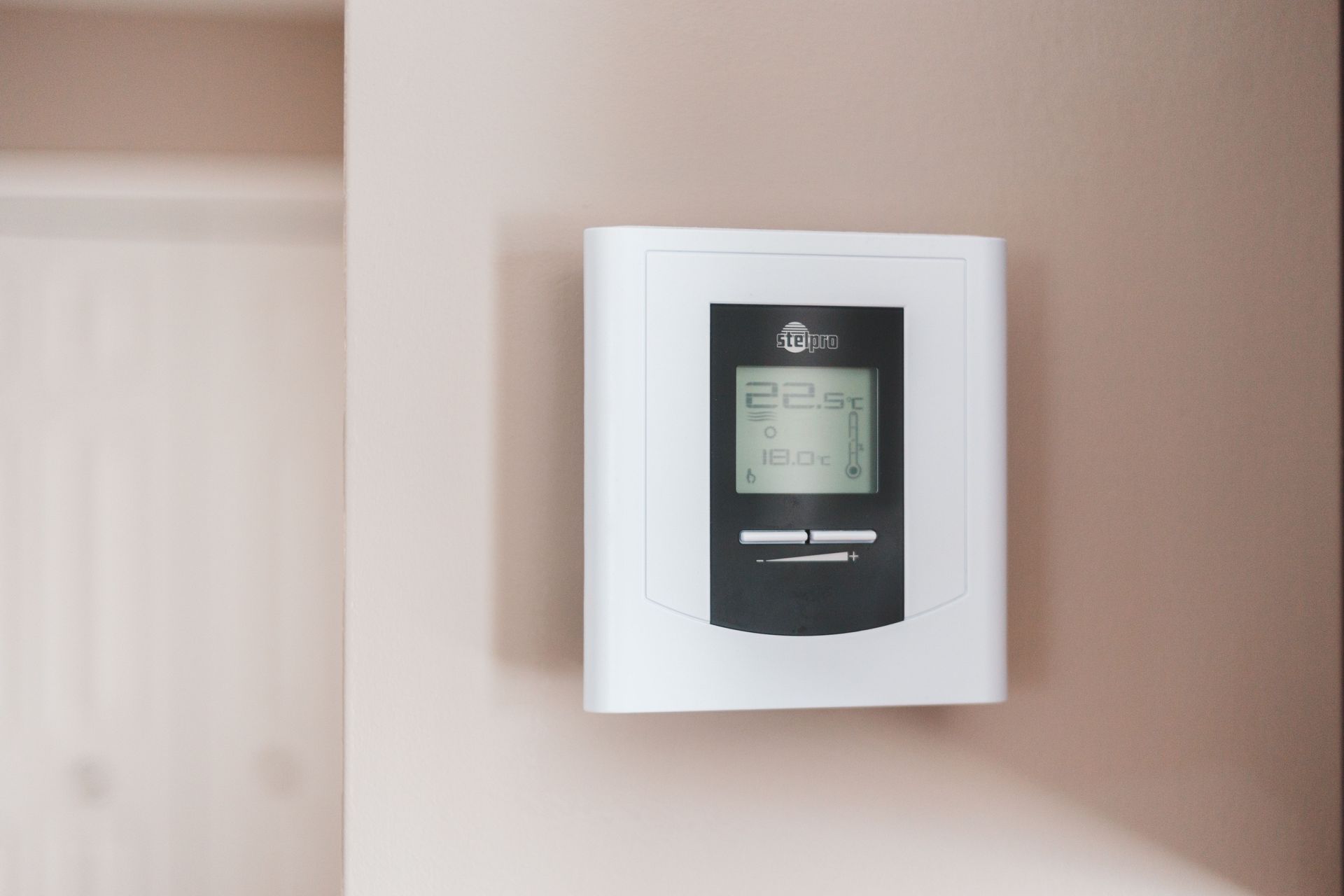
Heat in the morning, AC in the afternoon? Learn how thermostat modes, schedules, and fan settings can help Sacramento homes manage fall comfort.
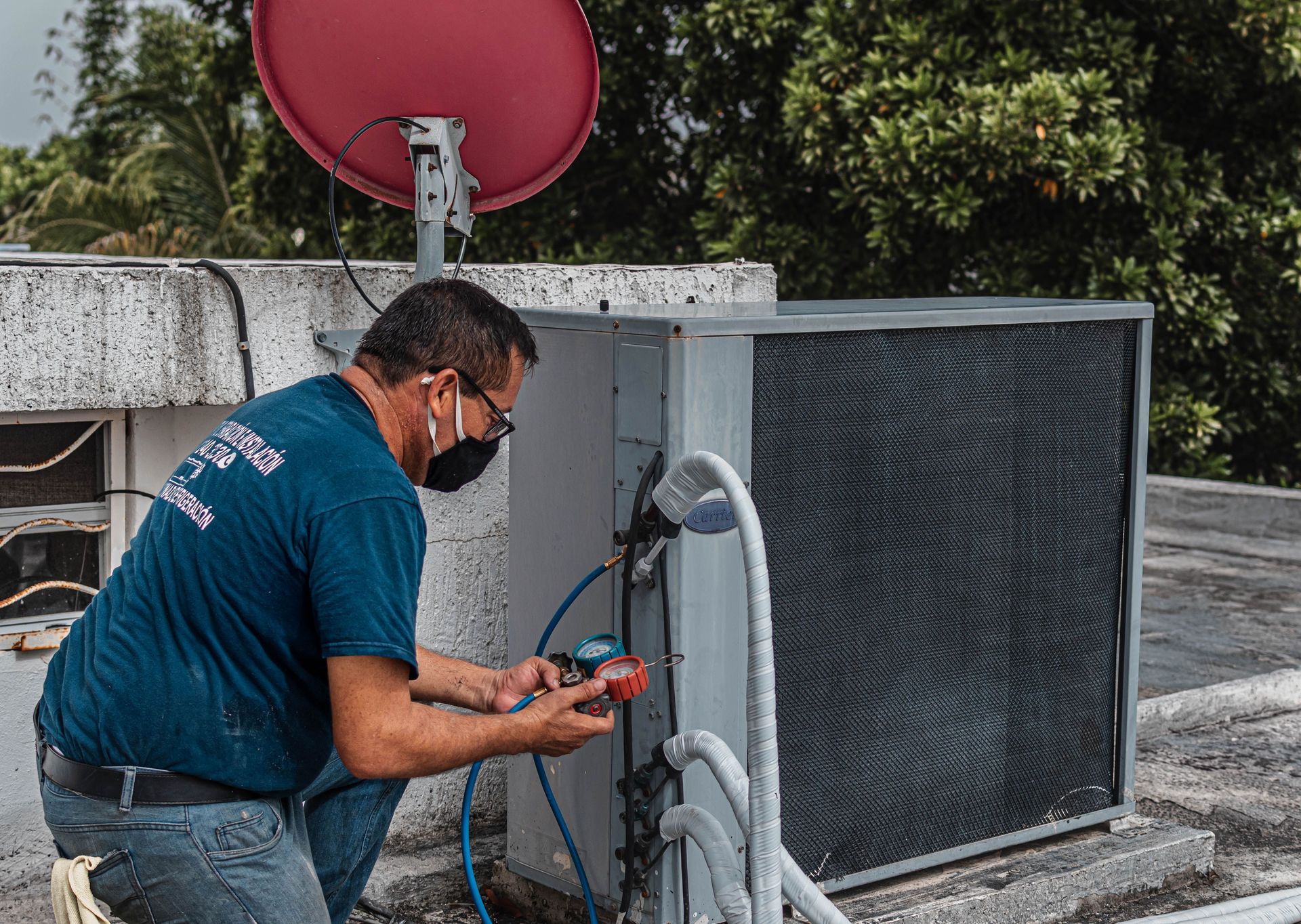
AC repair in Sacramento: learn common cooling symptoms, safe homeowner checks, what a thorough diagnosis includes, and how to weigh repair versus replacement.
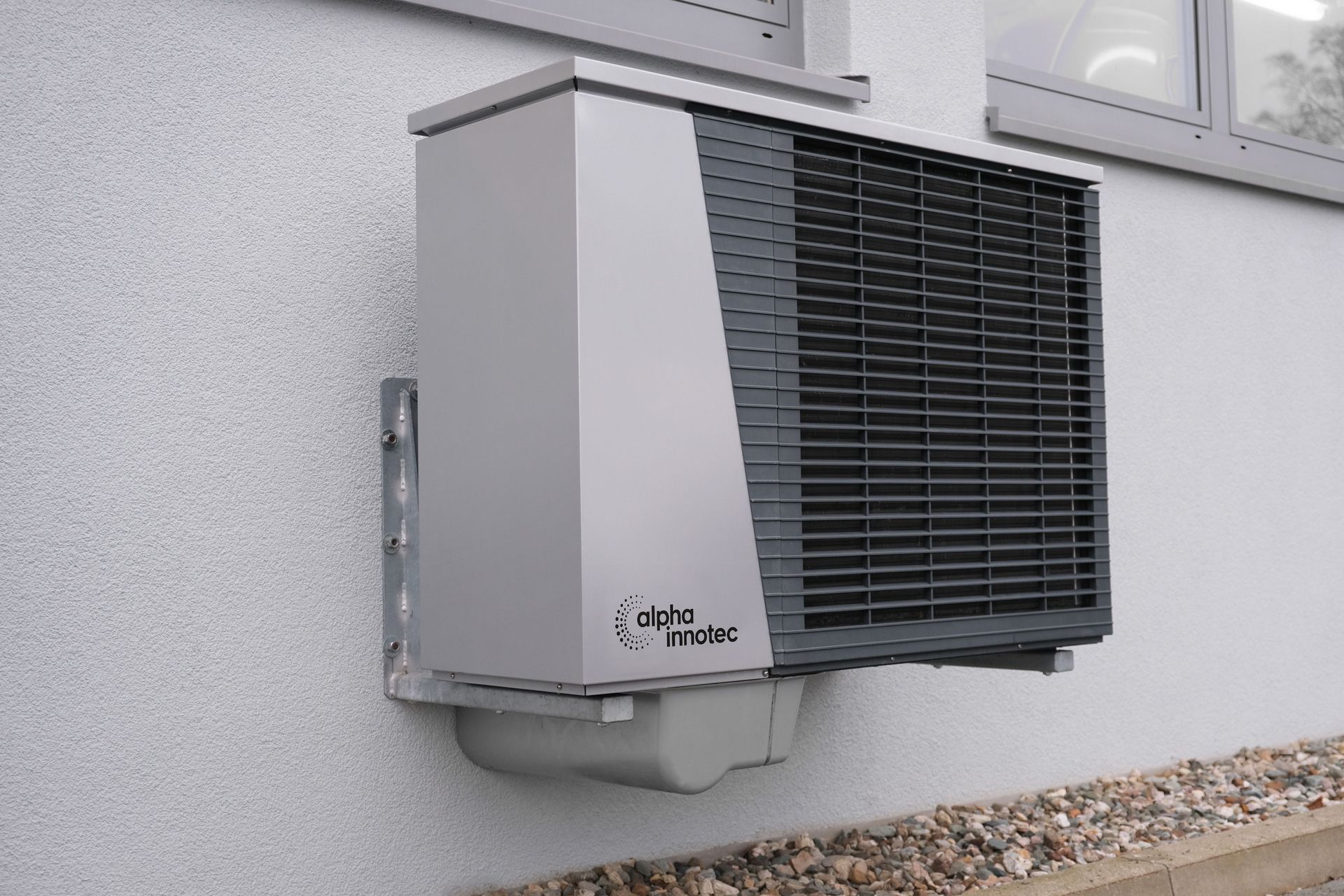
Should you cover an outdoor AC unit during Sacramento’s rainy season? Learn what to check, why heat pumps are different, and how to prevent debris problems.
One Sacramento room hotter or colder than the rest? Learn what to check, what airflow problems may mean, and when to request HVAC diagnosis.
Planning a heat pump installation in Sacramento? Ask about sizing, ducts, electrical needs, written scope, and startup testing before choosing your system.
Should you run your AC during wildfire smoke in Sacramento? Learn about compatible filters, recirculation settings, cleaner-air rooms, and when to get help.
Learn when duct cleaning may be appropriate, what an inspection should cover, and how dust, airflow, pests, or moisture affect Sacramento duct systems.
Use this Sacramento furnace startup checklist to identify airflow, thermostat, noise, odor, and heating concerns before colder weather arrives.
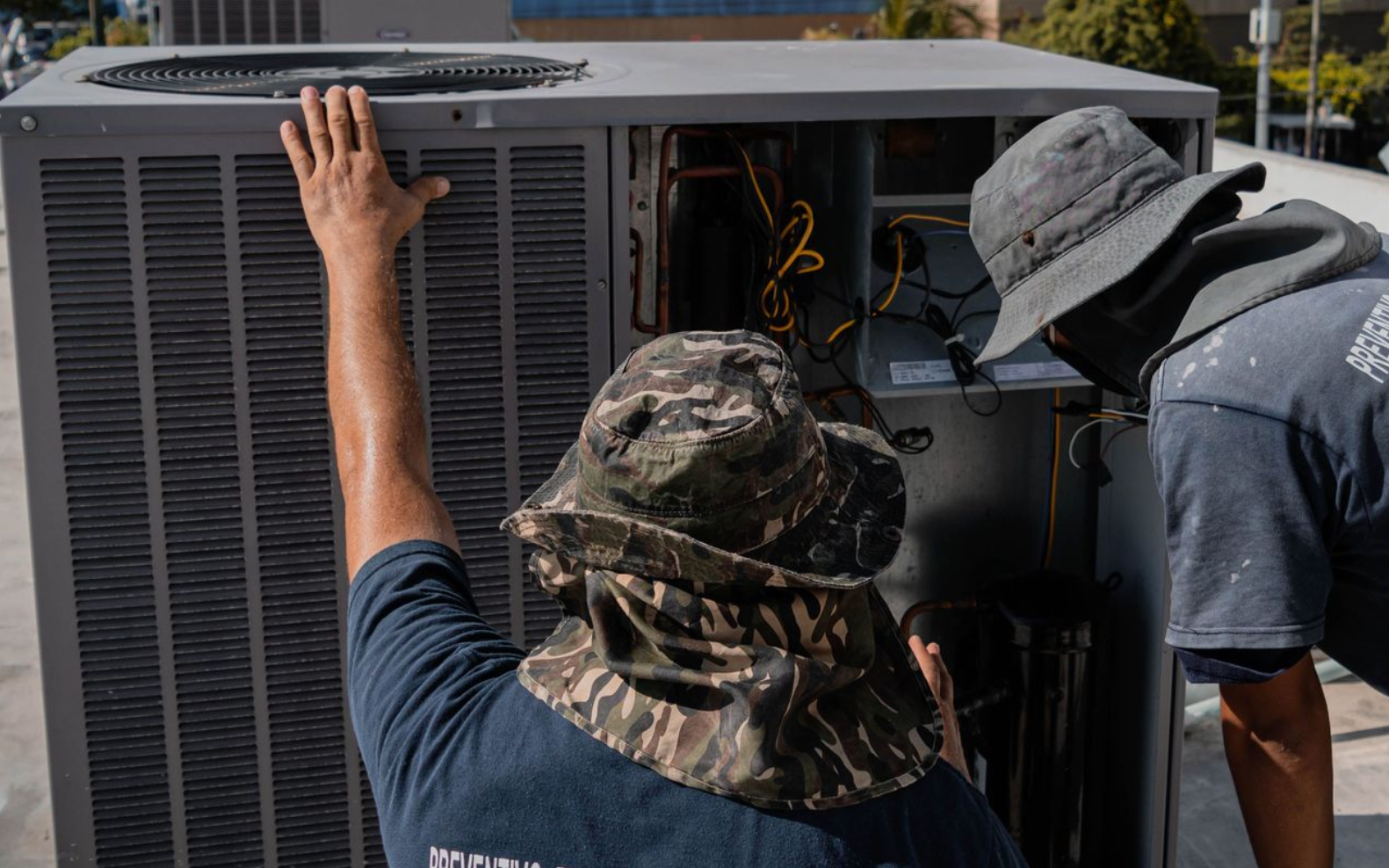
Compare AC repair and replacement factors for Sacramento homes, including diagnosis, repair history, comfort, sizing, and equipment condition.